A Natural Solution for California's Herds: African Catfish Peptides

California's cattle producers and agricultural communities are all too familiar with the rising challenge of antibiotic resistance, making common bacterial infections harder to treat in livestock. But imagine a future where we could tackle these infections with a natural, powerful alternative. Our research points to just that: antimicrobial peptides (AMPs) found in African catfish.

We're really excited about these peptides because African catfish thrive in pathogen-rich freshwater, naturally producing these robust immune compounds in their skin mucus as a defense. This natural origin makes them highly appealing alternatives to synthetic drugs.

Predicted Safety and Potent Action

One of the most compelling aspects of these AMPs is their predicted safety for mammals. Our initial computer analyses suggest that various catfish AMPs are generally recognized as safe (GRAS). We predict they'll be absorbed in the human intestine without causing liver, brain, or heart toxicity. Furthermore, lab tests on a promising peptide, NACAP-II, confirmed it was non-hemolytic, meaning it didn't damage rabbit red blood cells—a strong indicator of its potential safety for mammalian cells.

Beyond safety, these peptides demonstrate effectiveness against problematic bacteria. One study revealed NACAP-II's strong activity against Extended-Spectrum Beta-Lactamase (ESBL)-producing Escherichia coli—a critical concern for both animal and human health due to its resistance to many common antibiotics. Another peptide, ACAP-IV, also showed antibacterial activity against E. coli and Staphylococcus aureus. We believe these AMPs work by directly disrupting bacterial cell membranes, a mechanism that makes it harder for bacteria to develop resistance compared to how they resist traditional antibiotics.
UC Cooperative Extension Sonoma County: Page

UCCE Sonoma County Programs

New to Sonoma County Agriculture?Start HERE! Click on any of our programs to find out more information: 4-Hpromotes hands-on, experiential learning for youth ages 5-18 Climate Smart Agricultureassistance with project needs and guidance for local farmers and ranchers throughout their grant term…
View Page
Primary Image
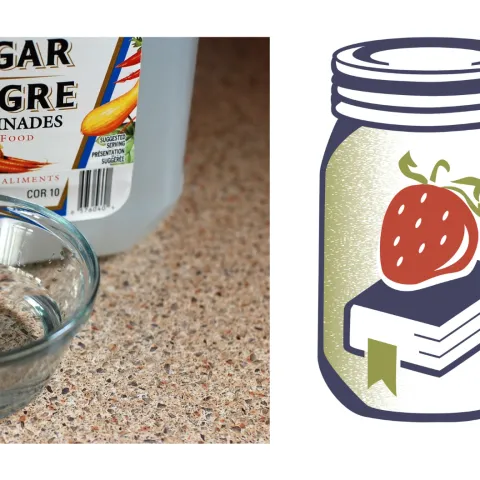
commercial vinegar bottle says 5% acidity
UC Master Food Preservers of Central Sierra: Article

Central Sierra: About That Vinegar—Read The Label! (EDC MFP)

March 20, 2025
By Robin E Martin
Preserve It! Beware (and be aware) of vinegar with low acidity on store shelves  by UCCE Master Food Preserver Laurie Lewis  There’s a concern that, in the past few years, we have been seeing white vinegar with 4-percent acidity on store shelves. All our tested, safe recipes for home food…
View Article
Primary Image
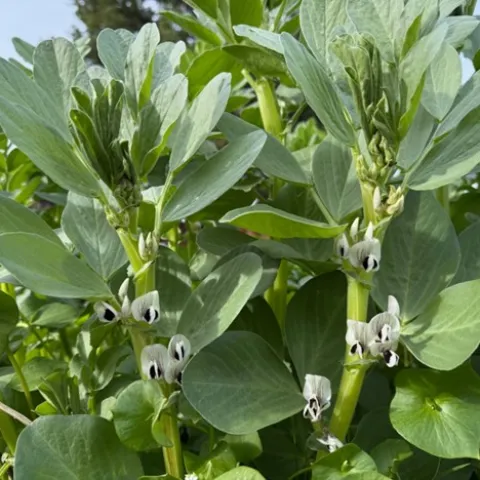
flowering fava bean plants
HOrT COCO-UC Master Gardener Program of Contra Costa: Article

When to Cut Cover Crops

March 20, 2025
By Help Desk Team
  Many of us have planted winter cover crops in our gardens to enrich the soil. Fava beans, winter peas, vetch, and other legumes can do a great job of adding nitrogen to our soils. With a symbiotic relationship with special microorganisms, legumes can take nitrogen in our air and put it into…
View Article
Primary Image
Desert marigold thriving in the Wildlife Habitat Garden at the Master Gardeners Demonstration Garden at Patrick Ranch. Laura Kling
The Real Dirt: Article

Wildlife-Friendly Garden

March 19, 2025
By Jeanette Alosi
At this time of year many gardeners reflect upon what worked in the garden over the past year, plan changes to implement in the coming months, and consider new plants to introduce. This Spring, why not begin planning a more wildlife-friendly garden?  You can encourage birds, butterflies, lizards, frogs and a…
View Article
UC Cooperative Extension Napa County: Page

4-H Short-Term Programs

About 4-H Short-Term Programs4-H short-term programs are topic specific programs led by 4-H staff or volunteers. Youth participate in a self-chosen project learning experience that allows them to experience a 4-H project in a topic area that interests them. These programs are a minimum of six hours in length…
View Page
UCCE in Santa Barbara County: Event

May Garden Talk: Composting

Event Date
May 5, 2025

   Join Master Gardener Janet Rogers to learn how to create your own Homemade Compost.
UCCE in Santa Barbara County
View Event
4-H San Luis Obispo County : Page

County Ambassador Program

  A County Ambassador is the representative and champion of the county 4-H program. While no two County Ambassador programs are identical, they follow the same guidelines, provide similar opportunities, and have the same learning goals.All County Ambassadors are highly encouraged to…
View Page
4-H San Luis Obispo County : Page

SLO County Horse Project

SLO County Riders 4-H SPIN Club The San Luis Obispo County 4-H Horse Project brings together youth from across the county to learn, grow, and thrive through hands-on experience with horses. Open to members of all riding levels and disciplines, this project focuses on horsemanship, safety, horse care,…
View Page
Article

float image and text

March 19, 2025
By Stephen Dampier
   Lorem ipsum  sit amet,adipiscing elit. Curabitur sodales risus vitae lectus hendrerit lacinia. Mauris dictum nulla et mauris vulputate, vitae feugiat dolor posuere. Sed vitae maximus risus. Aenean elementum risus vel bibendum consequat. Lorem ipsum dolor sit amet, consectetur…
View Article