A Natural Solution for California's Herds: African Catfish Peptides

California's cattle producers and agricultural communities are all too familiar with the rising challenge of antibiotic resistance, making common bacterial infections harder to treat in livestock. But imagine a future where we could tackle these infections with a natural, powerful alternative. Our research points to just that: antimicrobial peptides (AMPs) found in African catfish.

We're really excited about these peptides because African catfish thrive in pathogen-rich freshwater, naturally producing these robust immune compounds in their skin mucus as a defense. This natural origin makes them highly appealing alternatives to synthetic drugs.

Predicted Safety and Potent Action

One of the most compelling aspects of these AMPs is their predicted safety for mammals. Our initial computer analyses suggest that various catfish AMPs are generally recognized as safe (GRAS). We predict they'll be absorbed in the human intestine without causing liver, brain, or heart toxicity. Furthermore, lab tests on a promising peptide, NACAP-II, confirmed it was non-hemolytic, meaning it didn't damage rabbit red blood cells—a strong indicator of its potential safety for mammalian cells.

Beyond safety, these peptides demonstrate effectiveness against problematic bacteria. One study revealed NACAP-II's strong activity against Extended-Spectrum Beta-Lactamase (ESBL)-producing Escherichia coli—a critical concern for both animal and human health due to its resistance to many common antibiotics. Another peptide, ACAP-IV, also showed antibacterial activity against E. coli and Staphylococcus aureus. We believe these AMPs work by directly disrupting bacterial cell membranes, a mechanism that makes it harder for bacteria to develop resistance compared to how they resist traditional antibiotics.
UC Master Gardener Program of Riverside County: Event

"Meet the New Luna Avocado" Workshop at RCRCD

Event Date
May 3, 2025

 Free "Meet the New Luna Avocado" Workshop at RCRCDThis workshop, presented by Eric Fogt from the University of California Riverside, will focus on the new Luna avocado, one of Time Magazine’s Best Inventions of 2023, and currently only available to commercial growers. The workshop will also explore how…
UC Master Gardener Program of Riverside County
View Event
UC Master Gardener Program of Riverside County: Event

"Right Tree- Right Space" Workshop at RCRCD

Event Date
Apr 5, 2025

 Free "Right Tree, Right Space" Workshop at RCRCDLearn how to select the right fruit tree for your space, as well as how to maintain a backyard orchard. This workshop will be presented by Riverside County Master Gardener Kathy Swanson and Jake Vogenberg, Permaculture Design Course instructors. This…
UC Master Gardener Program of Riverside County
View Event
Primary Image
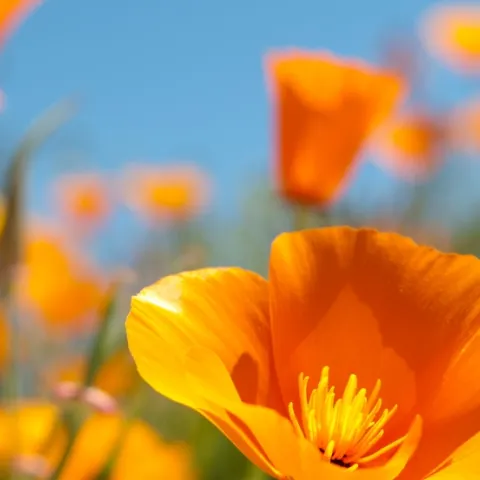
California Poppies
UC Master Gardener Program: Page

Find a UC Master Gardener Program

Thank you for your interest in the UC Master Gardener Program! Programs are based in your local UC Cooperative Extension office. Select your county to find your local program and get more information.If you are interested in becoming a UC Master Gardener, note that training times and locations vary by county…
View Page
UC ANR Small Farms Network: Page

Extreme Weather Food Safety

*Title: Produce Safety and Flood ResourcesSource: UC DavisLast updated: January 2023Description: This resources contains information about how to handle produce in compliance with food safety regulations after a flooding event. Topics include how to evaluate food safety risks, what to do if contamination…
View Page
UC ANR Small Farms Network: Page

Crop Water Stress

Title: Crop Water Use and Growth StagesSource: Colorado State University ExtensionLast updated: 2014Description: A comprehensive fact sheet that goes over the background of crop water use, water use estimations, and symptoms of water stress for different crop types. There is a table included in the resource…
View Page
UC ANR Small Farms Network: Page

Soil and Water

Title: Managing Soils for Water: How Five Principles of Soil Health Support Water Infiltration and StorageSource: NCAT ATTRALast updated: 2019Description: This resource is a deep dive into the ecological and biophysical concepts driving the impacts of healthy soil on water conservation. The management…
View Page
UC ANR Small Farms Network: Page

Irrigation Design and Maintenance

*Title: Soils and IrrigationSource: UC Cooperative Extension Fresno County              Last updated:Description: A Series of trainings on a wide range of irrigation topics including pump and well efficiency, interpretation of well water quality, micro irrigation system…
View Page
Primary Image
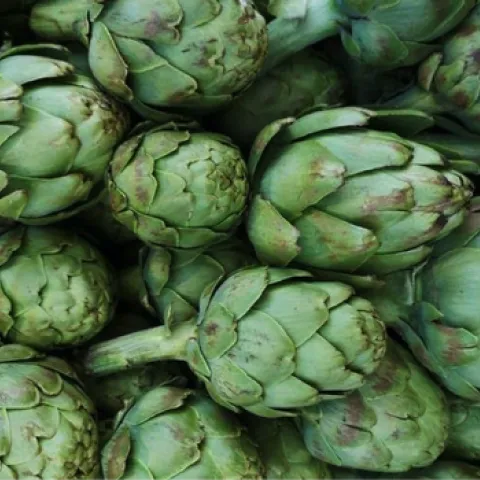
artichoke
UC Marin Master Gardeners: Document

Artichoke

Artichoke, Cynara scolymus, is a perennial, cool-season edible flower. Grows three to four feet tall and wide. Thrives in Marin's coastal climate, where it can produce two crops of tender flower buds a year for five plus years.
View Document
Primary Image
Arugula photo Leo Michels
UC Marin Master Gardeners: Document

Arugula

Scientific Name Eruca vesicaria ssp. sativa General Information Arugula ("rocket") is a spicy mustard green that is fast and easy to grow. There are two varieties: wild Italian arugula (Eruca selvatica) and common arugula (Eruca vesicaria ssp. sativa). Wild Italian arugula has delicate,…
View Document
Primary Image
asparagus
UC Marin Master Gardeners: Document

Asparagus

Asparagus officinalis is a perennial vegetable with edible green stalks. Plants can live for 15+ years. Native to the coastal regions of Europe and Asia.
View Document