A Natural Solution for California's Herds: African Catfish Peptides

California's cattle producers and agricultural communities are all too familiar with the rising challenge of antibiotic resistance, making common bacterial infections harder to treat in livestock. But imagine a future where we could tackle these infections with a natural, powerful alternative. Our research points to just that: antimicrobial peptides (AMPs) found in African catfish.

We're really excited about these peptides because African catfish thrive in pathogen-rich freshwater, naturally producing these robust immune compounds in their skin mucus as a defense. This natural origin makes them highly appealing alternatives to synthetic drugs.

Predicted Safety and Potent Action

One of the most compelling aspects of these AMPs is their predicted safety for mammals. Our initial computer analyses suggest that various catfish AMPs are generally recognized as safe (GRAS). We predict they'll be absorbed in the human intestine without causing liver, brain, or heart toxicity. Furthermore, lab tests on a promising peptide, NACAP-II, confirmed it was non-hemolytic, meaning it didn't damage rabbit red blood cells—a strong indicator of its potential safety for mammalian cells.

Beyond safety, these peptides demonstrate effectiveness against problematic bacteria. One study revealed NACAP-II's strong activity against Extended-Spectrum Beta-Lactamase (ESBL)-producing Escherichia coli—a critical concern for both animal and human health due to its resistance to many common antibiotics. Another peptide, ACAP-IV, also showed antibacterial activity against E. coli and Staphylococcus aureus. We believe these AMPs work by directly disrupting bacterial cell membranes, a mechanism that makes it harder for bacteria to develop resistance compared to how they resist traditional antibiotics.

Primary Image
geraniums
UC Marin Master Gardeners: Document

Scented Geranium

 Scientific NamePelargonium sppGeneral InformationScented geraniums are tender perennials loved by hummingbirds and butterflies. Popular scents include rose, lemon, chocolate, orange, apple, apricot, coconut, ginger, and nutmeg. Foliage is textured, sometimes variegated and bursts with fragrance and…
View Document
Primary Image
thyme
UC Marin Master Gardeners: Document

Thyme

 Scientific NameThymus vulgarisGeneral InformationEasy evergreen perennial grows two to 15 inches tall. Tiny fragrant gray-green leaves; some variegated varieties available. Blooms early summer. Tiny lavender, white, or pink flowers taste like the foliage, only sweeter. Attracts bees. Deer resistant…
View Document
Primary Image
winter savory
UC Marin Master Gardeners: Document

Winter Savory

 Scientific NameSatureja montanaGeneral InformationWinter Savory is a dark green perennial that prefers full sun and grows a foot tall. It is easy to grow. Bees collect both pollen and nectar from the shoots of long flowering savory. Native to the Mediterranean region, it is used in cooking.When to…
View Document
Page

Page of Collection of Documents

Page of Collection of Documents h2Page of Collection of Documents h3Page of Collection of Documents h4Page of Collection of Documents h5Page of Collection of Documents h6 
View Page
Primary Image
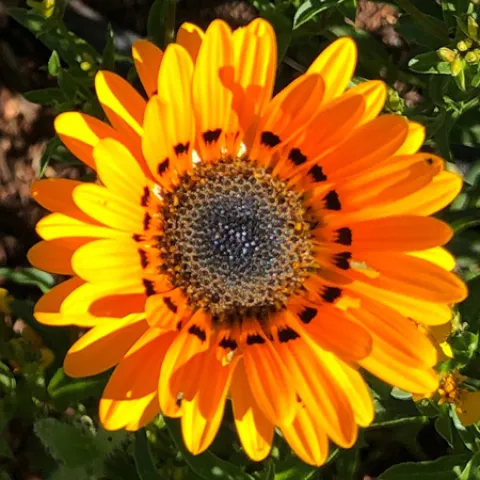
Orn-Venidium-Orange-Cape-Daisy-MG-Karen-Schaffer
Document

D Document 4

Document 4 sdf What is Lorem Ipsum?Lorem Ipsum is simply dummy text of the printing and typesetting industry. Lorem Ipsum has been the industry's standard dummy text ever since the 1500s, when an unknown printer took a galley of type and scrambled it to make a type specimen book. It has survived not…
View Document
Primary Image
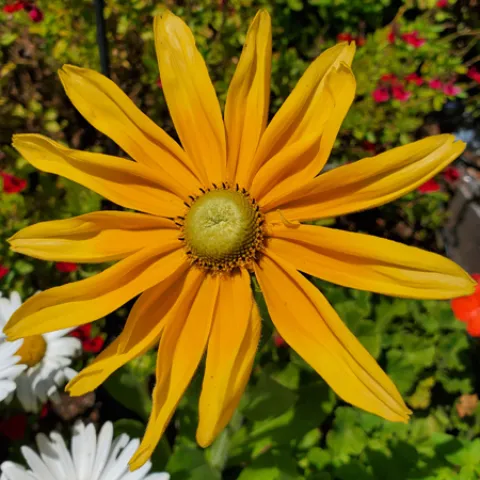
Orn-Rudbeckia-Irish-Eyes-MG-Jacqueline-Bogard
Document

C Document 3

Document 3 What is Lorem Ipsum?Lorem Ipsum is simply dummy text of the printing and typesetting industry. Lorem Ipsum has been the industry's standard dummy text ever since the 1500s, when an unknown printer took a galley of type and scrambled it to make a type specimen book. It has survived not only…
View Document
Primary Image
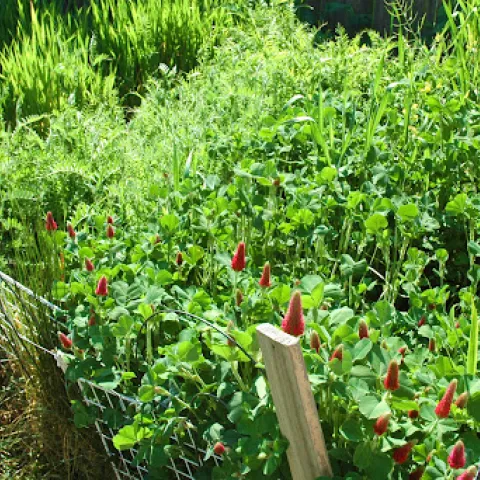
Master Gardener Great Tomato Plant Sale at Our Garden
Document

B Document 2

B document 2 What is Lorem Ipsum?Lorem Ipsum is simply dummy text of the printing and typesetting industry. Lorem Ipsum has been the industry's standard dummy text ever since the 1500s, when an unknown printer took a galley of type and scrambled it to make a type specimen book. It has survived not only…
View Document
Primary Image
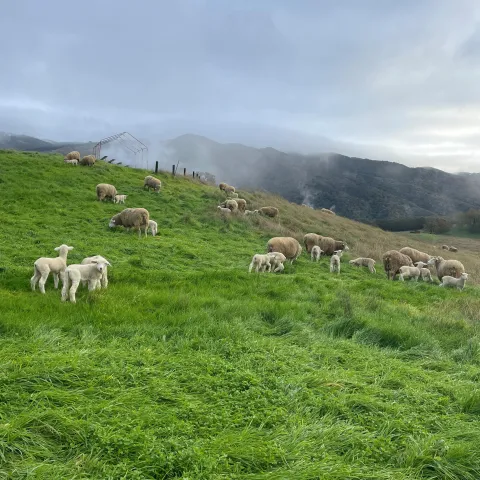
Lambs first day on pasture 3
Document

A Document 1

A Document 1What is Lorem Ipsum?Lorem Ipsum is simply dummy text of the printing and typesetting industry. Lorem Ipsum has been the industry's standard dummy text ever since the 1500s, when an unknown printer took a galley of type and scrambled it to make a type specimen book. It has survived not only five…
View Document