A Natural Solution for California's Herds: African Catfish Peptides

California's cattle producers and agricultural communities are all too familiar with the rising challenge of antibiotic resistance, making common bacterial infections harder to treat in livestock. But imagine a future where we could tackle these infections with a natural, powerful alternative. Our research points to just that: antimicrobial peptides (AMPs) found in African catfish.

We're really excited about these peptides because African catfish thrive in pathogen-rich freshwater, naturally producing these robust immune compounds in their skin mucus as a defense. This natural origin makes them highly appealing alternatives to synthetic drugs.

Predicted Safety and Potent Action

One of the most compelling aspects of these AMPs is their predicted safety for mammals. Our initial computer analyses suggest that various catfish AMPs are generally recognized as safe (GRAS). We predict they'll be absorbed in the human intestine without causing liver, brain, or heart toxicity. Furthermore, lab tests on a promising peptide, NACAP-II, confirmed it was non-hemolytic, meaning it didn't damage rabbit red blood cells—a strong indicator of its potential safety for mammalian cells.

Beyond safety, these peptides demonstrate effectiveness against problematic bacteria. One study revealed NACAP-II's strong activity against Extended-Spectrum Beta-Lactamase (ESBL)-producing Escherichia coli—a critical concern for both animal and human health due to its resistance to many common antibiotics. Another peptide, ACAP-IV, also showed antibacterial activity against E. coli and Staphylococcus aureus. We believe these AMPs work by directly disrupting bacterial cell membranes, a mechanism that makes it harder for bacteria to develop resistance compared to how they resist traditional antibiotics.
Primary Image
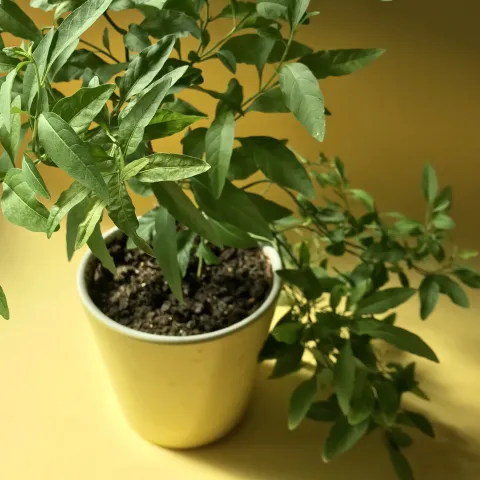
lemon verbena
UC Marin Master Gardeners: Document

Lemon Verbena

 Scientific NameAloysia triphylla (Lippia citriodora)General InformationLemon verbena is a popular shrub that grows 15 feet tall in the tropics, usually shorter in northern California. Evergreen in frost-free areas. Foliage is cherished for sweet, fresh, lemony scent. Leaves and flowers are used for…
View Document
Primary Image
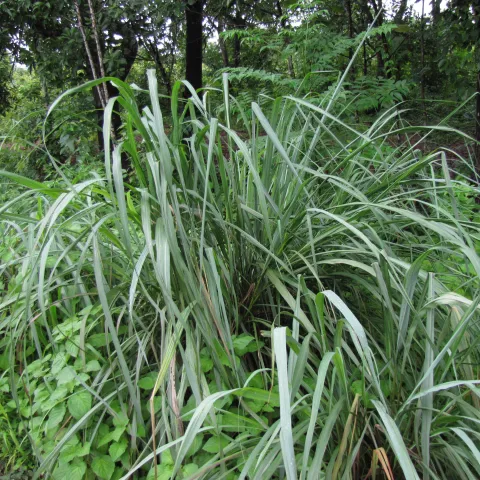
lemongrass
UC Marin Master Gardeners: Document

Lemongrass

 Scientific NameCymbopogon citratusGeneral InformationLemongrass is a fast-growing, shallow-rooted herbaceous perennial that grows up to 4 feet tall and 3 feet wide. It must be protected in winter because it is not frost tolerant. Its blue-green leaves turn red in the fall. It produces no flowers and is…
View Document
Primary Image
tagetes lucida
UC Marin Master Gardeners: Document

Mexican Tarragon

 Scientific NameTagetes lucidaGeneral InformationMexican tarragon is a tender perennial often grown as an annual. It grows 2 to 3 feet tall. Its yellow-orange flowers attract bees, butterflies, and birds yet repel some insect pests. It is in the same family as ornamental marigolds but has a different…
View Document
Primary Image
mint
UC Marin Master Gardeners: Document

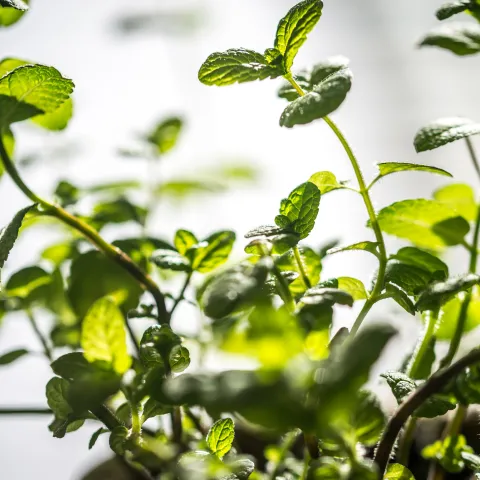
Mint

 Scientific NameMentha speciesGeneral InformationMint is a perennial herb available in more than 600 varieties. Because of its proclivity to spread, it is best planted in a container. Removing flowers before they set seed also helps contain spread.When to PlantFrom seed: Some mints set seed and some…
View Document
Primary Image
nasturtium
UC Marin Master Gardeners: Document

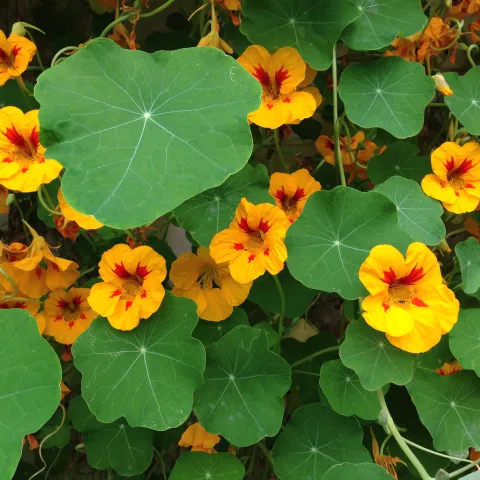
Nasturtium

 Scientific NameTropaeolum majusGeneral InformationNasturtiums are cool season annual that bloom spring through fall. Their peppery flower, leaf and seed are edible and a trailing branch makes a lovely addition to a flower arrangement. They can also be trained to climb up an arbor or fence.When to…
View Document
Article

UC Mortgage Origination Program available to UC ANR

March 18, 2025
By Michael Hsu
The Mortgage Origination Program (MOP) was developed by the University of California to support the recruitment and retention of select faculty and senior managers by assisting them in purchasing a principal residence near their work location. A recent UC change in allocation patterns for MOP funds now…
View Article
Primary Image
oregano
UC Marin Master Gardeners: Document

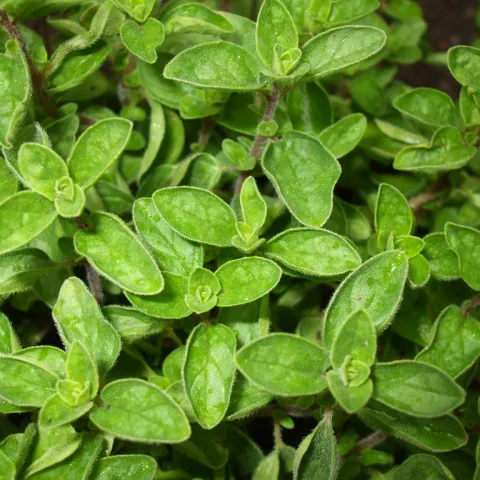
Oregano

 Scientific NameOriganum spp.General InformationOregano is a sun-loving, low-water perennial loved by bees and available in many cultivars, each varying in color, scent, and flavor. Greek and Italian oregano are popular for their strong flavor. The leaves and flowers are edible.When to PlantPlant in…
View Document
Primary Image
parsley
UC Marin Master Gardeners: Document

Parsley

 Scientific NamePetroselinum crispum (curly variety) Petroselinum neapolitanum (flat leaf variety)General InformationPopular biennial culinary herb in the carrot family. Two varieties: curly leaf parsley used more as a garnish and flat leafed parsley used for cooking. Bright green, tooth-edged…
View Document
Primary Image
rosemary
UC Marin Master Gardeners: Document

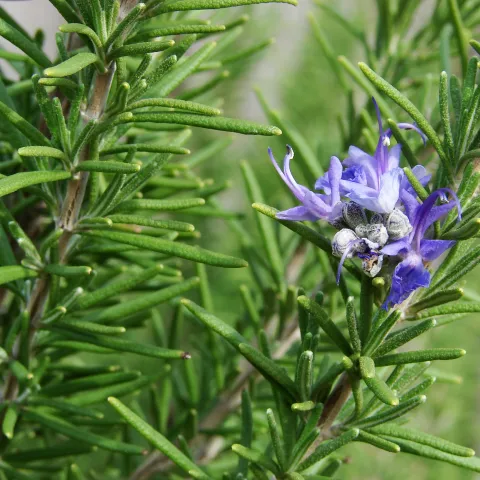
Rosemary

 Scientific NameRosmarinus officinalisGeneral InformationRosemary is a sun-loving, low-water, evergreen shrub that blooms in winter and spring. There are many cultivars, from low-growing up to 6 feet tall. It is easy to grow, takes heat, and it’s deer proof.When to PlantBest planted in spring through…
View Document
Primary Image
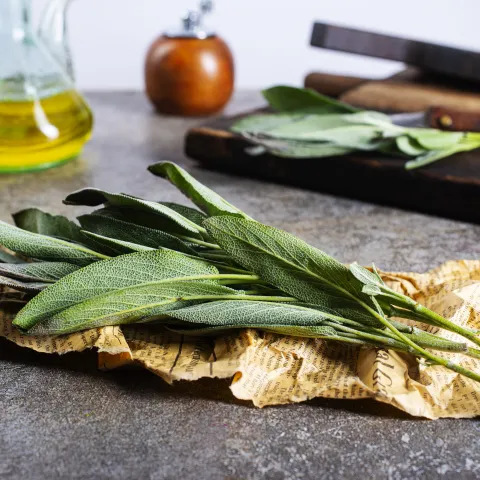
sage
UC Marin Master Gardeners: Document

Sage

 Scientific NameSalvia officinalisGeneral InformationEasy, prolific, drought-tolerant, perennial grows one to two feet tall. Has rough-textured, green-gray leaves and lavender, white, or blue flowers in summer. Leaves and flowers are edible. Hundreds of varieties. Attracts hummingbirds, bees, and…
View Document