A Natural Solution for California's Herds: African Catfish Peptides

California's cattle producers and agricultural communities are all too familiar with the rising challenge of antibiotic resistance, making common bacterial infections harder to treat in livestock. But imagine a future where we could tackle these infections with a natural, powerful alternative. Our research points to just that: antimicrobial peptides (AMPs) found in African catfish.

We're really excited about these peptides because African catfish thrive in pathogen-rich freshwater, naturally producing these robust immune compounds in their skin mucus as a defense. This natural origin makes them highly appealing alternatives to synthetic drugs.

Predicted Safety and Potent Action

One of the most compelling aspects of these AMPs is their predicted safety for mammals. Our initial computer analyses suggest that various catfish AMPs are generally recognized as safe (GRAS). We predict they'll be absorbed in the human intestine without causing liver, brain, or heart toxicity. Furthermore, lab tests on a promising peptide, NACAP-II, confirmed it was non-hemolytic, meaning it didn't damage rabbit red blood cells—a strong indicator of its potential safety for mammalian cells.

Beyond safety, these peptides demonstrate effectiveness against problematic bacteria. One study revealed NACAP-II's strong activity against Extended-Spectrum Beta-Lactamase (ESBL)-producing Escherichia coli—a critical concern for both animal and human health due to its resistance to many common antibiotics. Another peptide, ACAP-IV, also showed antibacterial activity against E. coli and Staphylococcus aureus. We believe these AMPs work by directly disrupting bacterial cell membranes, a mechanism that makes it harder for bacteria to develop resistance compared to how they resist traditional antibiotics.

Primary Image
pole beans
UC Marin Master Gardeners: Document

Beans

Beans, Phaseolus vulgaris, are warm season legumes native to Central or South America. Grown since ancient times. Eat fresh in pod or shell and dry. Pole beans grow six to 10 feet. Bush beans grow two feet tall and wide. Good source of fiber and vegetable protein. Enriches soil with nitrogen.
View Document
Primary Image
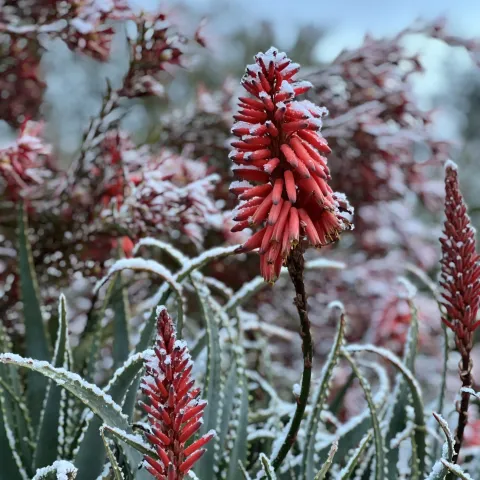
Orange aloe flowers with a light dusting of snow
UC Master Gardeners of Monterey & Santa Cruz Counties: Article

What to do in the Garden - January

March 17, 2025
By Denise Pinard
From food gardening to fruit trees, find winter tasks for a thriving spring garden. Learn about maintenance, planting, and pest management.
View Article
Primary Image
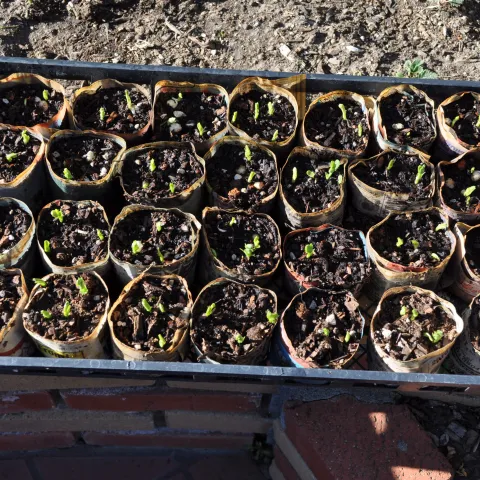
A tray of newspaper pots with tiny seedlings
UC Master Gardeners of Monterey & Santa Cruz Counties: Article

What to do in the Garden - February

March 17, 2025
By Denise Pinard
February gardening in Central Coast: Plant bare roots, prune roses & fruit trees, start seeds, & manage pests. Get your garden thriving this month!
View Article
Primary Image
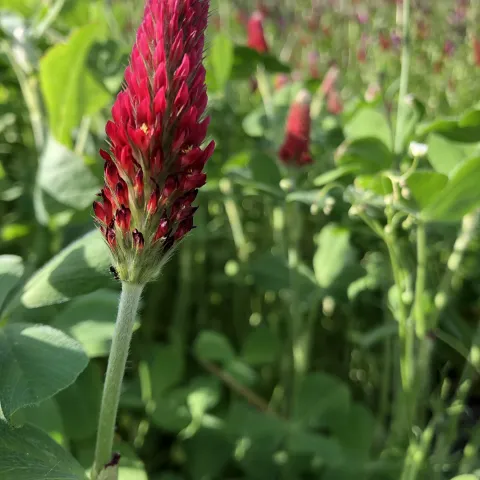
A red clover flower in a field of cover crop
UC Master Gardeners of Monterey & Santa Cruz Counties: Article

What to do in the Garden - March

March 17, 2025
By Denise Pinard
March gardening in the Central Coast: From vegetables to flowers, find essential planting and maintenance tips for a beautiful spring garden.
View Article
Primary Image
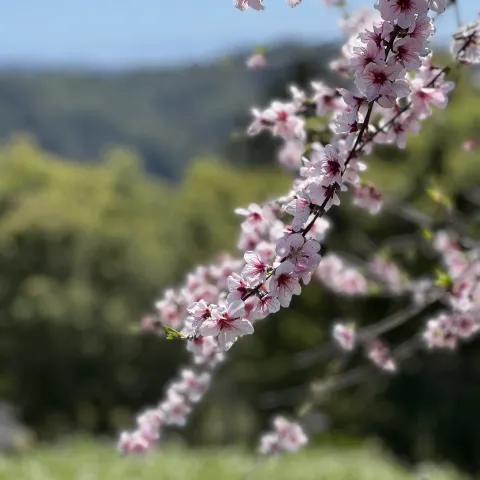
pink spring blossoms on a fruit tree branch
UC Master Gardeners of Monterey & Santa Cruz Counties: Article

What to do in the Garden - April

March 17, 2025
By Denise Pinard
April gardening: Warm-season planting, continued seed starting, and managing spring growth. Get your Central Coast garden flourishing this month.
View Article
Primary Image
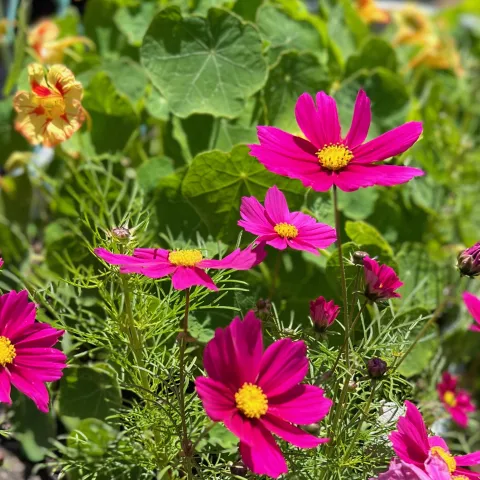
Pink cosmos in front of orange and yellow nasturtiums
UC Master Gardeners of Monterey & Santa Cruz Counties: Article

What to do in the Garden - May

March 17, 2025
By Denise Pinard
May gardening: Maximizing growth, managing pests, and consistent watering. Keep your Central Coast garden thriving with our expert tips.
View Article
Primary Image
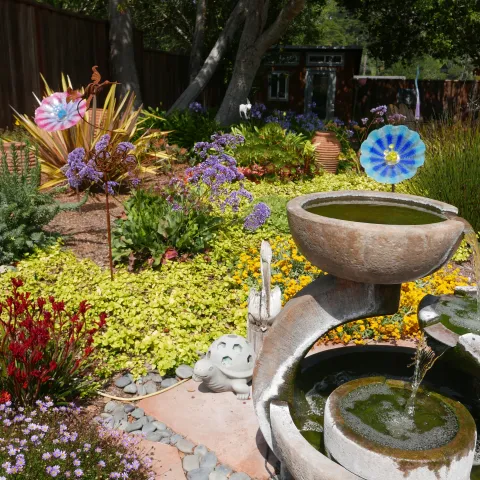
A garden with a fountain in the foreground and a variety of plants behind
UC Master Gardeners of Monterey & Santa Cruz Counties: Article

What to do in the Garden - June

March 17, 2025
By Denise Pinard
June garden tasks: Harvesting, deep watering, weed control, and managing summer temperatures. Keep your garden thriving with our expert advice.
View Article
Primary Image
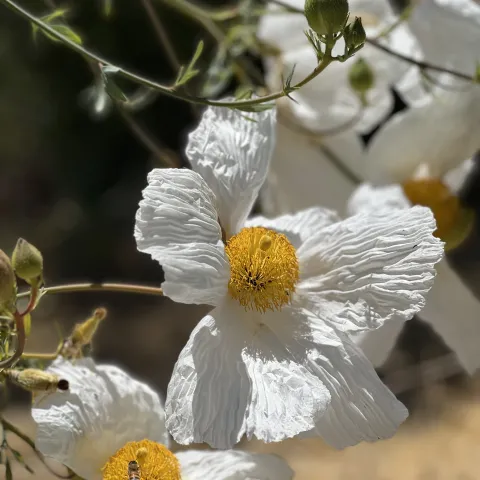
Matilija poppies
UC Master Gardeners of Monterey & Santa Cruz Counties: Article

What to do in the Garden - July

March 17, 2025
By Denise Pinard
July garden tasks: Harvesting, deep watering, weed control, and managing summer temperatures. Keep your garden thriving with our expert advice.
View Article
Primary Image
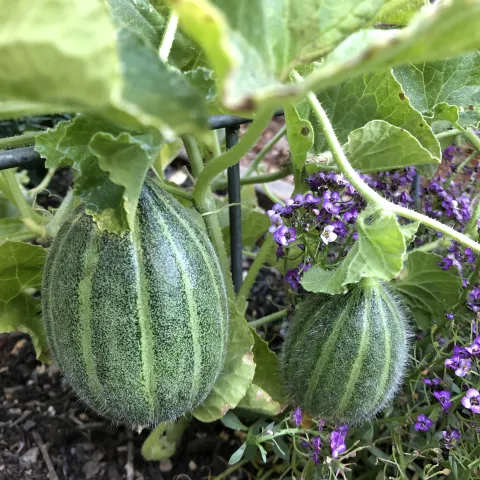
small ripening green melons on a vine
UC Master Gardeners of Monterey & Santa Cruz Counties: Article

What to do in the Garden - August

March 17, 2025
By Denise Pinard
August garden tasks: Harvesting, deep watering, weed control, and managing summer temperatures. Keep your garden thriving with our expert advice.
View Article
Primary Image
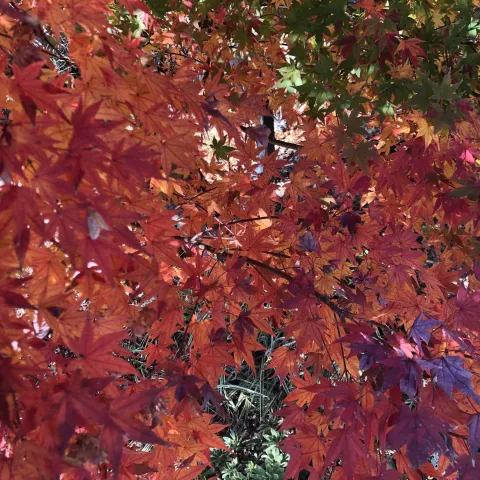
a view looking through red maple leaves
UC Master Gardeners of Monterey & Santa Cruz Counties: Article

What to do in the Garden - September

March 17, 2025
By Denise Pinard
September garden tasks: Harvesting, deep watering, weed control, and managing summer temperatures. Keep your garden thriving with our expert advice.
View Article