A Natural Solution for California's Herds: African Catfish Peptides

California's cattle producers and agricultural communities are all too familiar with the rising challenge of antibiotic resistance, making common bacterial infections harder to treat in livestock. But imagine a future where we could tackle these infections with a natural, powerful alternative. Our research points to just that: antimicrobial peptides (AMPs) found in African catfish.

We're really excited about these peptides because African catfish thrive in pathogen-rich freshwater, naturally producing these robust immune compounds in their skin mucus as a defense. This natural origin makes them highly appealing alternatives to synthetic drugs.

Predicted Safety and Potent Action

One of the most compelling aspects of these AMPs is their predicted safety for mammals. Our initial computer analyses suggest that various catfish AMPs are generally recognized as safe (GRAS). We predict they'll be absorbed in the human intestine without causing liver, brain, or heart toxicity. Furthermore, lab tests on a promising peptide, NACAP-II, confirmed it was non-hemolytic, meaning it didn't damage rabbit red blood cells—a strong indicator of its potential safety for mammalian cells.

Beyond safety, these peptides demonstrate effectiveness against problematic bacteria. One study revealed NACAP-II's strong activity against Extended-Spectrum Beta-Lactamase (ESBL)-producing Escherichia coli—a critical concern for both animal and human health due to its resistance to many common antibiotics. Another peptide, ACAP-IV, also showed antibacterial activity against E. coli and Staphylococcus aureus. We believe these AMPs work by directly disrupting bacterial cell membranes, a mechanism that makes it harder for bacteria to develop resistance compared to how they resist traditional antibiotics.
Event Primary Image
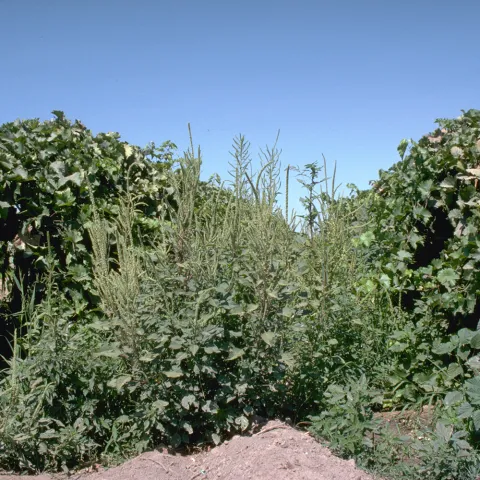
Heavy infestation of weeds in between two rows of grapevines.
UC Ag Experts Talk Webinar Series: Event

Webinar: Perennial Weed Management in Vineyards and Orchards

Event Date
Jun 3, 2026

This webinar is part of the UC Ag Experts Talk series. Jorge Angeles, Weed Management Advisor, University of California Cooperative Extension, Tulare, Kings, and Fresno Counties, will provide an overview of commonly found perennial weeds in orchards and vineyards in the San Joaquin Valley and cover key…
UC Ag Experts Talk Webinar Series
View Event
Primary Image
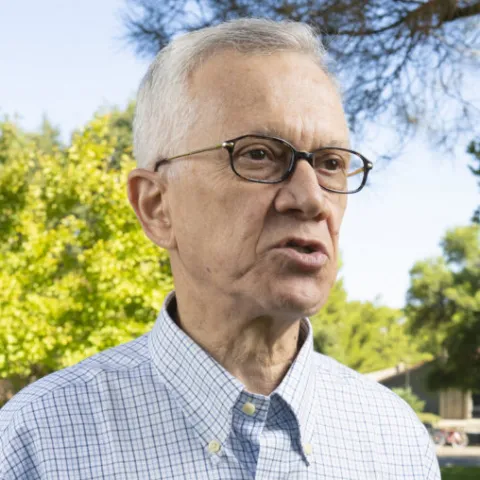
UC Davis Distinguished Professor Walter Leal on the UC Davis campus. (Photo by T.J. Ushing)
Bug Squad: Article

UC Davis Scientist Spotlighted in 'Antenna'

April 2, 2026
By Kathy Keatley Garvey
 You could say that UC Davis Distinguished Professor Walter Leal, Honorary Fellow of the Royal Entomological Society (RES), is being treated "royally."He's featured in the RES publication, Antenna, Volume 50, celebrating the organization's 50th year.  Jozsef Vuts, a chemical ecologist with…
View Article
Article

A Table

April 2, 2026
Showing 1–20 of 988 recordsSiteUrlStateDCIQASEOAccessibilityCalifornia State University‚ Fullertonhttp://www.fullerton.edu/California63597358California Baptist Universityhttps://calbaptist.edu/California70598171University of California, Berkeleyhttps://www.berkeley.edu/California75518488California Lutheran…
Archived
View Article
Primary Image
Neighborhood after the LA Fires
UC Master Gardener Program Statewide Blog: Article

Fire Resilient Gardening Blooms in the Wake of the Palisades and Eaton Fires

April 2, 2026
By Kristian M Salgado-Jacobo
In the wake of the 2025 Palisades and Eaton wildfires, the UC Master Gardener Program of Los Angeles County has emerged as a vital resource for residents and a collaborative partner for UC ANR advisors, academic researchers, and organizations working to  understand wildfire impacts and support landscape…
View Article
ANR Contracts & Grants Updates: Article

Smith-Lever Special Needs Competitive Grants Program

April 2, 2026
By Kendra T Rose
The National Institute of Food and Agriculture (NIFA) invites applications for the Smith-Lever Special Needs Competitive Grants Program (SLSNCGP) for fiscal year (FY) 2026. This program supports innovative, education-based Extension approaches to strengthen disaster preparedness, response, recovery, and…
View Article
UC Master Gardeners of Placer County: Article

California Native Plant List at the South Placer Fire Station 18

April 2, 2026
This list represents the native plants planted at the South Placer Fire Station 18 in December 2025 that are generally available, low in water use, and easy to grow in the garden.Common NameBotanical NameSizeFlower ColorWestern RedbudCercis occidentalis10-20’H x 10-15’W Bright PinkPigeon Point Coyote…
View Article
Climate Smart Agriculture in San Diego County: Page

2025 Workshop Details

Voluntary Conservation and Land Management Assistance WorkshopWednesday, March 26, 2025, 4:00PM - 6:00 PMIn-person: San Diego County Farm Bureau, 420 S Broadway, Escondido, CA 92025Sponsors: County of San Diego, University of California Agriculture and Natural Resources, Resource Conservation District of…
View Page
Primary Image
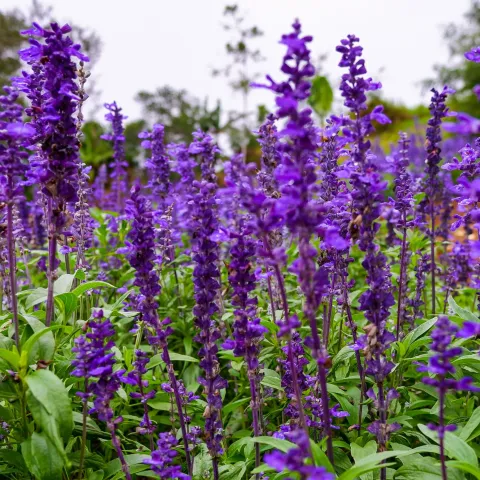
Purple salvia blossoms atop green foliage.
UC Master Gardeners of Tuolumne County: Article

Central Sierra: Salvias - Easy Plants for Your Foothill Garden

April 2, 2026
Salvias - Easy Plants for Your Foothill GardenBy Nancy Piekarczyk, UC Master Gardener Volunteer in Tuolumne County You want your yard to look nice—even if you think you’re not the greatest gardener, or you don’t want to pay for lots of water, or you don’t have much time. One of the best “easy” foothill…
View Article