A Natural Solution for California's Herds: African Catfish Peptides

California's cattle producers and agricultural communities are all too familiar with the rising challenge of antibiotic resistance, making common bacterial infections harder to treat in livestock. But imagine a future where we could tackle these infections with a natural, powerful alternative. Our research points to just that: antimicrobial peptides (AMPs) found in African catfish.

We're really excited about these peptides because African catfish thrive in pathogen-rich freshwater, naturally producing these robust immune compounds in their skin mucus as a defense. This natural origin makes them highly appealing alternatives to synthetic drugs.

Predicted Safety and Potent Action

One of the most compelling aspects of these AMPs is their predicted safety for mammals. Our initial computer analyses suggest that various catfish AMPs are generally recognized as safe (GRAS). We predict they'll be absorbed in the human intestine without causing liver, brain, or heart toxicity. Furthermore, lab tests on a promising peptide, NACAP-II, confirmed it was non-hemolytic, meaning it didn't damage rabbit red blood cells—a strong indicator of its potential safety for mammalian cells.

Beyond safety, these peptides demonstrate effectiveness against problematic bacteria. One study revealed NACAP-II's strong activity against Extended-Spectrum Beta-Lactamase (ESBL)-producing Escherichia coli—a critical concern for both animal and human health due to its resistance to many common antibiotics. Another peptide, ACAP-IV, also showed antibacterial activity against E. coli and Staphylococcus aureus. We believe these AMPs work by directly disrupting bacterial cell membranes, a mechanism that makes it harder for bacteria to develop resistance compared to how they resist traditional antibiotics.
UC Master Gardeners of Tuolumne County: Event

Central Sierra: Open Garden Day | Tuolumne Master Gardeners

Event Date
Mar 7, 2026

Learn about Seed Starting and Reading Seed Labels The UCCE Tuolumne County Master Gardeners will be holding our March Open Garden Day at the Demonstration Garden on Saturday, March 7, from 10AM – 1PM.  The Demonstration Garden is located at 251 S. Barretta Street in Sonora, (Cassina High School…
UC Master Gardeners of Tuolumne County
View Event
Primary Image
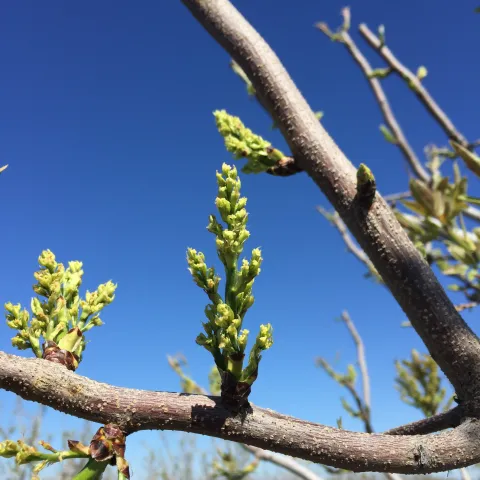
Female pistachio inflorescences
Nut, Olive and Prune Programmatic News: Article

Pistachio bloom and pollination processes for a successful crop

February 24, 2026
By Elizabeth J Fichtner
Late March through mid-April marks the time of pistachio bloom in California’s Central Valley. The dynamics at bloom not only determine the anticipated yield of the crop but also offer predictors of nut quality at harvest.  Although many factors affecting bloom are outside of a grower’s control, there…
View Article
Event Primary Image
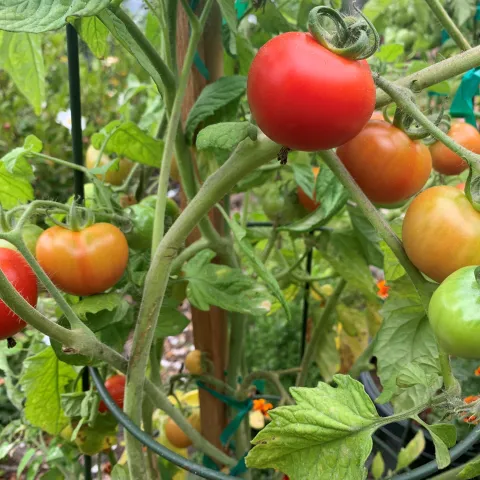
Tomatoes are a naturally vining plant. Stakes give support and cages minimize contact with soil and allow sun to ripen fruit. Photo: David S. Walker
UC Marin Master Gardeners: Event

UC Marin Master Gardeners Annual Tomato Market 2026

Event Date
Apr 18, 2026

 TWO LOCATIONS will be open from 9am until sold out:Pini Ace Hardware(NEW Novato San Marin location)191 San Marin Drive, NovatoBon Air Greenbrae50 Bon Air Center, GreenbraeNEW: Now accepting credit cards, cash, and checks. Tomato Varieties Detail 2026 Tomato Varieties…
UC Marin Master Gardeners
View Event
Event Primary Image
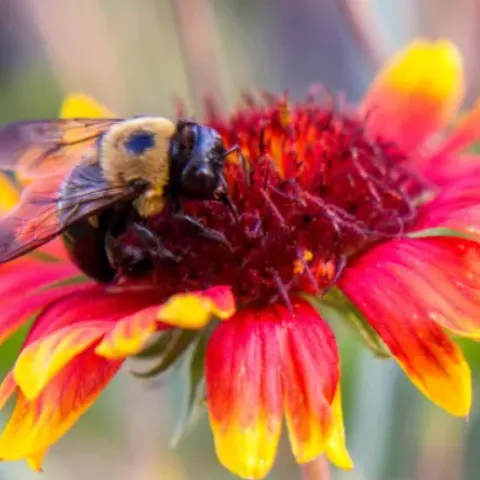
bee on flower
UC Marin Master Gardeners: Event

2026 UC Marin Master Gardener Pollinator Plant Sale

Event Date
Mar 7, 2026

Discover a world of vibrant colors, sweet scents, and buzzing excitement at our upcoming Pollinator Plant Sale. From native wildflowers to nectar-rich plants, we have a wide selection of 40 pollinator-friendly species that will attract bees, butterflies, and hummingbirds to your yard. Whether you're a…
UC Marin Master Gardeners
View Event
Primary Image
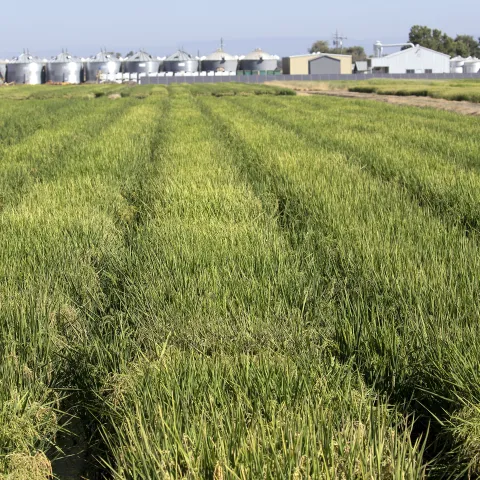
Rows of rice growing in a field
Food Blog: Article

UCCE hosts rice production workshop March 18-19

February 24, 2026
By Pamela S Kan-Rice
Topics include rice growth and development, land formation, varieties, planting and stand establishment, water and fertility management, weed control, pests and more.
View Article
Mariposa County: Page

Record Books and Record Keeping

Why Keep a Record Book4-H Record Books serve a variety of purposes in the California 4-H Youth Development Program.4-H Record Books give members an opportunity to reflect on their yearly work. They document their skill development and their learning experiences in a written report. 4-H members measure their…
View Page
Primary Image
Picture of a hot pink Betty Boop rose.
UC Master Gardeners of Tuolumne County: Article

Pruning Different Kinds of Roses in Tuolumne County

February 24, 2026
“A rose, is a rose, is a rose, is a rose,” so wrote Gertrude Stein. The beauty and fragrance of roses have been extolled over the years in poetry and song. As beautiful as roses are, they do require some care if they are to perform at their best. Pruning exceptions: For foothill gardeners with…
View Article
Primary Image
Rooted cuttings in three inch pots, growing vigorously.
The Savvy Sage: Article

How The Magic Happens - Producing a Plant Sale

February 24, 2026
By Deborah Cunningham
 Article by Sue Fitz - The bi-annual UC Master Gardener-Yolo plant sales at Woodland Community College (WCC), have been occurring for almost twenty years. Partially a fund raiser for the college and Master Gardeners, it also aims to be an inexpensive source of waterwise and pollinator friendly…
View Article