A Natural Solution for California's Herds: African Catfish Peptides

California's cattle producers and agricultural communities are all too familiar with the rising challenge of antibiotic resistance, making common bacterial infections harder to treat in livestock. But imagine a future where we could tackle these infections with a natural, powerful alternative. Our research points to just that: antimicrobial peptides (AMPs) found in African catfish.

We're really excited about these peptides because African catfish thrive in pathogen-rich freshwater, naturally producing these robust immune compounds in their skin mucus as a defense. This natural origin makes them highly appealing alternatives to synthetic drugs.

Predicted Safety and Potent Action

One of the most compelling aspects of these AMPs is their predicted safety for mammals. Our initial computer analyses suggest that various catfish AMPs are generally recognized as safe (GRAS). We predict they'll be absorbed in the human intestine without causing liver, brain, or heart toxicity. Furthermore, lab tests on a promising peptide, NACAP-II, confirmed it was non-hemolytic, meaning it didn't damage rabbit red blood cells—a strong indicator of its potential safety for mammalian cells.

Beyond safety, these peptides demonstrate effectiveness against problematic bacteria. One study revealed NACAP-II's strong activity against Extended-Spectrum Beta-Lactamase (ESBL)-producing Escherichia coli—a critical concern for both animal and human health due to its resistance to many common antibiotics. Another peptide, ACAP-IV, also showed antibacterial activity against E. coli and Staphylococcus aureus. We believe these AMPs work by directly disrupting bacterial cell membranes, a mechanism that makes it harder for bacteria to develop resistance compared to how they resist traditional antibiotics.
Primary Image
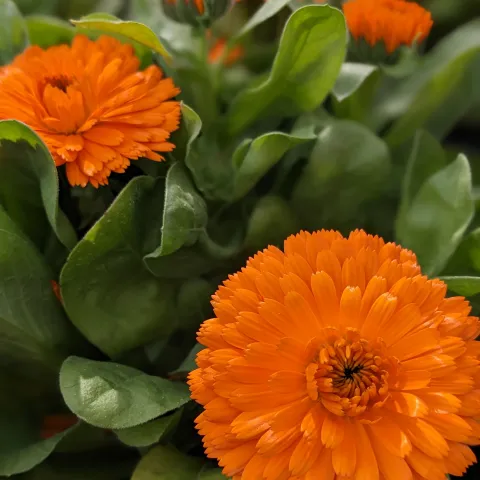
Orange Calendula flower with leaves behind

Edible Flowers – Treats from your garden

February 25, 2026
By Anne E Schellman
I love walking on garden paths with friends. Together we enjoy the scent of the flowers, the buzz of the bees, and the chirps and chatter from the many birds. As I meander along, I reach down and pluck a colorful bloom – then pop it in my mouth, chewing contently as I walk. Gasp! My friends look horrified,…
View Article
Primary Image
Path leading through trees in the woods

Horticultural Term: Bosky

February 25, 2026
By Marceline D Sousa
 Horticulture is rich with language — words that help us describe plants, landscapes, and the natural world with precision and sometimes a bit of poetry. Many horticultural terms have deep historical roots, evolving over centuries alongside our understanding of plants and gardens. Learning these terms…
View Article
Primary Image
Black-eyed Susans, roses, Iris' and other flowers in the cutting garden

The Perfect Time to Reevaluate Your Flower Garden

February 25, 2026
By Marceline D Sousa
 Once the winter chores of pruning, cleaning up debris, mulching, and the like have been completed, it’s the perfect time to reevaluate your flower garden. Perennials have been pruned back or gone dormant, fewer plants are blooming, and there are empty spaces that were previously occupied by luxurious…
View Article
Primary Image
Wood mulch in flowering landscape

Sustainable Gardening Starts in the Soil: Rethinking What’s Beneath our Feet

February 25, 2026
By Marceline D Sousa
A thriving garden begins below the surface. In San Joaquin County, most home gardeners contend with challenging soil conditions. Local soils tend to be either poor-draining, dense clay or light, sandy soil that drains rapidly and retains few nutrients. The situation is compounded in newer subdivisions, where…
View Article
UC Master Gardener Program of Alameda County: Event

Garden Talk: CA Native Plants - Pruning and summer care (Livermore)

Event Date
Jul 11, 2026

Best practices for pruning CA native shrubs and trees. MG and Native Plant specialist Laura Cornett will be guiding attendees on whens and hows of taking care of CA Native planting in the middle of the summer heat. This event is free. This event is outdoors and is subject to weather and the UC Master…
UC Master Gardener Program of Alameda County
View Event
UC Master Gardener Program of Alameda County: Event

Garden Talk: Pollinator Gardens (Livermore)

Event Date
Jun 13, 2026

If you build it they will come - Eventually.  Plants need help to proliferate.  Many need help from bees - both native and honey, butterflies, birds, even flies and wasps. Shari Wentz will be discussing plants and best practices to encourage pollinators in the garden. All you can do is make it more…
UC Master Gardener Program of Alameda County
View Event
UC Master Gardener Program of Alameda County: Event

Garden Talk: Water - Lifeblood of the garden (Livermore)

Event Date
May 9, 2026

All life needs water- especially the plants in the garden.  When there is not enough naturally available (whether from rain, humidity, water table) how much needs to be applied to for plants to survive and/or thrive , and how much is too much and how do you most effectively apply it. MG and Qualified…
UC Master Gardener Program of Alameda County
View Event
Primary Image
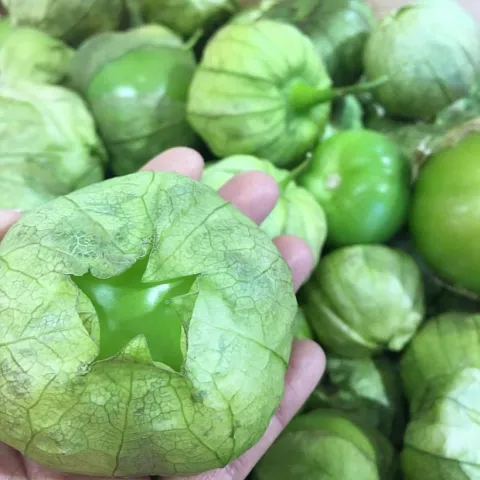
person holding tomatillos
UC Master Gardener Program of Alameda County: Article

Guide to Growing Tomatillos

February 24, 2026
By Michelle Chin
TomatillosTomatillos are a small tomato-like fruit that develops in lantern-like papery husks, used frequently in salsas and sauces.Where, When, and How to Plant Your SeedlingsTomatillos need at least six hours of sunlight per day.As with tomatoes, when planting bury half of the plant below the soil line to…
View Article
Primary Image
leafy greens
UC Master Gardener Program of Alameda County: Article

Guide to Growing Leafy Greens

February 24, 2026
By Michelle Chin
Leafy GreensChard and KaleChard can be grown year round, but kale can be tricky in the summer, particularly if you live East of the East Bay hills, where temps can be well over 90 degrees F. High temperatures and strong sun may lead to a bitter taste. If you have consistent high temps in summer and still…
View Article