A Natural Solution for California's Herds: African Catfish Peptides

California's cattle producers and agricultural communities are all too familiar with the rising challenge of antibiotic resistance, making common bacterial infections harder to treat in livestock. But imagine a future where we could tackle these infections with a natural, powerful alternative. Our research points to just that: antimicrobial peptides (AMPs) found in African catfish.

We're really excited about these peptides because African catfish thrive in pathogen-rich freshwater, naturally producing these robust immune compounds in their skin mucus as a defense. This natural origin makes them highly appealing alternatives to synthetic drugs.

Predicted Safety and Potent Action

One of the most compelling aspects of these AMPs is their predicted safety for mammals. Our initial computer analyses suggest that various catfish AMPs are generally recognized as safe (GRAS). We predict they'll be absorbed in the human intestine without causing liver, brain, or heart toxicity. Furthermore, lab tests on a promising peptide, NACAP-II, confirmed it was non-hemolytic, meaning it didn't damage rabbit red blood cells—a strong indicator of its potential safety for mammalian cells.

Beyond safety, these peptides demonstrate effectiveness against problematic bacteria. One study revealed NACAP-II's strong activity against Extended-Spectrum Beta-Lactamase (ESBL)-producing Escherichia coli—a critical concern for both animal and human health due to its resistance to many common antibiotics. Another peptide, ACAP-IV, also showed antibacterial activity against E. coli and Staphylococcus aureus. We believe these AMPs work by directly disrupting bacterial cell membranes, a mechanism that makes it harder for bacteria to develop resistance compared to how they resist traditional antibiotics.
Primary Image
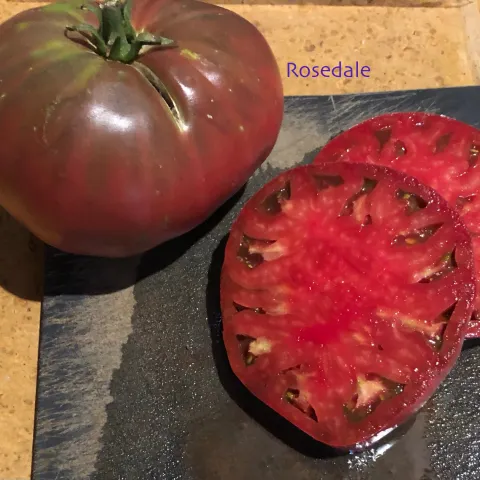
Photo of a Rosedale tomato.
The Savvy Sage: Article

Eleven New Varieties in Tomato Seedling Sale

February 24, 2026
By Deborah Cunningham
Article by Tanya Kucak - This year’s lineup for the tomato seedling sale includes nine new-to-the-sale varieties, two heirlooms from previous years, and twenty-five varieties carried over from last year.'Rosebud', 'Rosedale', and 'Texwine' were bred by Bill Jeffers in Indiana. He specializes in vigorous…
View Article
Primary Image
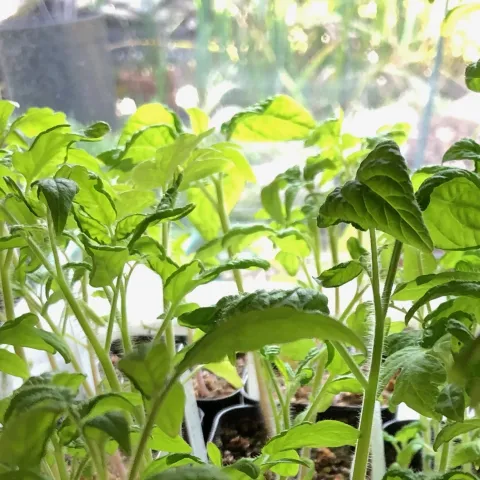
Photo of potato leaf tomatoes.
The Savvy Sage: Article

Tomato Leaf Shapes and Sunscald

February 24, 2026
By Deborah Cunningham
Article by Tanya Kucak -  The typical tomato leaf is called a regular leaf shape. Some tomato growers favor potato-leaf varieties, opining that the larger leaves of these varieties result in better flavors and offer the tomatoes more protection from the sun. The leaf margins are smooth rather than…
View Article
UCCE in Santa Barbara County: Event

Backyard Composting Workshop-Santa Maria

Event Date
Mar 28, 2026

Backyard Composting WorkshopsWith support from City of Santa Maria, Santa Maria Valley Chamber of Commerce, and County of Santa BarbaraDate & Time: March 28, 2026 from 10 am to 12 pm or 1 pm to 3 pmThere are 2 sessions to choose from. When registering you choose which session you would like to…
UCCE in Santa Barbara County
View Event
UC Master Gardener Program of Contra Costa County: Event

Garden Talk - Water Wise - OG2026

Event Date
Apr 22, 2026

"Water Wise" Irrigation Tricks and ToolsPresented by Steve Griffin
UC Master Gardener Program of Contra Costa County
View Event
UC Master Gardener Program of Contra Costa County: Event

Garden Talk - Ready, Set, Grow - OG2026

Event Date
Apr 15, 2026

'Ready, Set, Grow' Vegetable Growing StrategiesPresented by Janet Miller
UC Master Gardener Program of Contra Costa County
View Event
Event Primary Image
Pruning a rose plant
UC Master Gardeners of San Mateo & San Francisco Counties: Event

Pruning 101

Event Date
Mar 14, 2026

Anyone caring for a garden or even a few plants will sooner or later be faced with the question: Am I supposed to prune this plant? Pruning can feel mysterious and daunting, but with a few basic concepts and guidelines in hand, anyone can improve their skill. Join us for an overview of pruning basics and…
UC Master Gardeners of San Mateo & San Francisco Counties
View Event
Primary Image
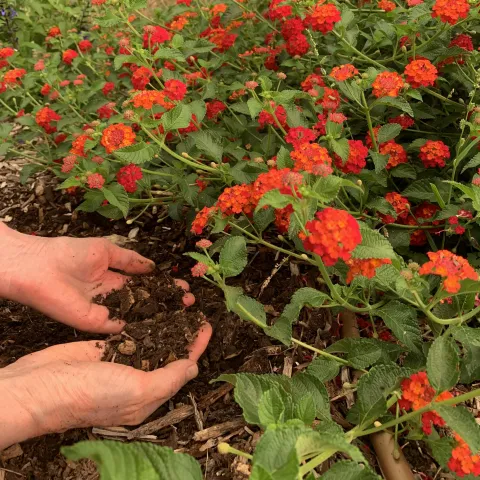
A happy gardener's hands in the soil. John Ober
The Real Dirt: Article

Find Some Dirt!

February 23, 2026
Dirt is made up of four things: minerals (from decomposed rock), air, water, and organic matter. The organic material originates from living organisms (or stuff that was once alive), and a single teaspoon of soil may contain as many as 4 billion bacteria, 1 million fungi, 20 million actinomycetes and 300,000…
View Article