A Natural Solution for California's Herds: African Catfish Peptides

California's cattle producers and agricultural communities are all too familiar with the rising challenge of antibiotic resistance, making common bacterial infections harder to treat in livestock. But imagine a future where we could tackle these infections with a natural, powerful alternative. Our research points to just that: antimicrobial peptides (AMPs) found in African catfish.

We're really excited about these peptides because African catfish thrive in pathogen-rich freshwater, naturally producing these robust immune compounds in their skin mucus as a defense. This natural origin makes them highly appealing alternatives to synthetic drugs.

Predicted Safety and Potent Action

One of the most compelling aspects of these AMPs is their predicted safety for mammals. Our initial computer analyses suggest that various catfish AMPs are generally recognized as safe (GRAS). We predict they'll be absorbed in the human intestine without causing liver, brain, or heart toxicity. Furthermore, lab tests on a promising peptide, NACAP-II, confirmed it was non-hemolytic, meaning it didn't damage rabbit red blood cells—a strong indicator of its potential safety for mammalian cells.

Beyond safety, these peptides demonstrate effectiveness against problematic bacteria. One study revealed NACAP-II's strong activity against Extended-Spectrum Beta-Lactamase (ESBL)-producing Escherichia coli—a critical concern for both animal and human health due to its resistance to many common antibiotics. Another peptide, ACAP-IV, also showed antibacterial activity against E. coli and Staphylococcus aureus. We believe these AMPs work by directly disrupting bacterial cell membranes, a mechanism that makes it harder for bacteria to develop resistance compared to how they resist traditional antibiotics.

UC Master Gardeners of Inyo and Mono Counties: Article

Estimated Irrigation Needs for Bishop, CA

February 26, 2026
By Dustin W Blakey
The following tables are estimates of water use for Bishop, CA based on CIMIS weather data, Station #35. The first table shows estimated plant use for each month. The second shows how much you can expect to irrigate. Both show values in inches. Obviously you will need to apply water more than once a…
View Article
Primary Image
purple pluots in a pile
Under the Solano Sun: Article

It's Spring?

February 26, 2026
By Jennifer M Baumbach
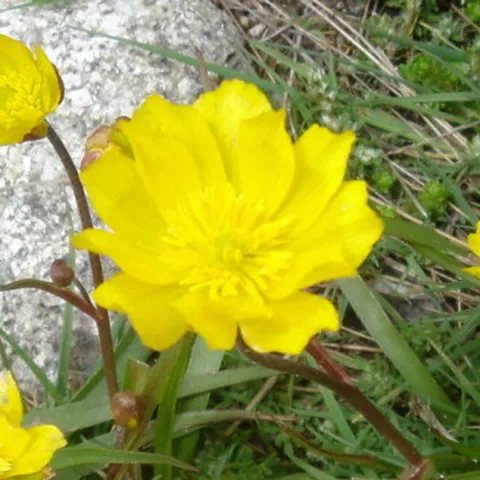
Blog by Brenda AltmanClimate change is real.  Every year, my pluot (plum apricot) tree starts flowering earlier and earlier. Here it is flowering in the second week of February!Luther Burbank pioneered the development of hybrid plums and apricots. In the late 19th century, crossing an apricot and a plum…
View Article
Primary Image
Yellow flowers

This week in the garden: Feb. 27 - March 5

February 26, 2026
Herbs thrive in the San Joaquin Valley because of our climate. March is a great time for spring planting.TasksCheck drip systems, sprinklers and other irrigation systems for repair needs.Flush irrigation lines and inspect sprinkler valves for proper operation.Protect transplants from cutworms by putting a…
View Article
Article

This Month In The Garden – March 2026

February 25, 2026
By Loren Nelson
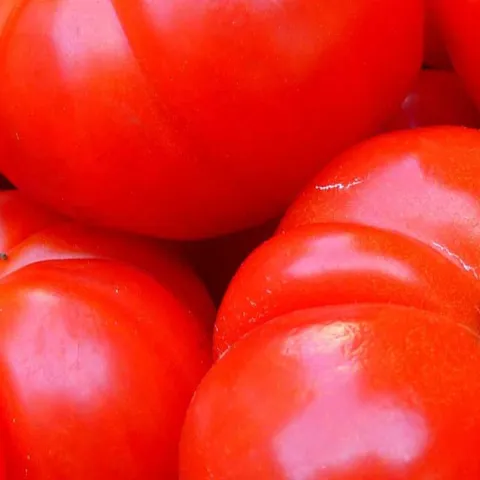
Happy March! It’s time for This Month In The Garden, our monthly tips and tricks show we play on the first Thursday of every month here on In The Garden with UC Master Gardeners of Orange County California.The key emphasis at this time of year are three words: Plant, Feed, and Control. But don’t jump the gun…
View Article
Event Primary Image
tomatoes
UC Master Gardeners of Orange County: Event

This Month In The Garden – March 2026

Event Date
Feb 25, 2026

Happy March! It’s time for This Month In The Garden, our monthly tips and tricks show we play on the first Thursday of every month here on In The Garden with UC Master Gardeners of Orange County California.The key emphasis at this time of year are three words: Plant, Feed, and Control. But don’t jump the gun…
UC Master Gardeners of Orange County
View Event
Thriving Forward: Article

What Is Mental Health First Aid?

February 25, 2026
By Matthew R Rodriguez
Introduction Supporting the mental and emotional wellbeing of youth is a priority of the 4-H positive youth development program. In fact, each of the four Hs (Head, Heart, Hands, and Health) relate to mental wellbeing. Our head is the place where we think, have emotions, and make decisions. Our heart is…
View Article
UC Master Gardeners of Butte County: Event

Grafting Fruit Trees NEW

Event Date
Apr 9, 2026

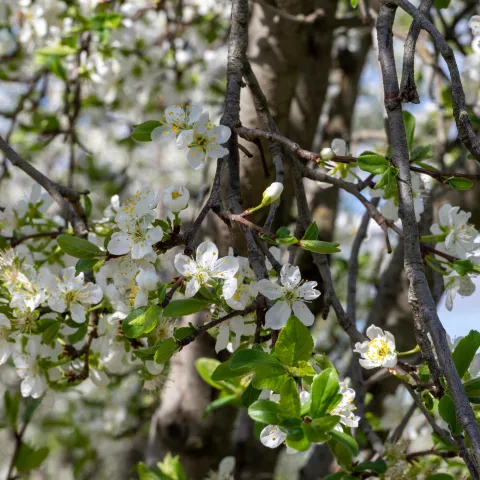
Grafting and budding are methods of plant propagation that join parts of different plants so that they will grow as one plant. Nearly all fruit trees are grown on rootstocks that have been selected to overcome soil problems. The scion cultivar is typically budded onto the rootstock. These techniques are used…
UC Master Gardeners of Butte County
View Event
Event Primary Image
up close image of blossoms on a prune tree
UCCE Central Sierra: Event

Central Sierra: Meet Community Alliance with Family Farmers (CAFF) Informational Session

Event Date
Mar 26, 2026

Calling all family farmers in the Central Sierra Foothills! Community Alliance with Family Farmers (CAFF) and MacKenzie Patton with UC Cooperative Extension invite you to an informational session to learn more about CAFF, and the support we provide to family farmers in California. Join us to explore…
UCCE Central Sierra
View Event
Primary Image
Root-knot nematodes in tomato roots

What's a Nematode?

February 25, 2026
By Kathy Keatley Garvey
 If you missed the UC Davis Biodiversity Museum Day Speaker Series on Saturday, Feb. 21 in the Sensory Theatre of the Robert Mondavi Institute for Wine and Food Science, 392 Old Davis Road, not to worry.The series, featuring introductory information about nematodes, dinosaurs, yeast, and bees and…
View Article