A Natural Solution for California's Herds: African Catfish Peptides

California's cattle producers and agricultural communities are all too familiar with the rising challenge of antibiotic resistance, making common bacterial infections harder to treat in livestock. But imagine a future where we could tackle these infections with a natural, powerful alternative. Our research points to just that: antimicrobial peptides (AMPs) found in African catfish.

We're really excited about these peptides because African catfish thrive in pathogen-rich freshwater, naturally producing these robust immune compounds in their skin mucus as a defense. This natural origin makes them highly appealing alternatives to synthetic drugs.

Predicted Safety and Potent Action

One of the most compelling aspects of these AMPs is their predicted safety for mammals. Our initial computer analyses suggest that various catfish AMPs are generally recognized as safe (GRAS). We predict they'll be absorbed in the human intestine without causing liver, brain, or heart toxicity. Furthermore, lab tests on a promising peptide, NACAP-II, confirmed it was non-hemolytic, meaning it didn't damage rabbit red blood cells—a strong indicator of its potential safety for mammalian cells.

Beyond safety, these peptides demonstrate effectiveness against problematic bacteria. One study revealed NACAP-II's strong activity against Extended-Spectrum Beta-Lactamase (ESBL)-producing Escherichia coli—a critical concern for both animal and human health due to its resistance to many common antibiotics. Another peptide, ACAP-IV, also showed antibacterial activity against E. coli and Staphylococcus aureus. We believe these AMPs work by directly disrupting bacterial cell membranes, a mechanism that makes it harder for bacteria to develop resistance compared to how they resist traditional antibiotics.

Event Primary Image
QPR
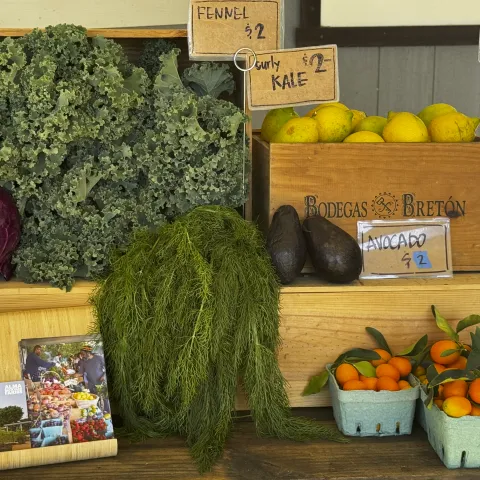
Grown in Marin: Event

Virtual QPR Training: Suicide Prevention Training for Farmers and Farm Families

Event Date
Mar 24, 2026

This training is being delivered by Texas AgrAbility's Total Farmer Health Coach, Cene Cleaton, who is trained in health, safety, and agricultural cultural competencies. This training is part of a nationwide initiative to increase mental health support for farmers, ranchers, and rural…
Grown in Marin
View Event
Master Food Preservers of San Mateo & San Francisco Counties: Page

Become a UC Master Food Preserver

The UC Master Food Preserver Program of San Mateo & San Francisco Counties is open to individuals looking to increase community knowledge in home food preservation methods. Applicants for the UC Master Food Preserver Program must be willing to share knowledge and skills learned from certification training…
View Page
Primary Image
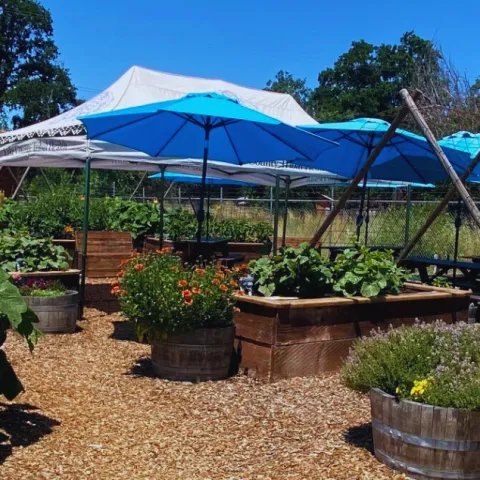
Community garden filled with raised beds and umbrellas
UC Master Gardener Program Statewide Blog: Article

Cultivating Healthy Food and Stronger Communities with Lake County Tribal Health Consortium

February 25, 2026
By Kristian M Salgado-Jacobo
Rooted in a commitment to inclusive and culturally relevant education, the UC Master Gardener Program strives to serve all Californians through meaningful horticultural outreach that supports volunteers, community partners, and residents alike. This type of rich collaboration takes time; in Lake County, that…
View Article
Primary Image
2025 Biological Evaluation Trial
Salinas Valley Agriculture: Article

2025 Biological Product Evaluation Trial in Romaine Lettuce: What Did We Learn?

February 25, 2026
By Paramveer Singh
A late-summer test on a farm near Soledad, CA, looked at eight biological product programs for romaine lettuce compared to a standard method used by growers, with normal irrigation and nutrients in the Salinas Valley. The marketable stand was the same in all treatments, and the amounts of fresh and dry…
View Article
Primary Image
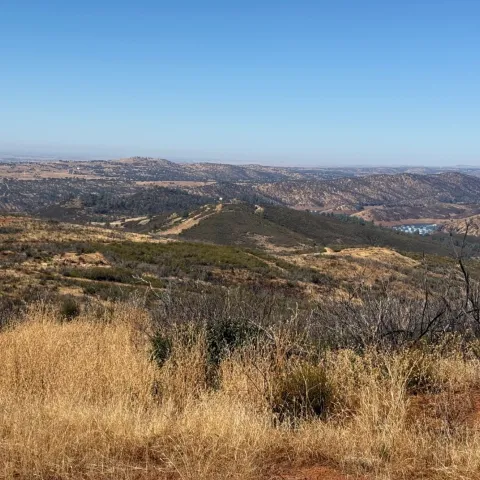
dry brush in front opens to landscape of hills covered by trees and rangelands. A lake is in the valley in the distance
UCCE Central Sierra: Article

Central Sierra: UCCE Researchers Bring Virtual Fence Technology to Local BLM Lands

February 25, 2026
By Scott R Oneto, Brian J Allen
Emerging Precision Agriculture Tool Improves Grazing Systems  For the past four years, UC researchers have been examining the usefulness of virtual fence (VF) technology on a multitude of landscapes across the Sierra Nevada. Virtual fencing is an emerging precision agriculture tool capable of improving…
View Article
Primary Image
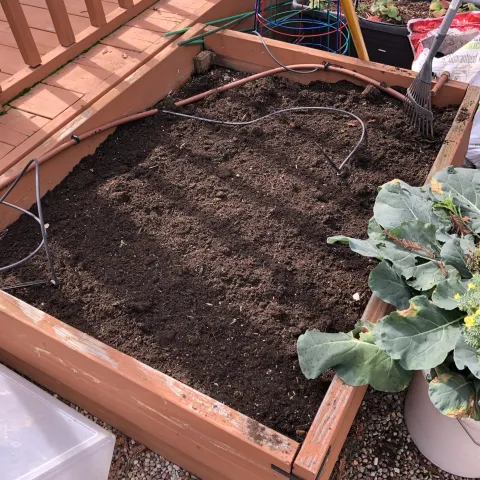
Prepped and ready garden bed

Preparing Your Stanislaus County Garden for Spring Planting

February 25, 2026
By Anne E Schellman
Spring in Stanislaus County is a season of renewal and growth. The Central Valley’s mild spring temperatures, lengthening days, and fertile soils make it one of the best times of year to establish vegetables, herbs, flowers, and fruit trees. But a productive garden doesn’t start when you put seeds in the…
View Article
Primary Image
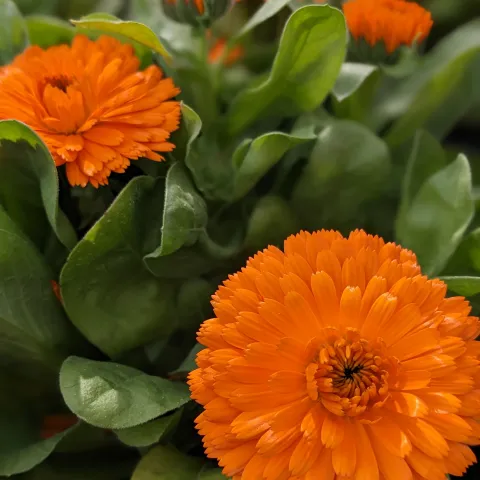
Orange Calendula flower with leaves behind

Edible Flowers – Treats from your garden

February 25, 2026
By Anne E Schellman
I love walking on garden paths with friends. Together we enjoy the scent of the flowers, the buzz of the bees, and the chirps and chatter from the many birds. As I meander along, I reach down and pluck a colorful bloom – then pop it in my mouth, chewing contently as I walk. Gasp! My friends look horrified,…
View Article