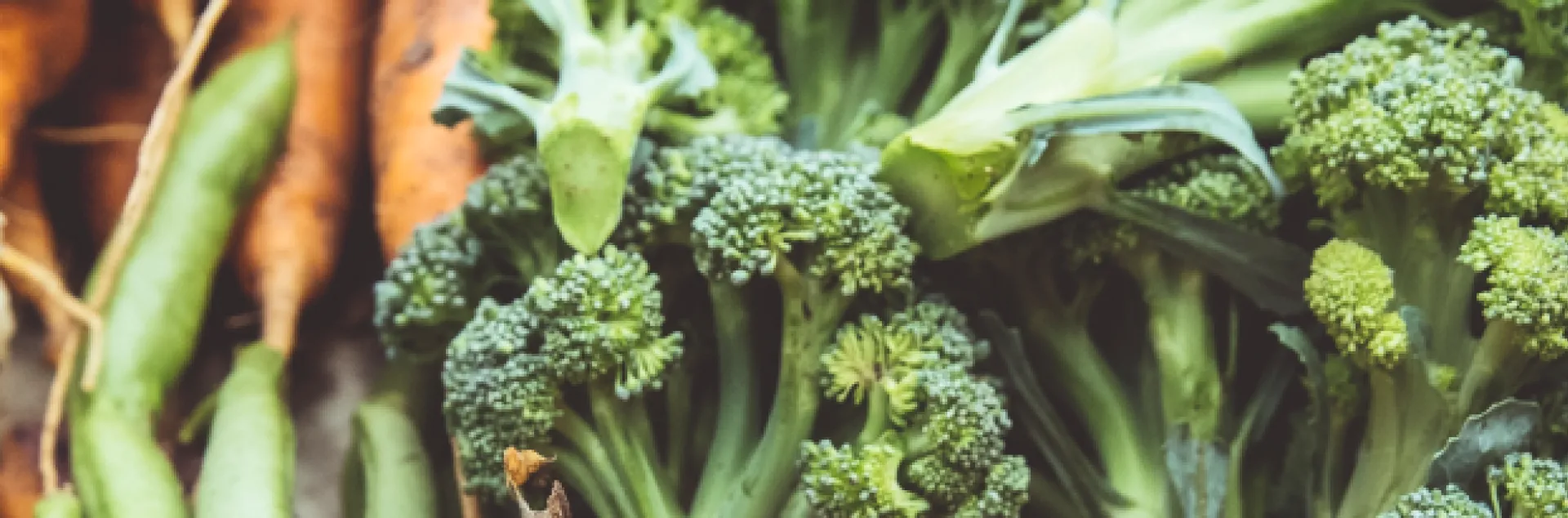
Best Edibles for Marin

It's possible to eat fresh from the garden all year long in Marin. Doing so takes a fair amount of planning. Here's how to determine which crops will suit your climate, space, and palate.
Grow what you like to eat!
It sounds so basic, yet it's easy to forget. If broccoli isn't your thing, don't be tempted by that cute little start at your local nursery.
Choose edibles by season and microclimate

Most edibles are classified as cool or warm season crops.
COOL SEASON CROPS grow best when air temperatures are 55-75°F and soil temperature is about 40 degrees. They will tolerate light freezes.
Examples:
Cool season crops include alliums (onions, garlic, and leeks), artichokes, asparagus, brassicas. (broccoli, cabbage cauliflower), greens, peas, and root vegetables.
WARM SEASON CROPS need soil that's 60 to 65 degrees and grow best when air temperatures are 65 to 92 degrees.
Examples:
beans, cucumbers, eggplant, annual herbs, peppers, tomatoes, and squash.
With proper placement and occasional use of row covers, some greens and root crops may be grown all year long. Disease resistant varieties are recommended, especially in small gardens where crop rotation may not be possible. Learn how to take your soil's temperature
| See planting times for your Marin microclimate For an at-a-glance overview of planting times for your area, see Planting Spring-Summer Edibles by Microclimate. For detailed planting times, refer to the Edibles Planting Calendar. |
Best choices for Marin

UC Marin Master Gardeners have grown many varieties of edibles to find those that grow well in Marin's microclimates. Records are kept regarding pests, production, and flavor. Here are some favorites!
ARTICHOKE
‘Green Globe’ and 'Green Globe Improved' 'Violetto di Romagna' 'Imperial Star'
ARUGULA
'Surrey' 'Astro'
ASPARAGUS
‘Jersey' series ‘UC 157’ ‘UC 72’ 'Mary Washington' 'Martha Washington'
BEAN (Bush)
‘Velour Purple Bush’(French Filet), 'Fava'
BEAN (pole)
‘Blue Lake Pole’ ‘Nickel’ (French Filet) 'Scarlet Runner' 'Romano' 'Blue Lake' 'Kentucky Wonder' 'Yellow Pole Wax' 'Purple Peacocks,' 'Nickel' 'Dragon Tongue'
BEET
'Detroit Dark Red' 'Early Wonder' 'Chiogga' 'Golden' 'Bull's Blood' ‘Chioggia’
BLUEBERRY
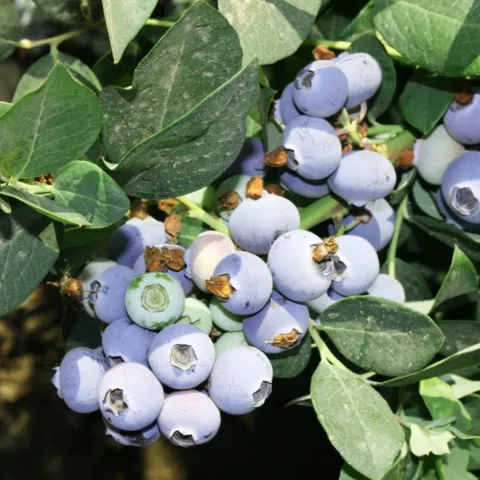
‘Bountiful Blue’ 'Sunshine Blue' ‘Misty’ 'Jubilee' 'Oneal' ‘Chandler’
BROCCOLI (long season)
'Shogun F1' 'Purple Sprouting' 'Rudolph' 'White Star'
BROCCOLI (Romanesco)
'Veronica F1' 'Minaret' 'Waltham 29'
BROCCOLI (short season)
'De Cicco' ‘Calabrese’ 'Green Goliath' 'Umpqua' 'Nutribud' ' Premium Crop F1' 'Packman' F1
BROCCOLI RABE
‘Apollo’ ‘Purple Peacock’ ‘Spring Rabe’
CABBAGE
'Gonzales' F1 (55 to 65 days)
'Early Jersey Wakefield' (60 to 75 days)
'Red Drumhead' (75 to 90 days)
'Savoy King' F1 (70 to 125 days)
'January King' (3 to 5 months)
'Danish Ballhead' (120 to 125 days)
CARROT
For beds: ‘Scarlet Nantes’ ‘Nelson’ ‘Royal Chantenay’ 'Bolero' 'Mokum' 'Nantes' 'Nelson' 'Yaya';
For containers: 'Little Finger' 'Short 'n' Sweet' 'Baby Sweet' 'Sweet Baby Jane' 'Parmex'
For colors: 'Purple Haze' 'Red Samurai' 'White Satin'
For heavy soil: 'Thumbelina' 'Oxheart'
CAULIFLOWER
'Snow Crown' (50 to 60 days) 'Snow King' 'Snowball Y' 'Snowball A';
Purple varieties: 'Purple Cape' 'Rosalind' 'Graffiti' F1;
Yellow-green varieties: 'Green Harmony' 'Emerald' F1;
Orange variety: 'Cheddar' F1
CELERY
‘Golden Self Blanching’ ‘Utah' types, 'Command', 'Mission', 'Challenger'
CHARD
‘Electric Neon’ ‘Fordhook Giant’ ‘Ruby Red’ ‘Bright Lights’
COLLARDS
‘Champion’
CORN
Yellow: 'Early Sunglow' 'Kandy Korn' 'Jubilee' 'Early Xtra Sweet';
White: 'Argent' 'Silver Queen' 'How Sweet It Is'; bicolor: 'Double Gem'; Dwarf: 'Candystick'
CUCUMBER
Slicing: 'Dasher 11' 'Marketmore' 'Sweet Success' 'Burpless' 'Sweet Slice';
Pickling: 'Liberty' 'Saladin' 'Country Fair 83';
Bush: 'Pickle Bush' 'Bush Champion' 'Salad Bush' 'Spacemaster'
EGGPLANT
‘Rosa Bianca’ ‘Traviata’ ‘Ping Tung Long’ ‘ Nadia’ (cooler climes)
ENDIVE-curly
‘Rhodes’
FENNEL
‘Prelude’ ‘Orion’
GARLIC
Softneck: 'California Early' 'California Late' 'Silverskin' 'Inchelium Red' 'Early Italian Purple';
Hardneck: 'Chesnok Red' 'Music' 'Spanish Roja' 'German Red' 'Asian Tempest' 'China Stripe' 'Italian Red Rocambole' and 'Siberian'
HERBS
‘Genovese Basil’ and ‘Thai Basil’ ‘Santo Cilantro’ ‘Giant Italian Parsley’
KALE
‘Toscano’ and ‘Siberian’
LEAFY GREENS
‘Flashy Butter Oak’ ‘Coastal Star’ ‘Mirlo’ ‘New Red' 'Crunch’ ‘Muir’ 'Melody' 'American'
LEEK
‘Hannibal’ ‘Pandora’
LETTUCE
Looseleaf: 'Salad Bowl' 'Oakleaf' 'Red Sails';
Butterhead: 'Continuity' 'Four Seasons' ‘Buttercrunch’
Romaine: 'Little Gem' 'Rouge d’Hiver' ‘Breen’
Crisphead: 'Diamond Head' 'Summertime'; ‘Oscarde’ ‘Dragoon’ ‘Marvel of Four Seasons’ ‘Parris Island’ ‘Breen’
MELON
’Arava’ ‘Rocky Fordescorial’ Sweet Granite’ ‘Sugar Baby’
ONION
'Walla Walla’ ‘Ruby Ring’ 'Southport Red Globe' 'Copra'
PARSNIP
‘Lancer’
PARSLEY
'Darki Moss' 'Giant of Italy' aka 'Gigante D'Italia'
PEA
Shelling: 'Oregon Trail' 'Maestro'
Snow/sugar: 'Oregon Sugar Pod II' 'Oregon Giant'
Snap: 'Cascadia' 'Super Sugar Snap' 'Sugar Spring'
PEPPER
‘Gypsy’ ‘Ancho Early Jalapeno’ ‘Olympus Sweet Sunrise’ ‘Antonhi'
POTATO
‘Buffalo’ ‘Bison’ ‘Carola’ ‘Carlotta’ ‘White Rose’ ‘Kennebec’ ‘Chieftain’ ‘Nargold’ ‘Russet’ ‘Red Lasoda’ ‘Red Pontiac' ‘Yukon Gold’ ‘Russian Banana’
PUMPKIN
Cooking: ‘Small Sugar’;
Jack-o-lanterns: 'Howden' 'Connecticut Field' 'Spirit'
Mildew-resistant: 'Charisima'
RADDICHIO
‘Rosa di Treviso Precoce’
RADISH
‘French Breakfast’ ‘Easter Egg’ ‘Purple Plum’ ‘Watermelon’ 'Daikon'
SAGE
'Tricolor' 'Berggarten' 'Dwarf' 'Purpurescens' 'Golden Delicious'
SPINACH
‘Corvair’ ‘Bloomsdale’
SQUASH (summer)
’Cocozelle’ 'Costata Romanesco' 'Dark Star' 'Lebanese Light Green';
Compact: ‘Peter Pan' hybrid ‘Scallopini’ ‘Early White Bush’ ‘Sundance’
SQUASH (winter)
'Hubbard varieties: ‘Red Kuri’, ‘Blue Ballet’ ‘Sweet Meat’ ‘Red Kuri’ ‘Blue Ballet’
Acorn: 'Sweet Reba' 'Table Queen' 'Carnival'
Delicata varieties: ‘Zeppelin’ ‘Sweet Dumpling’ ‘Cornell’s Bush’;
Butternut varieties: ‘Waltham’ ‘Butterbush’ ‘JWS 6823’;
Kabocha varieties: ‘Sunshine’ (bright orange-red), ‘Cha-Cha’ (dark green);
Turban varieties: 'Marina Di Chioggia'
STRAWBERRY
‘Seascape’ ‘Albion’ ‘Elan’ ‘Tri-star’
SUNCHOKES
'Stampede' 'Fuseau' 'Golden Nugget'
TOMATILLO
'Tomate' 'Toma Verde' (green)
'De Milpa' (purple)
TOMATO
‘Sun Gold’ (does well in all Marin climates and is a favorite year after year) ‘Costoluto’ ‘San Marzano’ ‘Black Cherry’ ‘Cherokee Purple’ ‘Green Zebra’ ‘Black Krim’ ' Black Beauty' ‘Cherry Bomb’ 'Oaxacan Jewel' 'Grandero' (sauce) 'Juliet' 'Chef's Choice' 'Rapunzel';
Good for coastal settings: 'Carmello' 'Green Giant' 'Japanese Black Trifele' 'Jaune Flamme' 'Black and Brown Boar' 'Super Sweet 100' 'Blush Cherry' 'Early Girl' 'Sun Gold' 'Celebrity'
TURNIP
‘Purple Top’ ‘Tokyo Market/Hakurei'
Open pollinated, heirloom, or hybrid: what's the difference?
When selecting seeds and starts you have a choice of open pollinated, heirloom or hybrid. Seed savers will choose open pollinated or heirloom varieties, as seeds from these plants will grow true-to-type offspring. Learn more about saving seed.
Self-pollinated. These plants have both male and female reproductive parts within the same flower. Pollination occurs within the individual, not as a cross between plants. As a result, if you save seeds from these plants, you can count on them being the same as the parent plant, or "coming true."
Open-pollinated -- Pollination occurs naturally by wind or insect to self or cross-pollinate. If you want to save seed, plants that cross-pollinate should be isolated from other varieties of the same species. This way they will produce seed that comes true.
Heirloom -- Edible plants grown over 50 years. Generally robust. All heirlooms must be open pollinated but not all open pollinated edibles are heirlooms. Seeds may be saved and used for propagating.
Hybrid -- Pollination occurs naturally or under control in a lab and is often labeled F1. Controlled pollination intentionally creates plants with desired trait(s). To reproduce the same variety, you must purchase new seed or starts. Hybrids will not produce true-to-type seeds because they contain genetic material from several varieties and it is unknown which variety might come through in the seed a hybrid produces. But many gardeners prefer hybrids for the traits they offer, such as disease resistance.
•••••••••
BACK TO EDIBLES
> What Edible Gardens Need
> Best Choices for Marin
> How to Prepare
> How to Plant
> Edibles in Containers
> Planting Calendar
> Grow & Care Sheets for Vegetables, Herbs & Fruits
> Tips & Techniques
> How to Maintain
> Fruit Trees
> Top 20 Edible Garden Problems
> Cover Crops & Soil Enhancements in the Off-season
> Conserving Water
•••••••••
Visit our EDIBLE DEMO GARDEN at IVC Organic Farm & Garden