mg-logo
UC Marin Master Gardeners

What Edible Gardens Need

 
What Does an Edible Garden Need? 

Growing a successful edible garden takes planning, correct timing, and a little know-how. But once you have it down it is such a pleasure to eat homegrown produce fresh from the garden. Here's what you need to get started.

Priscilla du Preez, Unsplash
Plenty of sun

Choose a site with a minimum of six hours of full sun -- eight to ten hours is even better. Southern exposure is ideal. Most edible plants prefer full sun; however, root and leafy crops can tolerate light shade. 
 

Climate that's a good fit for what you're growing

Know your ->climate zone 
Assess your ->microclimate
Be aware of frost dates

Most edibles prefer to be grown during frost-free periods, which vary within Marin’s many microclimates. For a rule of thumb, begin watching for frost around Thanksgiving and consider planting frost sensitive edibles after St. Patrick’s Day. (These dates are derived from 30 years of historical data from the National Oceanic Atmospheric Administration). Many cool season crops may be planted before the end of winter frost, including beets, broccoli, cabbage, carrots, chard and kale. Check seed packets for instructions. 

Rich soil 
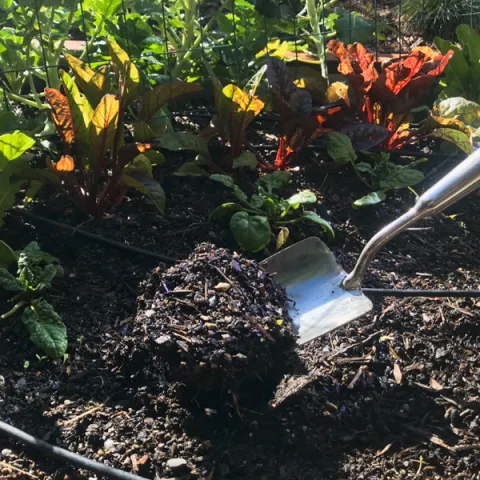
Rich soil is a necessity in a vegetable garden. Photo: Gael Perrin

Edible crops prefer fertile, loamy soil that drains well and holds water on hot days. 

A layer of mulch  

Use mulch to protect against moisture loss, suppress weeds, and keep plant roots cool in hot weather. Learn more.
 

Easy access to water 
Be sure there is an easily accessible faucet and hose near the edible garden. Photo: pxhere

Be sure a nearby faucet and hose is easily accessible. Use a ->drip irrigation system if possible. 


Ample air flow but not too windy  

Choose a site that has air movement but not high winds.
 

Level topography 

A level garden is the easiest to prepare, plant, irrigate, maintain and harvest. On slopes, consider constructing level terraces or raised beds so that water does not pool or run off. Many edibles can be grown successfully in containers. 
 

Adequate drainage  

Avoid low areas where water may pool or where ground water stands. Poorly drained soils may create anaerobic soil conditions with inadequate air (evidence: stinky soil). Look for moving surface water and correct if possible (evidence: erosion, exposed tree roots, channels in soil). Redirect drainage as necessary. 

Easy access 

A conveniently located edible garden encourages frequent visits for care and enjoyment.  

A well thought out location

Mitigate any potential problems before you plant. Raised beds solve many problems.
Identify limitations above ground: wires, structures, street lamps, trees and structures  that cast shade, eaves, setbacks, and easements.
• Identify limitations below ground: utilities, plumbing, roots, bedrock, groundwater, etc. 
 

Crops growing at the correct time

A planting calendar is a vegetable gardener's best friend. 
 

Safe food growing and handling

Use best practices to ensure your crops are as safe as they are delicious.  


> Visit our Edible Demonstration Garden at IVC Organic Farm & Garden in Novato!
Primary Image
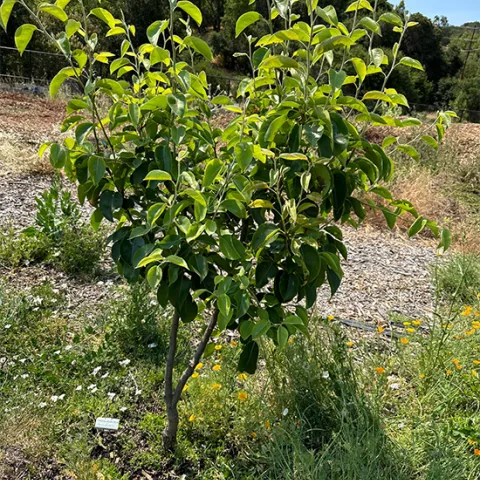
This Asian pear tree has been pruned for optimum size and shape.
UC Marin Master Gardeners: Article

July 2024: Fruit Tree Maintenance

June 24, 2024
All fruit trees require pruning for optimum vigor and fruit production. Pruning is also a way to control tree size, making care and harvesting easier.
View Article
Primary Image
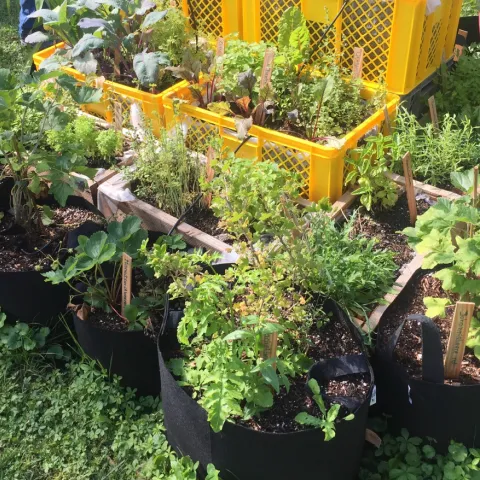
A combination of grow bags and other containers can be used to create a portable edible garden
UC Marin Master Gardeners: Article

June 2024: Growing Edibles in Containers

May 24, 2024
Maximizing the use of space to grow edibles is always a consideration in the Edible Demonstration Garden. Planting veggies in containers has proven to be an excellent way to expand the gardens growing capacity...
View Article
Primary Image
Garden soil can look healthy and still be lacking in nutrients essential for optimum plant growth
UC Marin Master Gardeners: Article

April 2024: The Importance of Soil Testing

March 23, 2024
The soil in the Edible Demo Garden gets a lot of attention. Compost and organic amendments are added regularly. Moisture levels are monitored, and rainwater is supplemented with drip irrigation and hand watering.
View Article
Primary Image
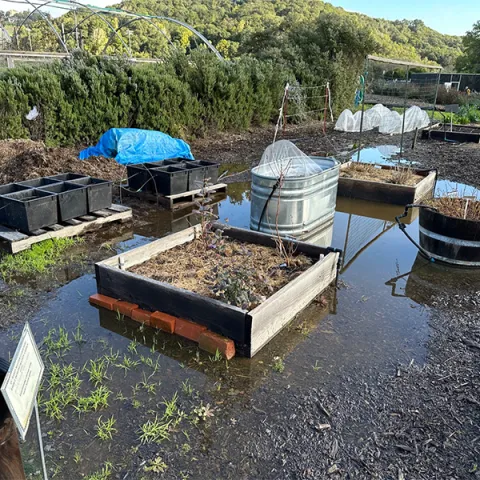
The flooded garden needed time to dry out after the February rains.
UC Marin Master Gardeners: Article

March 2024: Making Soil for Seeds

February 26, 2024
The rain in February flooded the areas around the garden beds in the Edible Demo Garden. Volunteers were busy digging trenches to redirect the water away from the planted areas and salvaging any crops that were still productive.
View Article
Primary Image
yeararoundgardening
UC Marin Master Gardeners: Article

February 2024: Rotating Crops

January 27, 2024
While the rains limited some of the garden work during January, it was the perfect time to assess the condition of the garden beds and plan for the spring and summer crops.
View Article
Primary Image
Almost all artichokes sold commercially in the US are grown in California Credit: rawpixel
UC Marin Master Gardeners: Article

January 2024: Planting Time for Artichokes

December 26, 2023
While artichokes may not be on every gardeners cool season vegetable list, they are fun to grow, and December is the right time to plant them for an early spring crop.
View Article
Primary Image
Caption: Buckwheat is a non-legume cover crop that helps to improve the soil in preparation for spring planting.
UC Marin Master Gardeners: Article

December 2023: Caring for the Soil

November 28, 2023
After the fall harvest was over, it was time to clean up and replenish the soil in the Edible Demo Garden. Healthy soil is fundamental to the success of the next seasons crops.
View Article
Primary Image
Eggplant varieties differ in size, shape, and color Photo Credit: flickr
UC Marin Master Gardeners: Article

November 2023: The Versatile Eggplant

November 6, 2023
There is always room for eggplant in the summer Edible Demo Garden. Its an attractive well-behaved plant that doesnt sprawl or climb and it thrives in...
View Article