mg-logo
UC Marin Master Gardeners

What Edible Gardens Need

 
What Does an Edible Garden Need? 

Growing a successful edible garden takes planning, correct timing, and a little know-how. But once you have it down it is such a pleasure to eat homegrown produce fresh from the garden. Here's what you need to get started.

Priscilla du Preez, Unsplash
Plenty of sun

Choose a site with a minimum of six hours of full sun -- eight to ten hours is even better. Southern exposure is ideal. Most edible plants prefer full sun; however, root and leafy crops can tolerate light shade. 
 

Climate that's a good fit for what you're growing

Know your ->climate zone 
Assess your ->microclimate
Be aware of frost dates

Most edibles prefer to be grown during frost-free periods, which vary within Marin’s many microclimates. For a rule of thumb, begin watching for frost around Thanksgiving and consider planting frost sensitive edibles after St. Patrick’s Day. (These dates are derived from 30 years of historical data from the National Oceanic Atmospheric Administration). Many cool season crops may be planted before the end of winter frost, including beets, broccoli, cabbage, carrots, chard and kale. Check seed packets for instructions. 

Rich soil 
Rich soil is a necessity in a vegetable garden. Photo: Gael Perrin

Edible crops prefer fertile, loamy soil that drains well and holds water on hot days. 

A layer of mulch  

Use mulch to protect against moisture loss, suppress weeds, and keep plant roots cool in hot weather. Learn more.
 

Easy access to water 
Be sure there is an easily accessible faucet and hose near the edible garden. Photo: pxhere

Be sure a nearby faucet and hose is easily accessible. Use a ->drip irrigation system if possible. 


Ample air flow but not too windy  

Choose a site that has air movement but not high winds.
 

Level topography 

A level garden is the easiest to prepare, plant, irrigate, maintain and harvest. On slopes, consider constructing level terraces or raised beds so that water does not pool or run off. Many edibles can be grown successfully in containers. 
 

Adequate drainage  

Avoid low areas where water may pool or where ground water stands. Poorly drained soils may create anaerobic soil conditions with inadequate air (evidence: stinky soil). Look for moving surface water and correct if possible (evidence: erosion, exposed tree roots, channels in soil). Redirect drainage as necessary. 

Easy access 

A conveniently located edible garden encourages frequent visits for care and enjoyment.  

A well thought out location

Mitigate any potential problems before you plant. Raised beds solve many problems.
Identify limitations above ground: wires, structures, street lamps, trees and structures  that cast shade, eaves, setbacks, and easements.
• Identify limitations below ground: utilities, plumbing, roots, bedrock, groundwater, etc. 
 

Crops growing at the correct time

A planting calendar is a vegetable gardener's best friend. 
 

Safe food growing and handling

Use best practices to ensure your crops are as safe as they are delicious.  


> Visit our Edible Demonstration Garden at IVC Organic Farm & Garden in Novato!
Primary Image
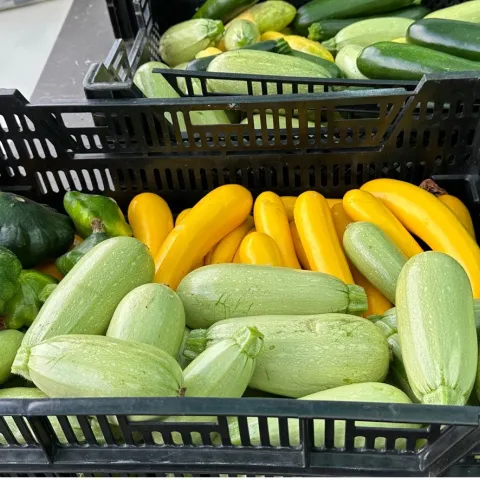
Summer squash are tastiest when they are picked while small.
UC Marin Master Gardeners: Article

October 2023: An Abundance of Squash

September 27, 2023
The summer harvest was in full swing in the Edible Demo Garden in September. Volunteers harvested beans, tomatoes, cucumbers, eggplant, peppers, and lots of summer squash...
View Article
UC Marin Master Gardeners: Article

March 2023: Straw Bale Gardening

August 25, 2023
Setting up straw bales for growing spring and summer veggies has become an annual event in the Edible Demonstration Garden. Over the years, a number of different edibles have been tried in the straw bales but the most successful have been....
View Article
Primary Image
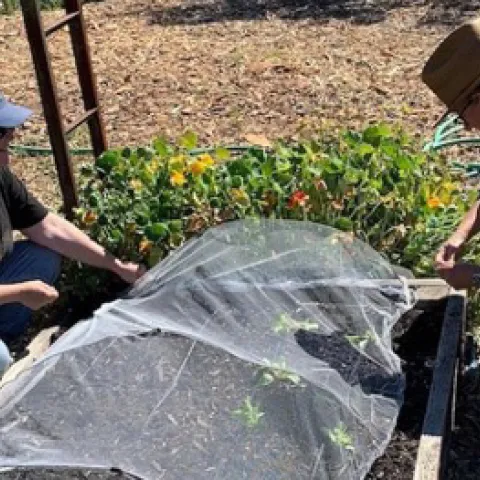
Tender plants are covered in tulle to protect against bird damage
UC Marin Master Gardeners: Article

April 2023: A Year in the Garden

August 25, 2023
Located in a corner of the Indian Valley College Organic Farm and Garden, the MMG Edible Demonstration Garden was created in 2016 by Marin Master Gardeners in collaboration with IVC to build knowledge and provide hands on experience in organically growing a variety of edible plants.
View Article
Primary Image
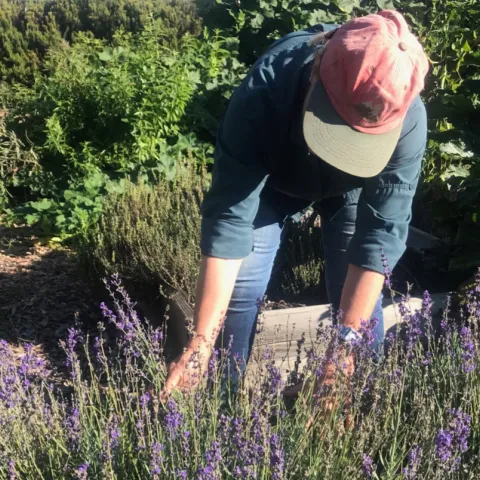
Time spent monitoring and caring for plants in an organic garden can be very satisfying.
UC Marin Master Gardeners: Article

June 2023: Gardening Organically

August 25, 2023
Its often the desire to avoid pesticides that makes organically grown produce especially appealing. Pesticides can be a health risk not only for consumers, but also for those who grow, harvest, and distribute food crops...
View Article
Primary Image
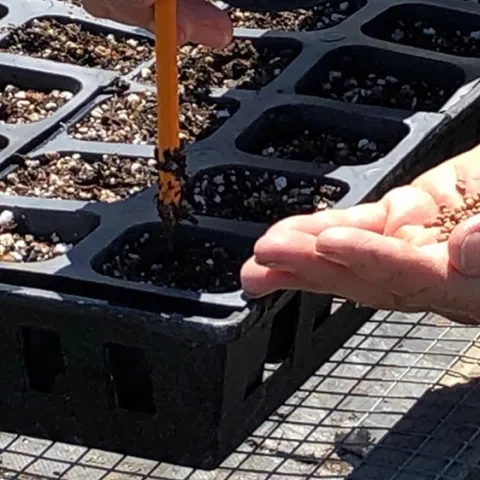
Planting begins with a tray full of seeding mix. A pencil is a handy tool for pushing seed down to the right depth.
UC Marin Master Gardeners: Article

September 2023: Starting With Seeds

August 25, 2023
All the annual edibles in the Demo Garden, with a few exceptions such as potatoes and garlic, started as seeds. Planting seeds is a year around activity for garden volunteers...
View Article
Primary Image
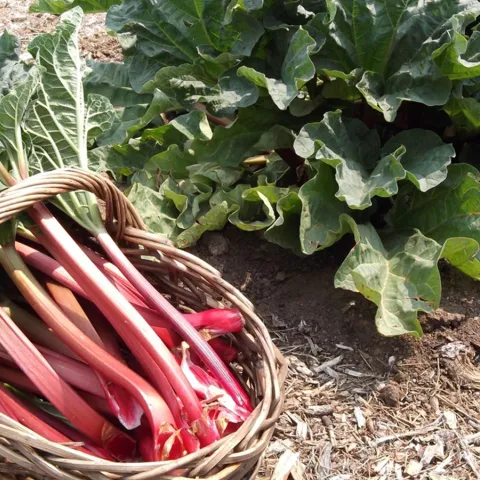
Rhubarb needs some winter chill to produce thick, bright red leaf stalks. Photo: Wikimedia commons
UC Marin Master Gardeners: Article

August 2023: In Praise of Rhubarb

July 27, 2023
Visitors to the Edible Demo Garden often dont recognize the large attractive plants with the big, bright green leaves growing in a corner garden bed...
View Article
Primary Image
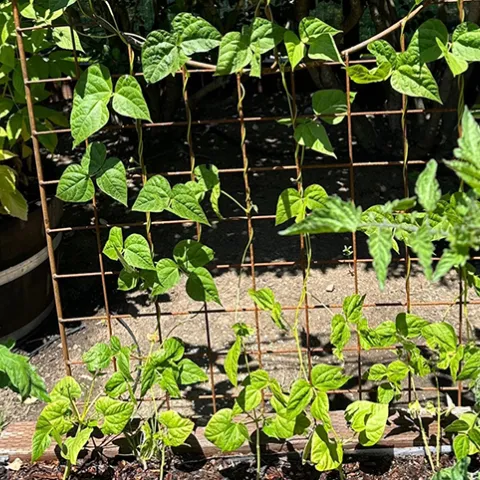
Pole beans and indeterminate tomato varieties grow best with sturdy support
UC Marin Master Gardeners: Article

July 2023: Trellises for Plants that like to Climb

June 26, 2023
Last month volunteers worked on building permanent trellises for several garden beds. Constructed of metal stakes and heavy wire, the trellises will provide strong support for beans, peas, cucumbers, and other climbing edible plants...
View Article
Primary Image
House finches are frequent garden raiders when breeding and raising young. Photo: Pixnio
UC Marin Master Gardeners: Article

May 2023: Sharing the Garden with Birds

May 1, 2023
Despite the cool wet start to spring, it was time to plant summer veggies. The straw bales were fully seasoned and waiting for plants and the seedlings in the greenhouse were ready for planting...
View Article
Primary Image
Grow bags combine well with other containers and make it possible to grow edibles where space is limited. Photo: Wikimedia commons
UC Marin Master Gardeners: Article

February 2023: Growing Veggies in Bags

February 1, 2023
A primary purpose for the Edible Demonstration Garden is to show how many ways fruits and vegetables can successfully be grown in Marin. Deciding what and where to plant is an ongoing endeavor requiring a combination of knowledge, experience and a lets try it attitude...
View Article
Primary Image
The worms that are best for producing compost are the redworms or red wigglers. Marty Nelson
UC Marin Master Gardeners: Article

January 2023: Welcoming Worms

December 27, 2022
Finding earthworms when turning over soil in the Edible Demo Garden beds is a cause for celebration. Earthworms gravitate to improved soil, so their appearance is an indication that the soil is healthy and is providing the food and moisture that the worms like.
View Article