A Natural Solution for California's Herds: African Catfish Peptides

California's cattle producers and agricultural communities are all too familiar with the rising challenge of antibiotic resistance, making common bacterial infections harder to treat in livestock. But imagine a future where we could tackle these infections with a natural, powerful alternative. Our research points to just that: antimicrobial peptides (AMPs) found in African catfish.

We're really excited about these peptides because African catfish thrive in pathogen-rich freshwater, naturally producing these robust immune compounds in their skin mucus as a defense. This natural origin makes them highly appealing alternatives to synthetic drugs.

Predicted Safety and Potent Action

One of the most compelling aspects of these AMPs is their predicted safety for mammals. Our initial computer analyses suggest that various catfish AMPs are generally recognized as safe (GRAS). We predict they'll be absorbed in the human intestine without causing liver, brain, or heart toxicity. Furthermore, lab tests on a promising peptide, NACAP-II, confirmed it was non-hemolytic, meaning it didn't damage rabbit red blood cells—a strong indicator of its potential safety for mammalian cells.

Beyond safety, these peptides demonstrate effectiveness against problematic bacteria. One study revealed NACAP-II's strong activity against Extended-Spectrum Beta-Lactamase (ESBL)-producing Escherichia coli—a critical concern for both animal and human health due to its resistance to many common antibiotics. Another peptide, ACAP-IV, also showed antibacterial activity against E. coli and Staphylococcus aureus. We believe these AMPs work by directly disrupting bacterial cell membranes, a mechanism that makes it harder for bacteria to develop resistance compared to how they resist traditional antibiotics.
Primary Image
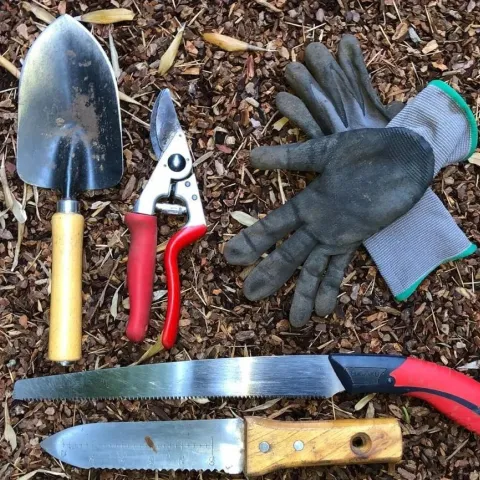
Fall is the perfect time to get your garden ready for its brief winter rest.
UC Master Gardeners of Santa Clara County: Page

Tool Care Tips

Basic care instructions for cleaning and sharpening your gardening tools, including recommendations for a yearly inspection, labeling tools, and wearing protective clothing.
View Page
Primary Image
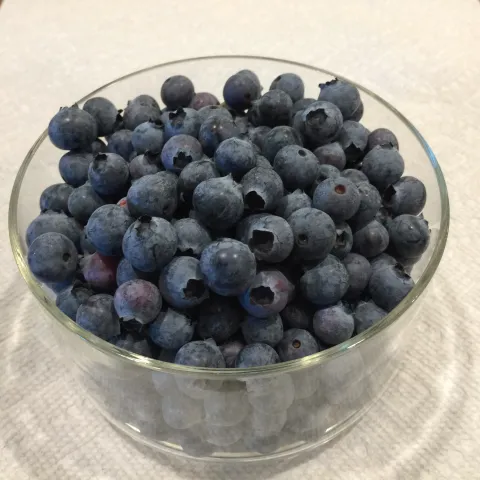
Bowl of blueberries
UC Master Gardeners of Santa Clara County: Page

Blueberries: 1997 Santa Clara County Trials

In February 1997, a group of Master Gardener volunteers established a variety trial to evaluate 15 varieties of blueberries in a replicated trial. This was conducted at the Bay Area Research and Extension Center of the University of California located in the City of Santa Clara near Valley Fair Shopping…
View Page
Primary Image
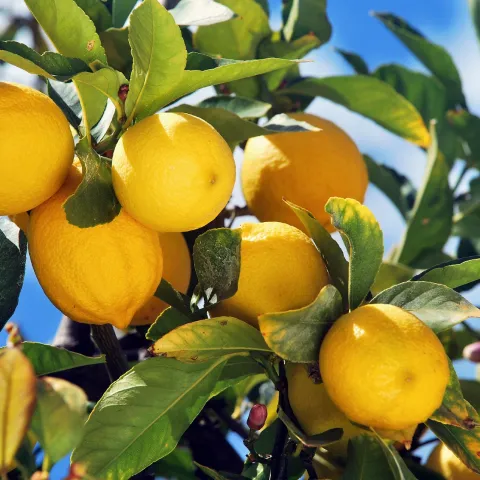
Lemons picture from UC ANR Monterey Bay
UC Master Gardeners of Santa Clara County: Page

Citrus

When to plant: Citrus can be planted almost any time of year. The best time is after the last frost in spring (mid-March) Harvest window: Year-round, depending on variety Fertilization: Nitrogen in January, again in May/June timeframe. Monitor for zinc, iron, and other micronutrient deficiencies and…
View Page
Primary Image
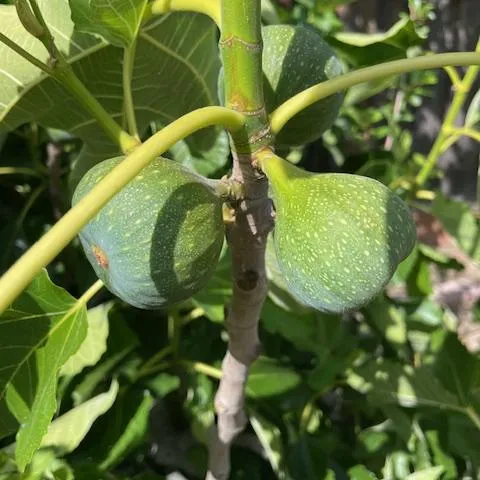
fig tree, Sharon McCray
UC Master Gardeners of Santa Clara County: Page

Fig

When to plant: Early spring, while still dormant Harvest window: Many will yield fruit during two windows: May to June, then again August to October, depending on variety. Here is a video on how to harvest figs. Fertilization: If needed, a light application of nitrogen in early spring, while the tree is…
View Page
Primary Image
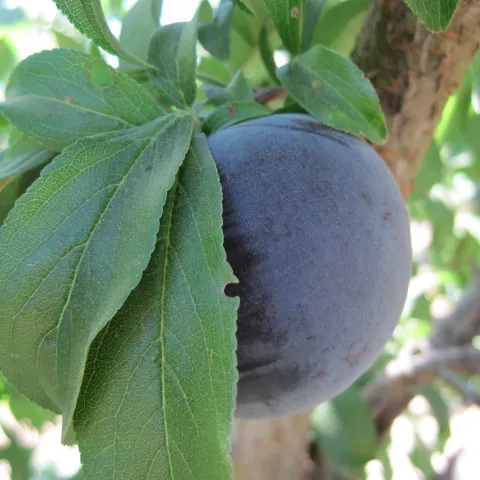
Plum on tree
UC Master Gardeners of Santa Clara County: Page

Plum and Prune

When to plant: January to March Harvest window: June to October, depending on variety Fertilization: Nitrogen in spring and fall, additional applications based on tree age, health, and soil quality Dormant Pruning (January to February) to encourage vigor; Summer pruning (post-harvest) to control vigor.
View Page
Primary Image
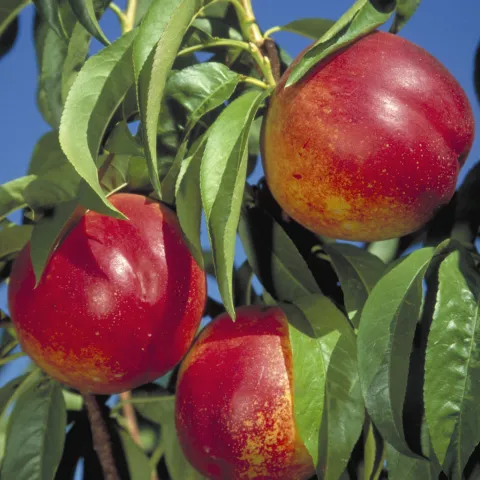
Nectarines on tree
UC Master Gardeners of Santa Clara County: Page

Nectarine

When to plant: January to March Harvest window: June to September, depending on variety Fertilization: Nitrogen in spring and fall, additional applications based on tree age, health, and soil quality Dormant Spray (December to February): depending on disease pressure, consider dormant sprays to control…
View Page
Primary Image
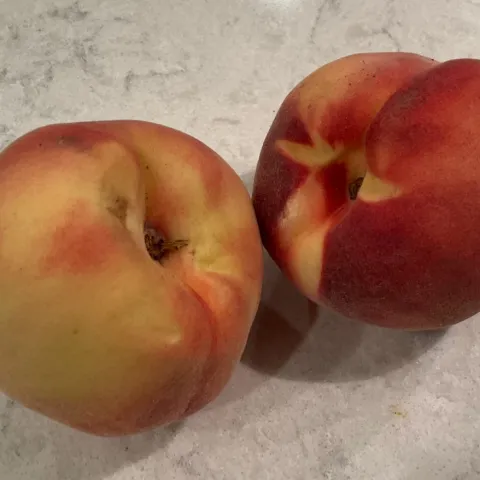
White Peaches by Brian Okamoto
UC Master Gardeners of Santa Clara County: Page

Peach

When to plant: January to March Harvest window: June to October, depending on variety Fertilization: Nitrogen in spring and fall, additional applications based on tree age, health, and soil quality Dormant Spray (December to February): depending on disease pressure, consider dormant sprays to control for…
View Page
Primary Image
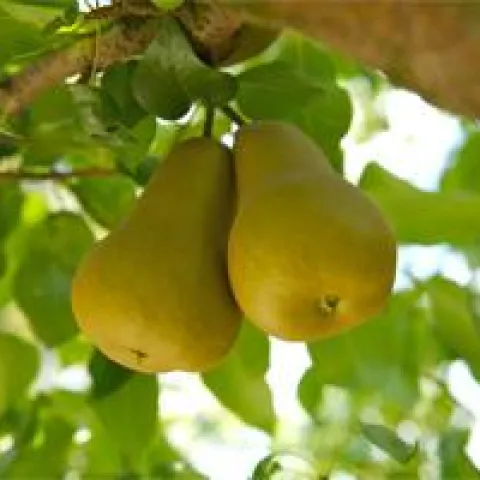
Pears on tree
UC Master Gardeners of Santa Clara County: Page

Pear

When to plant: January to March Harvest window: August to October, depending on variety Fertilization: Nitrogen in spring and fall, additional applications based on tree age, health, and soil quality Dormant sprays as needed to control scale, aphids, mites, and overwintering psylla.
View Page
Primary Image
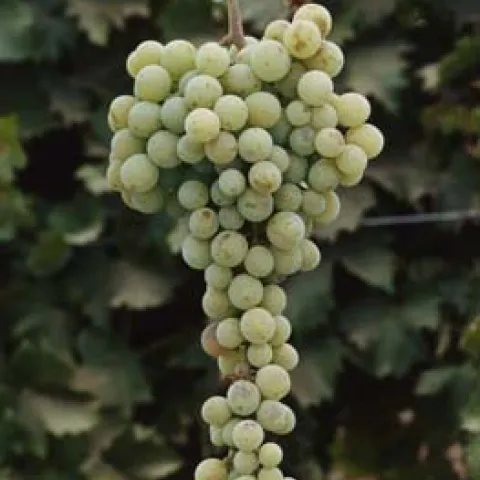
Muscat Grapes. Photo CA Garden Web
UC Master Gardeners of Santa Clara County: Page

Grapes

When to plant: February to March Harvest window: July to October, depending on variety Fertilization: Light (if any) nitrogen in the spring; monitor for possible zinc and potassium needs Prune in the dormant season, using the pruning system (cane or spur pruning) based on the grape variety.
View Page
Primary Image
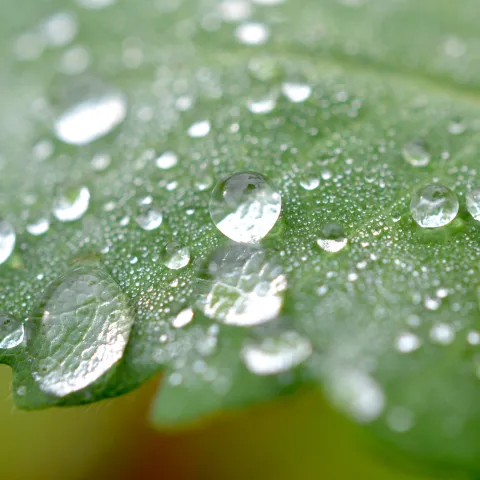
Beads of water on a green leaf, Canva image
UC Master Gardeners of Santa Clara County: Page

Watering Hydrophobic Soil

Many potting soils become hydrophobictending to repel waterwhen they dry out, and are difficult to re-wet. Gardeners may see water draining out the bottom of a pot and assume that means that the soil is saturated.
View Page