A Natural Solution for California's Herds: African Catfish Peptides

California's cattle producers and agricultural communities are all too familiar with the rising challenge of antibiotic resistance, making common bacterial infections harder to treat in livestock. But imagine a future where we could tackle these infections with a natural, powerful alternative. Our research points to just that: antimicrobial peptides (AMPs) found in African catfish.

We're really excited about these peptides because African catfish thrive in pathogen-rich freshwater, naturally producing these robust immune compounds in their skin mucus as a defense. This natural origin makes them highly appealing alternatives to synthetic drugs.

Predicted Safety and Potent Action

One of the most compelling aspects of these AMPs is their predicted safety for mammals. Our initial computer analyses suggest that various catfish AMPs are generally recognized as safe (GRAS). We predict they'll be absorbed in the human intestine without causing liver, brain, or heart toxicity. Furthermore, lab tests on a promising peptide, NACAP-II, confirmed it was non-hemolytic, meaning it didn't damage rabbit red blood cells—a strong indicator of its potential safety for mammalian cells.

Beyond safety, these peptides demonstrate effectiveness against problematic bacteria. One study revealed NACAP-II's strong activity against Extended-Spectrum Beta-Lactamase (ESBL)-producing Escherichia coli—a critical concern for both animal and human health due to its resistance to many common antibiotics. Another peptide, ACAP-IV, also showed antibacterial activity against E. coli and Staphylococcus aureus. We believe these AMPs work by directly disrupting bacterial cell membranes, a mechanism that makes it harder for bacteria to develop resistance compared to how they resist traditional antibiotics.
Primary Image
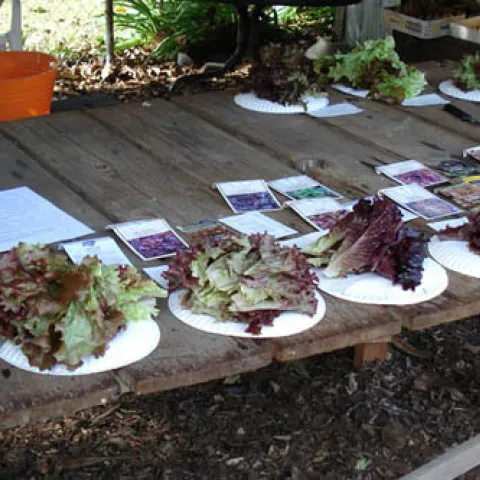
Lettuce tasting
UC Master Gardeners of Santa Clara County: Page

Redleaf Looseleaf Lettuce Trial

We compared thirteen varieties of red looseleaf lettuce to determine the best production and taste. All of the varieties were very healthy and pretty to look at. Flame and Cardinale were judged the best at the tasting, Sunset and Bronze Arrow were tied for second and Susan’s Red Bibb was third. The very…
View Page
Primary Image
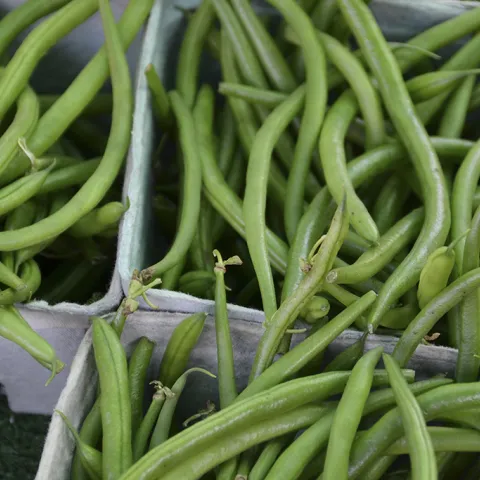
Fresh picked green beans (Photo: UC, Evett Kilmartin)
UC Master Gardeners of Santa Clara County: Page

Beans

Beans are a warm weather crop that comes in bush and pole varieties. Bush varieties generally produce sooner but may stop after a few flushes, while pole varieties will continue producing into the fall. Pole beans require tall supports (6 to 10-feet) that they can twine around.
View Page
Primary Image
Fresh vegetables, primarily purple eggplants, at a farmers market
UC Master Gardeners of Santa Clara County: Page

Eggplant

Eggplants require warm to hot weather throughout the season for good production. Hot caps or row covers can be used to elevate temperatures. Planting in a container will also help in absorbing heat.
View Page
Primary Image
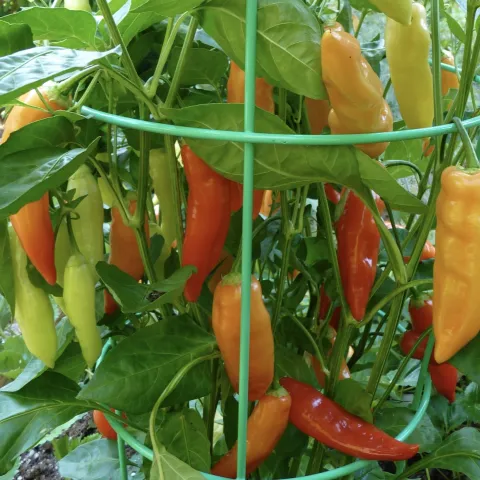
Summer peppers, Candace Simpson
UC Master Gardeners of Santa Clara County: Page

Peppers/chiles

Peppers and chiles are warm weather lovers that range from sweet and mild to fiery hot. Transplant in May to June, possibly late April. For best results, wait until daytime temperatures are regularly over 75°F. If growing your own seedlings, start the seeds 8 weeks before you want to plant.
View Page
Primary Image
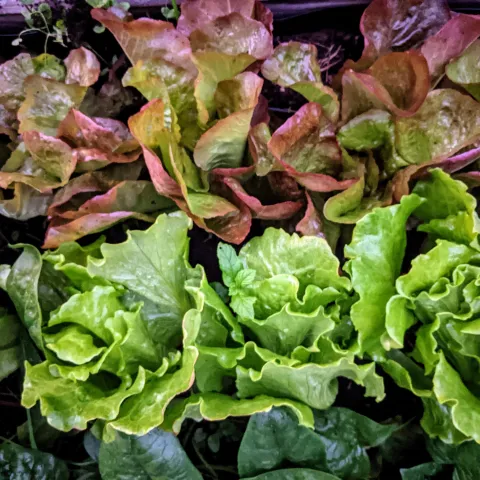
Lettuce by Donna Lee
UC Master Gardeners of Santa Clara County: Page

Lettuce

Lettuce is usually grown as a cool-season crop in Santa Clara County. If grown in the summer, it’s recommended to plant where it will get shade from other crops or trees and to select temperature-tolerant, slow-bolting varieties. Lettuce is a shallow-rooted plant, which requires frequent watering when there…
View Page
Primary Image
Lettuce by Donna Lee
UC Master Gardeners of Santa Clara County: Page

Lettuce

Lettuce is usually grown as a cool-season crop in Santa Clara County. If grown in the summer, it’s recommended to plant where it will get shade from other crops or trees and to select temperature-tolerant, slow-bolting varieties. Lettuce is a shallow-rooted plant, which requires frequent watering when there…
View Page
Primary Image
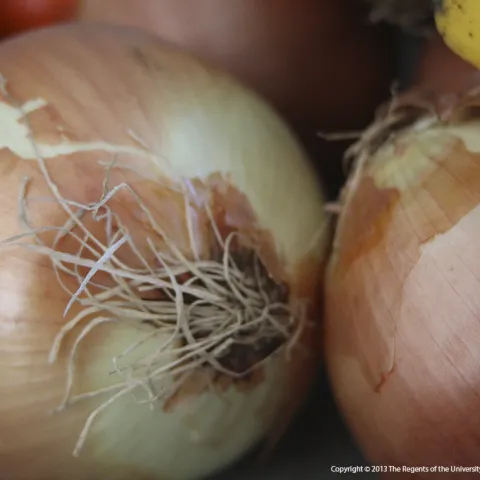
Yellow Onions (Photo: Evett Kilmartin)
UC Master Gardeners of Santa Clara County: Page

Onions

Onions can be divided into two categories: strong-flavored ones that store well and mild, sweet ones that don’t last long in storage. There are yellow, white, and red varieties in both categories.
View Page
Primary Image
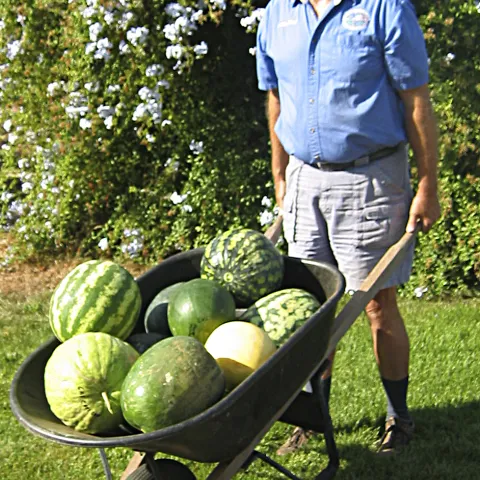
Watermelons in wheelbarrow
UC Master Gardeners of Santa Clara County: Page

Melons

Melons are heat lovers that need full sun and high temperatures. Black plastic or black landscaping fabric can be used to keep the soil warm and weed-free. Cover the plants with floating row covers to keep them warm and protected from pests. Remove the row covers when the plants start to blossom.
View Page
Primary Image
Watermelons in wheelbarrow
UC Master Gardeners of Santa Clara County: Page

Melons

Melons are heat lovers that need full sun and high temperatures. Black plastic or black landscaping fabric can be used to keep the soil warm and weed-free. Cover the plants with floating row covers to keep them warm and protected from pests. Remove the row covers when the plants start to blossom.
View Page
Primary Image
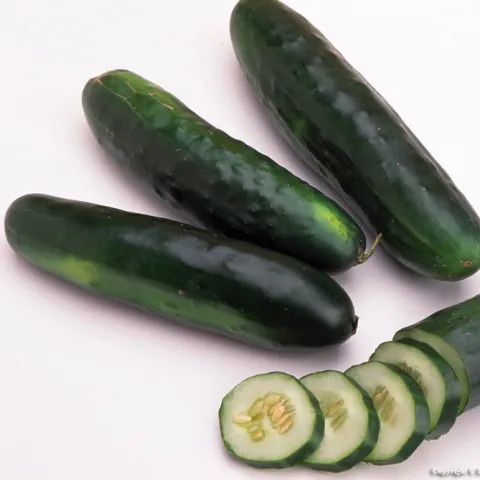
Cucumbers
UC Master Gardeners of Santa Clara County: Page

Cucumbers

Cucumbers are vining plants and members of the cucurbit family. Train vining cucumbers up a trellis, fence or another kind of support for easier harvest, straighter fruits, and to prevent diseases. If your garden lacks pollinators, you can pollinate by hand. Consider planting flowers that attract beneficial…
View Page