A Natural Solution for California's Herds: African Catfish Peptides

California's cattle producers and agricultural communities are all too familiar with the rising challenge of antibiotic resistance, making common bacterial infections harder to treat in livestock. But imagine a future where we could tackle these infections with a natural, powerful alternative. Our research points to just that: antimicrobial peptides (AMPs) found in African catfish.

We're really excited about these peptides because African catfish thrive in pathogen-rich freshwater, naturally producing these robust immune compounds in their skin mucus as a defense. This natural origin makes them highly appealing alternatives to synthetic drugs.

Predicted Safety and Potent Action

One of the most compelling aspects of these AMPs is their predicted safety for mammals. Our initial computer analyses suggest that various catfish AMPs are generally recognized as safe (GRAS). We predict they'll be absorbed in the human intestine without causing liver, brain, or heart toxicity. Furthermore, lab tests on a promising peptide, NACAP-II, confirmed it was non-hemolytic, meaning it didn't damage rabbit red blood cells—a strong indicator of its potential safety for mammalian cells.

Beyond safety, these peptides demonstrate effectiveness against problematic bacteria. One study revealed NACAP-II's strong activity against Extended-Spectrum Beta-Lactamase (ESBL)-producing Escherichia coli—a critical concern for both animal and human health due to its resistance to many common antibiotics. Another peptide, ACAP-IV, also showed antibacterial activity against E. coli and Staphylococcus aureus. We believe these AMPs work by directly disrupting bacterial cell membranes, a mechanism that makes it harder for bacteria to develop resistance compared to how they resist traditional antibiotics.
Primary Image
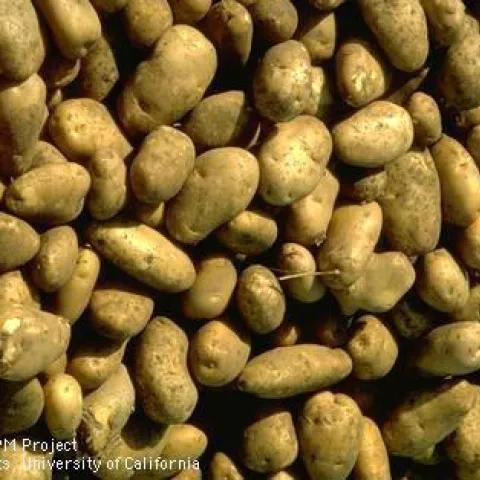
Photo: UC, Jack Kelly Clark
UC Master Gardeners of Santa Clara County: Page

Potatoes

Potatoes are tubers that grow underground from the stem of the plant. While it's possible to grow potatoes from seed, most gardeners plant pieces cut from seed potatoes. Ensure that each cut piece includes an 'eye'. Allow the pieces to dry for 1 to 3 days before planting. Use certified seed potatoes rather…
View Page
Primary Image
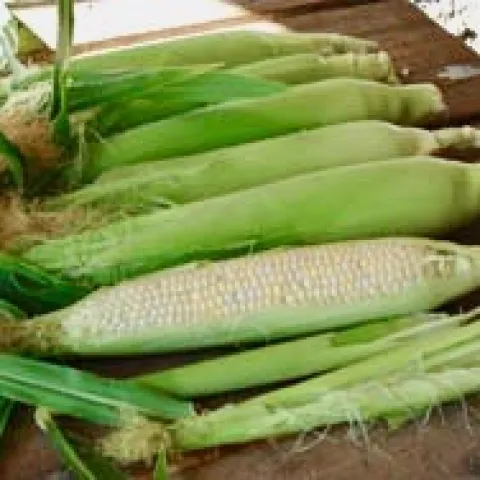
Harvested corn, Peaches and Cream variety
UC Master Gardeners of Santa Clara County: Page

Corn

Sweet corn harvested straight from the garden is a delicious treat, but can be challenging for home gardeners to grow. Corn is wind-pollinated, so planting in blocks of at least 3 to 4 short rows may result in better pollination than one or two long rows. Each stalk produces one or two ears.
View Page
Primary Image
Photo: UC, Jose Aguiar
UC Master Gardeners of Santa Clara County: Page

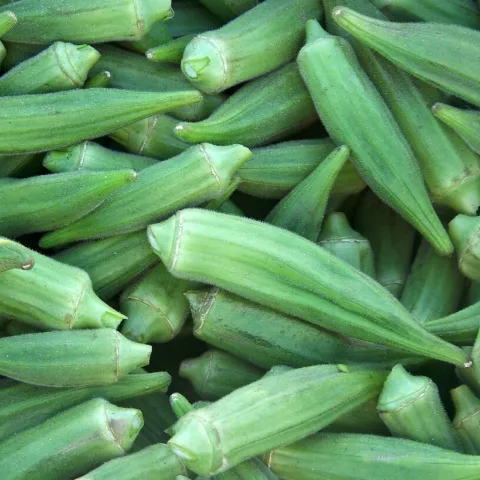
Okra

Okra grows on tall, bushy plants with ornamental leaves and flowers. The red varieties are particularly dramatic in the garden. Both the air temperature and the ground must be warm for this heat lover to thrive. Tall varieties may need to be staked.
View Page
Primary Image
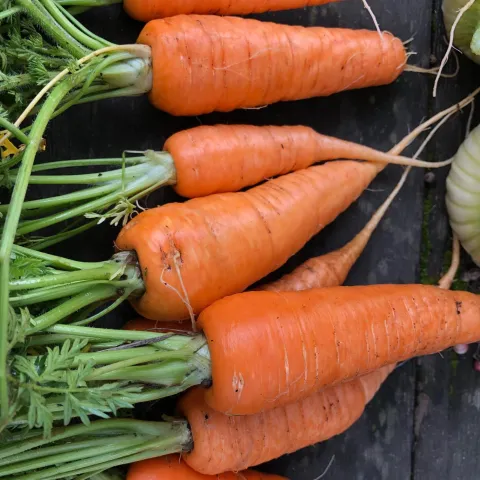
Carrots_MAY_PADG
UC Master Gardeners of Santa Clara County: Page

Carrots

Carrots are a root vegetable that grow well in the spring or fall. They require loose, fine soil for straight, unforked roots.
View Page
Primary Image
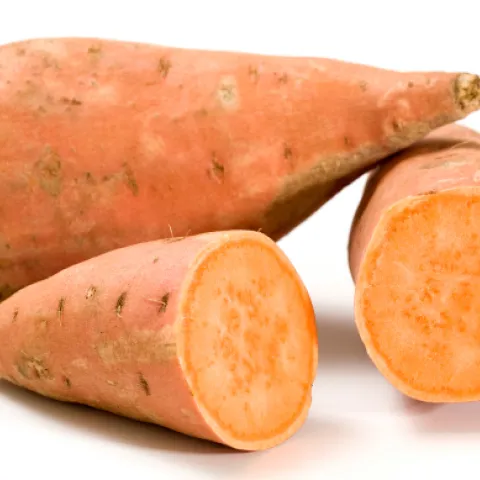
Sweet Potatoes, by Karen Schaffer
UC Master Gardeners of Santa Clara County: Page

Sweet Potatoes

Sweet potatoes are grown from ‘slips’, the term for sprouts from a sweet potato. Due to pest quarantines, most nursery companies cannot ship slips to California. But they are easy to grow yourself. Start slip production in February to March. Transplant to garden in May to June.
View Page
Primary Image
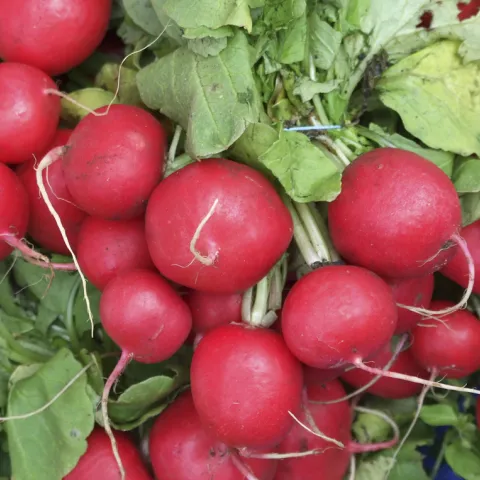
Bunch of red radishes, MorgueFile free photo
UC Master Gardeners of Santa Clara County: Page

Radishes

Radishes are usually grown for their crisp, spicy roots, but the entire plant is also edible. The tops can be eaten like turnip or mustard greens, and some varieties are even grown for edible seed pods.
View Page
Primary Image
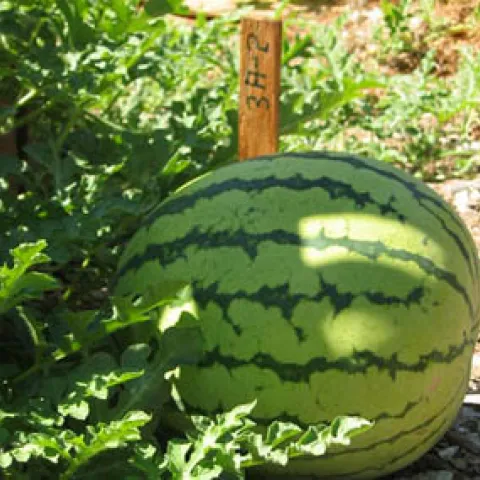
Small watermelon
UC Master Gardeners of Santa Clara County: Page

Watermelon

Watermelon are large vining plants that need lots of sun, water, and room to ramble in full sun. Transplant or direct seed in May to June. For best results, wait until daytime temperatures are regularly over 75°F and soil temperature is over 70°F. If growing your own seedlings, start the seeds 4 weeks before…
View Page
Primary Image
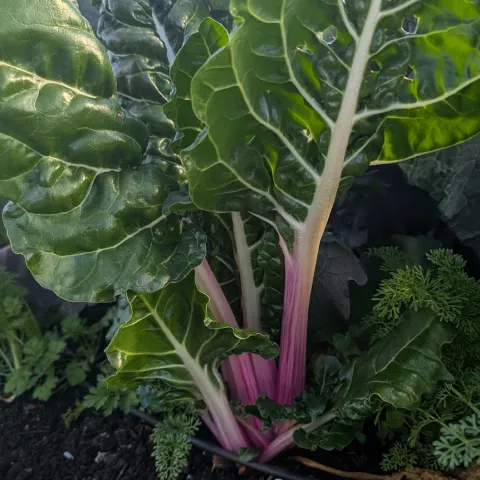
Veg-Chard-Peppermint-Stick-MG-Ying-Chen-2
UC Master Gardeners of Santa Clara County: Page

Chard

Chard is a leafy green that is related to beets. It can be grown year round in Santa Clara County. Direct seed or transplant seedlings in February to May or September to October. Outer leaves can be harvested continuously as soon as the plant is well established. Harvest by cutting or breaking away a few of…
View Page
Primary Image
Veg-Chard-Peppermint-Stick-MG-Ying-Chen-2
UC Master Gardeners of Santa Clara County: Page

Chard

Chard is a leafy green that is related to beets. It can be grown year round in Santa Clara County. Direct seed or transplant seedlings in February to May or September to October. Outer leaves can be harvested continuously as soon as the plant is well established. Harvest by cutting or breaking away a few of…
View Page
Primary Image
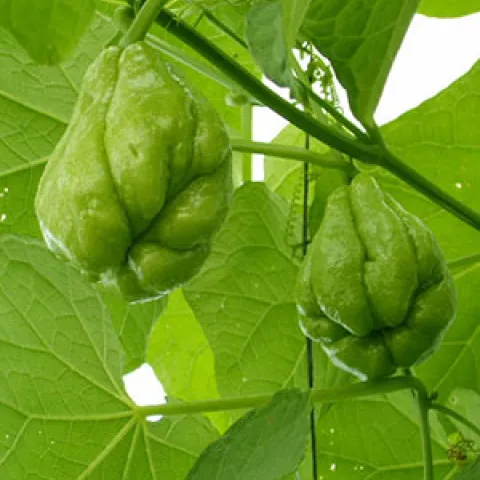
Photo: University of Florida, Institute of Food & Agricultural Sciences
UC Master Gardeners of Santa Clara County: Page

Chayote

Chayote, a member of the cucurbit family (along with cucumber, melons, and squash), is a perennial vine which produces edible vegetables used in cooking and used raw in salads and salsas. Plant seed or sprouted fruit in May to September, possibly April or October.
View Page