A Natural Solution for California's Herds: African Catfish Peptides

California's cattle producers and agricultural communities are all too familiar with the rising challenge of antibiotic resistance, making common bacterial infections harder to treat in livestock. But imagine a future where we could tackle these infections with a natural, powerful alternative. Our research points to just that: antimicrobial peptides (AMPs) found in African catfish.

We're really excited about these peptides because African catfish thrive in pathogen-rich freshwater, naturally producing these robust immune compounds in their skin mucus as a defense. This natural origin makes them highly appealing alternatives to synthetic drugs.

Predicted Safety and Potent Action

One of the most compelling aspects of these AMPs is their predicted safety for mammals. Our initial computer analyses suggest that various catfish AMPs are generally recognized as safe (GRAS). We predict they'll be absorbed in the human intestine without causing liver, brain, or heart toxicity. Furthermore, lab tests on a promising peptide, NACAP-II, confirmed it was non-hemolytic, meaning it didn't damage rabbit red blood cells—a strong indicator of its potential safety for mammalian cells.

Beyond safety, these peptides demonstrate effectiveness against problematic bacteria. One study revealed NACAP-II's strong activity against Extended-Spectrum Beta-Lactamase (ESBL)-producing Escherichia coli—a critical concern for both animal and human health due to its resistance to many common antibiotics. Another peptide, ACAP-IV, also showed antibacterial activity against E. coli and Staphylococcus aureus. We believe these AMPs work by directly disrupting bacterial cell membranes, a mechanism that makes it harder for bacteria to develop resistance compared to how they resist traditional antibiotics.
Primary Image
SMall chalkboard with he words "Gardening Tips" handwritten on it
UC Master Gardeners of Santa Clara County: Page

May Tips

May gardening tips for Santa Clara County, categorized by To-Dos, What to Plant, or Pests and Diseases. Tips are available for each month, as well as tips that are applicable for every month.
View Page
Primary Image
SMall chalkboard with he words "Gardening Tips" handwritten on it
UC Master Gardeners of Santa Clara County: Page

June Tips

June gardening tips for Santa Clara County, categorized by To-Dos, What to Plant, or Pests and Diseases. Tips are available for each month, as well as tips that are applicable for every month.
View Page
Primary Image
SMall chalkboard with he words "Gardening Tips" handwritten on it
UC Master Gardeners of Santa Clara County: Page

July Tips

July gardening tips for Santa Clara County, categorized by To-Dos, What to Plant, or Pests and Diseases. Tips are available for each month, as well as tips that are applicable for every month.
View Page
Primary Image
SMall chalkboard with he words "Gardening Tips" handwritten on it
UC Master Gardeners of Santa Clara County: Page

August Tips

August gardening tips are categorized by To-Dos, What to Plant, or Pests and Diseases. Scroll through the list to see items in each category. Also, refer to tips for other months or our list of tips useful for any month.
View Page
Primary Image
SMall chalkboard with he words "Gardening Tips" handwritten on it
UC Master Gardeners of Santa Clara County: Page

September Tips

September gardening tips for Santa Clara County, categorized by To-Dos, What to Plant, or Pests and Diseases. Tips are available for each month, as well as tips that are applicable for every month.
View Page
Primary Image
SMall chalkboard with he words "Gardening Tips" handwritten on it
UC Master Gardeners of Santa Clara County: Page

October Tips

October gardening tips for Santa Clara County, categorized by To-Dos, What to Plant, or Pests and Diseases. Tips are available for each month, as well as tips that are applicable for every month.
View Page
Primary Image
SMall chalkboard with he words "Gardening Tips" handwritten on it
UC Master Gardeners of Santa Clara County: Page

November Tips

November gardening tips for Santa Clara County, categorized by To-Dos, What to Plant, or Pests and Diseases. Tips are available for each month, as well as tips that are applicable for every month.
View Page
Primary Image
SMall chalkboard with he words "Gardening Tips" handwritten on it
UC Master Gardeners of Santa Clara County: Page

December Tips

Monthly Tips Monthly tips are categorized by To-Dos, What to Plant, or Pests and Diseases. Scroll through the list to see items in each category. Also, refer to our list of tips useful for any month.
View Page
Primary Image
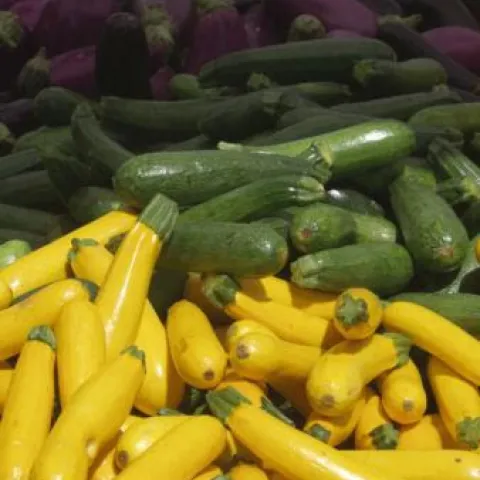
Fresh Eggplant, Zucchini, and Yellow Squash
UC Master Gardeners of Santa Clara County: Page

Summer Squash (includes zucchini)

Transplant or direct seed: May to July, possibly April for transplanting depending on weather and local conditions. For best results, wait until daytime temperatures are regularly over 70°F and soil temperature is over 65°F. If growing your own seedlings, start the seeds 4 weeks before you want to plant.
View Page
Primary Image
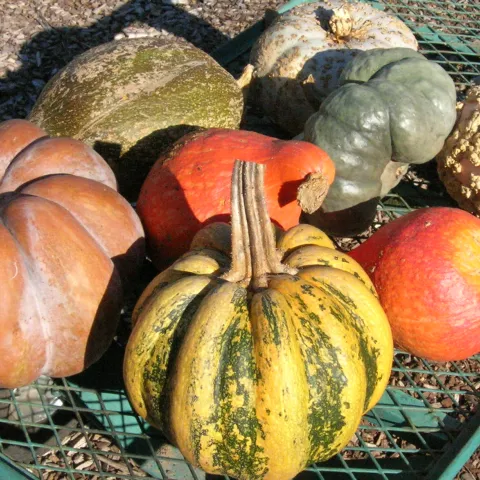
Several kinds of winter squash
UC Master Gardeners of Santa Clara County: Page

Winter Squash (including pumpkins)

Despite its name, winter squash is grown in the summer. The name comes from the fact that the mature fruits can be stored for winter eating. Pumpkins are a type of winter squash.
View Page