A Natural Solution for California's Herds: African Catfish Peptides

California's cattle producers and agricultural communities are all too familiar with the rising challenge of antibiotic resistance, making common bacterial infections harder to treat in livestock. But imagine a future where we could tackle these infections with a natural, powerful alternative. Our research points to just that: antimicrobial peptides (AMPs) found in African catfish.

We're really excited about these peptides because African catfish thrive in pathogen-rich freshwater, naturally producing these robust immune compounds in their skin mucus as a defense. This natural origin makes them highly appealing alternatives to synthetic drugs.

Predicted Safety and Potent Action

One of the most compelling aspects of these AMPs is their predicted safety for mammals. Our initial computer analyses suggest that various catfish AMPs are generally recognized as safe (GRAS). We predict they'll be absorbed in the human intestine without causing liver, brain, or heart toxicity. Furthermore, lab tests on a promising peptide, NACAP-II, confirmed it was non-hemolytic, meaning it didn't damage rabbit red blood cells—a strong indicator of its potential safety for mammalian cells.

Beyond safety, these peptides demonstrate effectiveness against problematic bacteria. One study revealed NACAP-II's strong activity against Extended-Spectrum Beta-Lactamase (ESBL)-producing Escherichia coli—a critical concern for both animal and human health due to its resistance to many common antibiotics. Another peptide, ACAP-IV, also showed antibacterial activity against E. coli and Staphylococcus aureus. We believe these AMPs work by directly disrupting bacterial cell membranes, a mechanism that makes it harder for bacteria to develop resistance compared to how they resist traditional antibiotics.
UC Master Gardener Program of Sonoma County: Page

Conserve el agua

Conserve el agua por medio de retrasarlo, distribuirlo y hacerlo penetrar Como vivimos en un clima de verano seco que tiende a la sequia, es importante que conservemos el agua, aun cuando no estamos en tal situacin. Hay que aprovechar de cada gota.
View Page
UC Master Gardener Program of Sonoma County: Page

Proteja la calidad del agua

Proteja la calidad del agua por evitar el uso de pesticidas e herbicidas empleando prcticas de IPM (manejo integral de plagas). Un estudio de su tierra por un laboratorio puede ayudarle a entender las necesidades de su jardn y por eso evitar el sobreuso de fertilizantes.
View Page
UC Master Gardener Program of Sonoma County: Page

Conserve la energía

Conserve la energa, manteniendo sostenible su jardn, por emplear materiales permeables, reciclables, producidos localmente y naturales. Reduzca los desperdicios y recortes por seleccionar plantas del tamao apropiado para el espacio. Vuelve a usar materiales cuando sea posible.
View Page
UC Master Gardener Program of Sonoma County: Page

Nutra el suelo

Nutra su suelo! La tierra es la base de la vida! El universo del suelo es increblemente complejo y apenas empezamos a entenderlo. La composta que Ud. hace de los desperdicios de su cocina y su jardn, pueden alimentar el suelo en su jardn naturalmente. Saba Ud.
View Page
UC Master Gardener Program of Sonoma County: Page

Incorpore manejo integrada de plagas

Manejo Integrado de Plagas (IPM) significa el apoyo de los insectos benficos para ayudar a eliminar los insectos malficos. Haga clic aqu para una lista de insectos benficos del jardn.
View Page
UC Master Gardener Program of Sonoma County: Page

Proteja y apoye la vida silvestre

Acurdese de proteger y apoyar la vida silvestre por formar grupos de 3-5 plantas en vez de solamente 1 o 2; esto soportar el nmero de insectos benficos que se necesita para mantener saludable su jardn.
View Page
Primary Image
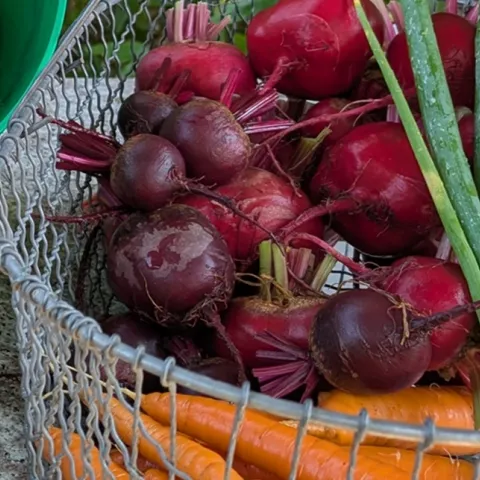
Food gardening tips for Sonoma County home gardeners
UC Master Gardener Program of Sonoma County: Page

Food Gardening Articles

Find in depth information written by the UC Master Gardeners of Sonoma County to help you successfully grow your favorite food crop in your home garden.
View Page
Primary Image
Wildfire preparedness yard maintenance tips
UC Master Gardener Program of Sonoma County: Page

Yard Maintenance

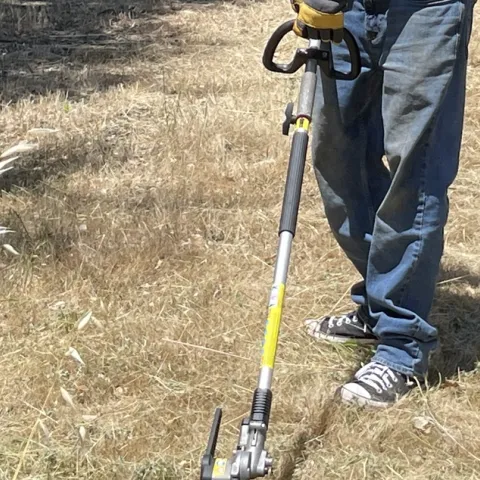
Plants that are green and lush give better protection. If regularly watered and maintained to eliminate the accumulation of dry plant litter, these plants will be far less likely to carry fire to your home. Find a summary of ongoing tasks to prepare your garden and home for wildfire season.
View Page
Primary Image
Red-Flag-Warning-Day
UC Master Gardener Program of Sonoma County: Page

Red Flag Warning Days

What is a Red Flag Warning Day, what are the criteria used to determine the risk and what does it mean? Find a list of what should you do on a Red Flag Warning Day and how to prepare in advance.
View Page
Primary Image
Information for wildfire preparedness of your home landscape
UC Master Gardener Program of Sonoma County: Page

Wildfire Preparedness in the Home Landscape

A summary of information from expert UC advisors on how to best prepare your home garden landscape for wildfire safety. Defensible space explained and recommendations for how to design and maintain our homes and adjacent property in ways that reduce their vulnerability to wildfire but also provide critically…
View Page