A Natural Solution for California's Herds: African Catfish Peptides

California's cattle producers and agricultural communities are all too familiar with the rising challenge of antibiotic resistance, making common bacterial infections harder to treat in livestock. But imagine a future where we could tackle these infections with a natural, powerful alternative. Our research points to just that: antimicrobial peptides (AMPs) found in African catfish.

We're really excited about these peptides because African catfish thrive in pathogen-rich freshwater, naturally producing these robust immune compounds in their skin mucus as a defense. This natural origin makes them highly appealing alternatives to synthetic drugs.

Predicted Safety and Potent Action

One of the most compelling aspects of these AMPs is their predicted safety for mammals. Our initial computer analyses suggest that various catfish AMPs are generally recognized as safe (GRAS). We predict they'll be absorbed in the human intestine without causing liver, brain, or heart toxicity. Furthermore, lab tests on a promising peptide, NACAP-II, confirmed it was non-hemolytic, meaning it didn't damage rabbit red blood cells—a strong indicator of its potential safety for mammalian cells.

Beyond safety, these peptides demonstrate effectiveness against problematic bacteria. One study revealed NACAP-II's strong activity against Extended-Spectrum Beta-Lactamase (ESBL)-producing Escherichia coli—a critical concern for both animal and human health due to its resistance to many common antibiotics. Another peptide, ACAP-IV, also showed antibacterial activity against E. coli and Staphylococcus aureus. We believe these AMPs work by directly disrupting bacterial cell membranes, a mechanism that makes it harder for bacteria to develop resistance compared to how they resist traditional antibiotics.
UC Master Gardener Program of Sonoma County: Page

Amaryllis belladonna — Naked Lady Lilly

Amaryllis belladonna is a bulb native to the Mediterranean climate of Cape Province, South Africa. Commonly called naked-lady lily, this bulb has naturalized in many areas of Sonoma County and along much of the California coast, just as it has in similar climates throughout the world.
View Page
UC Master Gardener Program of Sonoma County: Page

Cotinus coggygria (Smoke Tree)

One of the more fanciful sites in the summer garden is a smoke tree in full flower. Individual tiny blossoms in airy, filamentous panicles appear wreathed in clouds of pinkish smoke. Cotinus grows in nearly any well-drained soil.
View Page
UC Master Gardener Program of Sonoma County: Page

Cherry Tomatoes

Cherry tomatoes have become a home-garden favorite not only for their small size, perfect for snacking and salads, but also for their early and long-lasting harvest. Because they produce so abundantly, one standard plant is sufficient for a family of four.
View Page
Primary Image
Tips to grow dill in your Sonoma County home food garden
UC Master Gardener Program of Sonoma County: Page

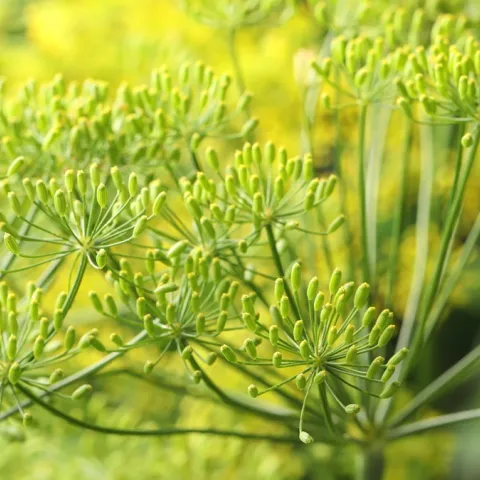
Dill

Graceful in the garden, dill plants attract beneficial insects to their flat-headed, yellow flowers and offer both seeds and leaves, called dill weed, when dried.
View Page
Primary Image
Harvesting and Preserving Dill
UC Master Gardener Program of Sonoma County: Page

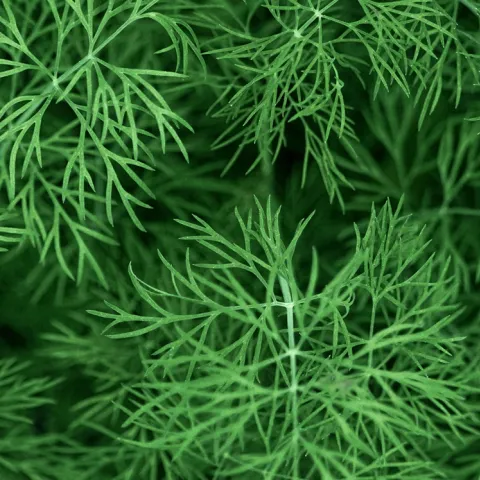
Harvesting and Preserving Dill

If you allow dill to flower, leaf production will cease; when it sets seed, the plant dies. Therefore, plan your dill harvest based on whether you want to use fresh dill in recipes, preserve leaves (dill weed) and/or preserve seed.
View Page
UC Master Gardener Program of Sonoma County: Page

Spring to Summer Succession Gardening

As spring vegetables begin to decline and bolt, its time for the summer garden to face Sonoma Countys hot, dry summer. A carefully planned succession garden provides continuous harvest for months until its time for the next transition into fall and winter gardening.
View Page
UC Master Gardener Program of Sonoma County: Page

Artemisia(California Sagebrush)

Plants in the genus Artemisia are commonly called wormwood, mugwort, and sagebrushnames that seem surprising for a member of the sunflower family (Asteraceae) even though there is no clear resemblance to sunflowers.
View Page
Primary Image
Expert food gardening information for Sonoma County home gardeners
UC Master Gardener Program of Sonoma County: Page

Food Gardening

 We are lucky that here in Sonoma County, we are able to grow food sustainably year-round. Enjoy the satisfaction of producing your own delicious, ripe, nutritious fruits and vegetables in your home garden. Food Garden advice from the UC-trained and certified Food Garden Specialists of the Master…
View Page
UC Master Gardener Program of Sonoma County: Page

Loquats

Often grown as an evergreen ornamental tree, the loquat is included in a home orchard for its apricot-hued fruit. Eriobotrya japonica, commonly known as loquat or Japanese plum, has a distinctive taste, slightly tangy, suggestive of apricots and pineapple with texture similar to peach.
View Page
UC Master Gardener Program of Sonoma County: Page

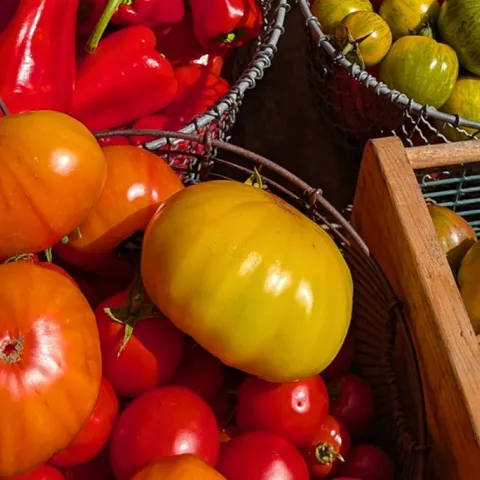
Heirloom Tomatoes

Heirloom vegetables, and tomatoes in particular, have become a hot topic among gardeners and chefs alike.
View Page