A Natural Solution for California's Herds: African Catfish Peptides

California's cattle producers and agricultural communities are all too familiar with the rising challenge of antibiotic resistance, making common bacterial infections harder to treat in livestock. But imagine a future where we could tackle these infections with a natural, powerful alternative. Our research points to just that: antimicrobial peptides (AMPs) found in African catfish.

We're really excited about these peptides because African catfish thrive in pathogen-rich freshwater, naturally producing these robust immune compounds in their skin mucus as a defense. This natural origin makes them highly appealing alternatives to synthetic drugs.

Predicted Safety and Potent Action

One of the most compelling aspects of these AMPs is their predicted safety for mammals. Our initial computer analyses suggest that various catfish AMPs are generally recognized as safe (GRAS). We predict they'll be absorbed in the human intestine without causing liver, brain, or heart toxicity. Furthermore, lab tests on a promising peptide, NACAP-II, confirmed it was non-hemolytic, meaning it didn't damage rabbit red blood cells—a strong indicator of its potential safety for mammalian cells.

Beyond safety, these peptides demonstrate effectiveness against problematic bacteria. One study revealed NACAP-II's strong activity against Extended-Spectrum Beta-Lactamase (ESBL)-producing Escherichia coli—a critical concern for both animal and human health due to its resistance to many common antibiotics. Another peptide, ACAP-IV, also showed antibacterial activity against E. coli and Staphylococcus aureus. We believe these AMPs work by directly disrupting bacterial cell membranes, a mechanism that makes it harder for bacteria to develop resistance compared to how they resist traditional antibiotics.
Primary Image
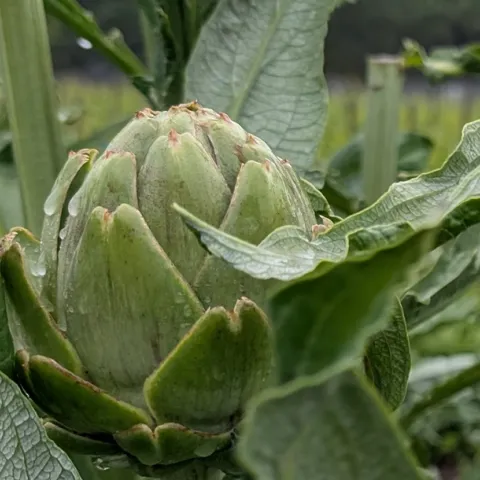
growing tips for artichokes in the Sonoma County home garden
UC Master Gardener Program of Sonoma County: Page

Artichokes

Food garden specialist growing tips for this Mediterranean native. This cool-weather perennial can be grown as an annual from seed or bareroot for Sonoma County home food gardeners. Learn how, what varieties do well in our climate and get growing tips.
View Page
UC Master Gardener Program of Sonoma County: Page

Parsley

Parsley, a member of the carrot family (Apiaceae), is a hardy biennial grown as an annual. This versatile herb is used in cooking or as a garnish and may be harvested in Sonoma County year-round.
View Page
UC Master Gardener Program of Sonoma County: Page

Radish

Radishes are usually thought of as a root vegetable of the Brassicaceae (cabbage) family although tops are equally as edible when treated like collard or mustard greens.
View Page
UC Master Gardener Program of Sonoma County: Page

Kale and Collards

Kale and collards, a type of kale, share the same species, Brassica oleracea, and are considered non-heading or loose-leaf members of the cabbage family. Both grow best in the cool season, sweetened by frost.
View Page
Primary Image
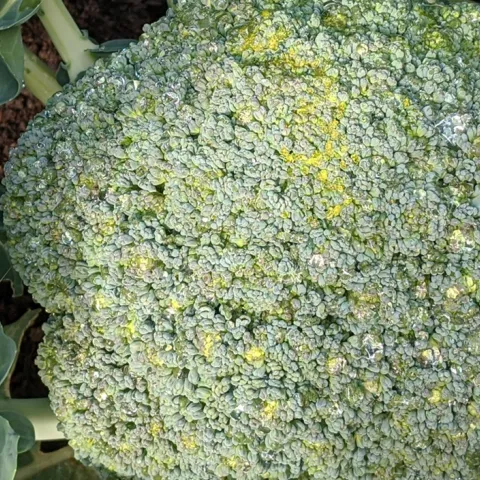
tips for growing broccoli in Sonoma County home gardens
UC Master Gardener Program of Sonoma County: Page

Broccoli

Broccoli, a member of the Brassicaceae (cabbage) family, has been under cultivation in Europe for centuries, but it wasnt until It was the 1920s that it was planted as a commercial crop in California where it is now grown nearly exclusively. In home gardens, broccoli is grown as a cool weather crop.
View Page
UC Master Gardener Program of Sonoma County: Page

Basil

Pungent basil leaves fresh from the summer herb garden offer aroma and taste in a myriad of dishes. Normally thought of as Italian or Mediterranean, basil originated in Africa and southern AsiaIndia, Thailand, and Vietnam.
View Page
UC Master Gardener Program of Sonoma County: Page

Corn

Ancient corn known as maize from areas near the Andes eventually hybridized with other grasses to become the field corn grown world-wide today. Succulent sweet corn was a spontaneous mutation in field corn and continues to be hybridized by commercial breeders.
View Page
UC Master Gardener Program of Sonoma County: Page

Leeks

Leeks are a member of the same family that includes onions, chives and garlic, but they do not form bulbs and have a milder flavor. Lower parts of stems, 3-10 inches, are white, tender, and 1-3 in. in diameter. Leeks are a welcome fall and winter crop but may be grown year round near the coast.
View Page
Primary Image
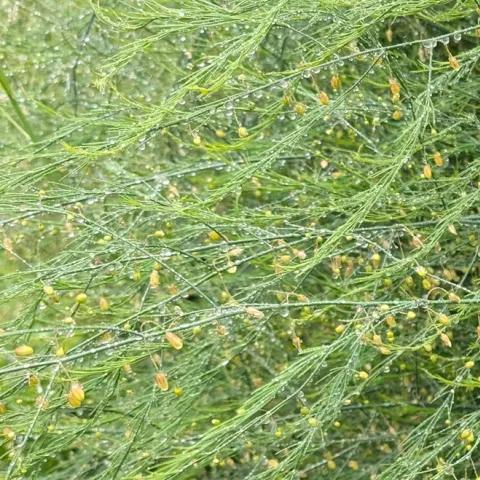
asparagus growing tips for home gardeners in Northern California
UC Master Gardener Program of Sonoma County: Page

Asparagus

As one of the longest lived perennial vegetables, asparagus needs careful attention when planted. The tasty spears and 3-8 ft. high ferny growth will be a significant part of the food garden for 15 years or longer.
View Page