A Natural Solution for California's Herds: African Catfish Peptides

California's cattle producers and agricultural communities are all too familiar with the rising challenge of antibiotic resistance, making common bacterial infections harder to treat in livestock. But imagine a future where we could tackle these infections with a natural, powerful alternative. Our research points to just that: antimicrobial peptides (AMPs) found in African catfish.

We're really excited about these peptides because African catfish thrive in pathogen-rich freshwater, naturally producing these robust immune compounds in their skin mucus as a defense. This natural origin makes them highly appealing alternatives to synthetic drugs.

Predicted Safety and Potent Action

One of the most compelling aspects of these AMPs is their predicted safety for mammals. Our initial computer analyses suggest that various catfish AMPs are generally recognized as safe (GRAS). We predict they'll be absorbed in the human intestine without causing liver, brain, or heart toxicity. Furthermore, lab tests on a promising peptide, NACAP-II, confirmed it was non-hemolytic, meaning it didn't damage rabbit red blood cells—a strong indicator of its potential safety for mammalian cells.

Beyond safety, these peptides demonstrate effectiveness against problematic bacteria. One study revealed NACAP-II's strong activity against Extended-Spectrum Beta-Lactamase (ESBL)-producing Escherichia coli—a critical concern for both animal and human health due to its resistance to many common antibiotics. Another peptide, ACAP-IV, also showed antibacterial activity against E. coli and Staphylococcus aureus. We believe these AMPs work by directly disrupting bacterial cell membranes, a mechanism that makes it harder for bacteria to develop resistance compared to how they resist traditional antibiotics.
UC Master Gardener Program of Sonoma County: Page

Peas

Peas are cool-season, frost-hardy plants well-suited to winter and spring vegetable gardens in Sonoma County.
View Page
UC Master Gardener Program of Sonoma County: Page

Shallots

Shallots are closely related to onions and garlic with mild overtones of both in taste. They develop clusters of bulbs like garlic and are often used in place of onions in cuisines. Gray shallots are preferred by some as the only true shallot and are propagated only from bulbs.
View Page
Primary Image
Growing garlic in Sonoma County
UC Master Gardener Program of Sonoma County: Page

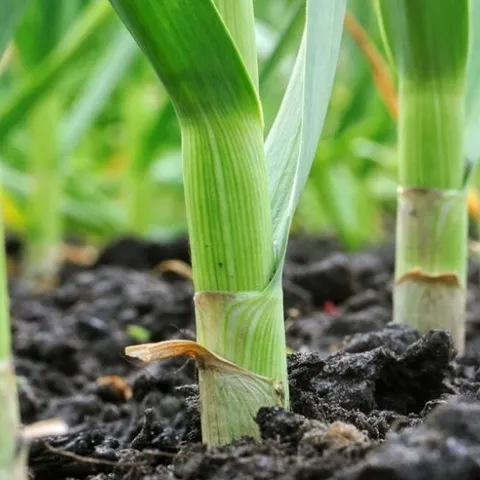
Garlic

Garlic, a close relative of onions, shallots and leeks, is easily grown in Sonoma County. It occupies little garden space from fall through spring while still producing an ample crop.
View Page
Primary Image
Expert tips for growing beets at home
UC Master Gardener Program of Sonoma County: Page

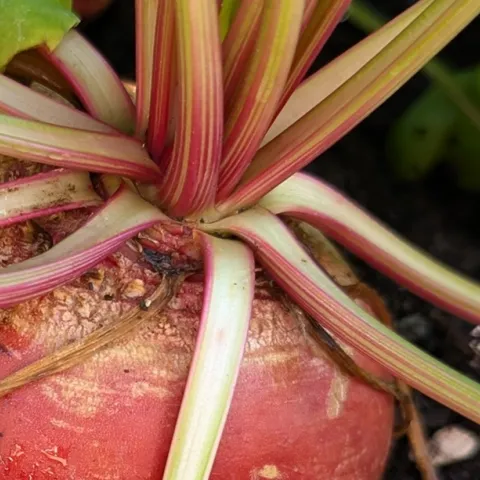
Beets

Like few other vegetables, nearly the entire beet plant can be eaten below-ground bulbs and above-ground foliage. A good crop depends on careful thinning and transplanting crowded seedlings into fertile, amended soil. Bumpy, brown seeds are actually a cluster of several seeds that germinate in a clump.
View Page
UC Master Gardener Program of Sonoma County: Page

Lettuce

Lettuce has been cultivated and selectively bred for several centuries, first in the Middle East, then by the Romans who named it latuca or milk because of its white sap. The name became lettuce in English. Few vegetables are as easy to grow year-round with such a multitude of varieties.
View Page
UC Master Gardener Program of Sonoma County: Page

Chard

Chard has become a favorite leafy green for many Sonoma County gardeners for its adaptability to both cool and warm weather, making it an easy year-round crop. Care is the same as for beets, a close relative with a different root structure. Summer heat and winter frosts are easily tolerated.
View Page
Primary Image
Expert tomato growing tips for Sonoma County Home Gardeners
UC Master Gardener Program of Sonoma County: Page

Tomatoes

Learn how to grow healthy tomatoes in your Sonoma County home garden; select, grow and manage pests and diseases with expert advice.
View Page
UC Master Gardener Program of Sonoma County: Page

Melons

Melons thrive in fertile, fast-draining soil fortified with organic matter that holds ample moisture during long, hot summer months. In Sonoma County, not all micro-climates support melon growth.
View Page
UC Master Gardener Program of Sonoma County: Page

Composting

Composting Basics gives an overview of the process.
View Page
UC Master Gardener Program of Sonoma County: Page

Composting Basics

Composting is the recycling by decomposition of kitchen and yard wastes and other organic materials combined in a specific manner into a wonderful soil amendment for the garden. For an overview and illustration of composting, watch this University of California webinar.
View Page