A Natural Solution for California's Herds: African Catfish Peptides

California's cattle producers and agricultural communities are all too familiar with the rising challenge of antibiotic resistance, making common bacterial infections harder to treat in livestock. But imagine a future where we could tackle these infections with a natural, powerful alternative. Our research points to just that: antimicrobial peptides (AMPs) found in African catfish.

We're really excited about these peptides because African catfish thrive in pathogen-rich freshwater, naturally producing these robust immune compounds in their skin mucus as a defense. This natural origin makes them highly appealing alternatives to synthetic drugs.

Predicted Safety and Potent Action

One of the most compelling aspects of these AMPs is their predicted safety for mammals. Our initial computer analyses suggest that various catfish AMPs are generally recognized as safe (GRAS). We predict they'll be absorbed in the human intestine without causing liver, brain, or heart toxicity. Furthermore, lab tests on a promising peptide, NACAP-II, confirmed it was non-hemolytic, meaning it didn't damage rabbit red blood cells—a strong indicator of its potential safety for mammalian cells.

Beyond safety, these peptides demonstrate effectiveness against problematic bacteria. One study revealed NACAP-II's strong activity against Extended-Spectrum Beta-Lactamase (ESBL)-producing Escherichia coli—a critical concern for both animal and human health due to its resistance to many common antibiotics. Another peptide, ACAP-IV, also showed antibacterial activity against E. coli and Staphylococcus aureus. We believe these AMPs work by directly disrupting bacterial cell membranes, a mechanism that makes it harder for bacteria to develop resistance compared to how they resist traditional antibiotics.
Primary Image
Learn about using California native plants in your home garden landscape
UC Master Gardener Program of Sonoma County: Page

California Native Plants

For success growing California native plants, it’s best to provide a garden location similar to a species natural habitat. Find information here to grow California native plants in your Sonoma County garden.
View Page
UC Master Gardener Program of Sonoma County: Page

Tips and Tricks for Natives

When selecting native plants for the ornamental garden, choose species that will thrive in the planting sites you have chosen. Many nativestrees, shrubs, perennials, and annualswill not tolerate shade if they are sun-lovers or sunny sites if they are habituated to shade.
View Page
Primary Image
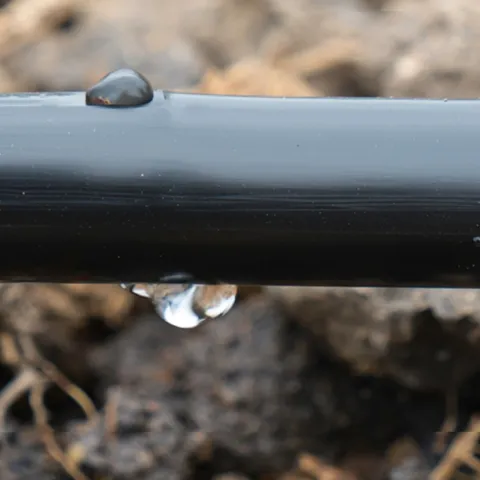
Drip Irrigation tips for the home gardener
UC Master Gardener Program of Sonoma County: Page

Drip Irrigation

Efficient watering means putting the right amount of water in the right place when plants need it without excess runoff, over-spray, or waste. Sprinkler systems and hand watering are only 50-70 percent efficient.
View Page
UC Master Gardener Program of Sonoma County: Page

Sonoma Microclimates

Gardeners in Sonoma County have long been grateful for living in a climate mild enough to grow food gardens year-round.
View Page
UC Master Gardener Program of Sonoma County: Page

Bulbs for Sonoma County

Because a majority of the world's bulbs are native to the Cape of South Africa and the Mediterranean Basin, most thrive in the same Mediterranean climate we enjoy in Sonoma County.
View Page
Primary Image
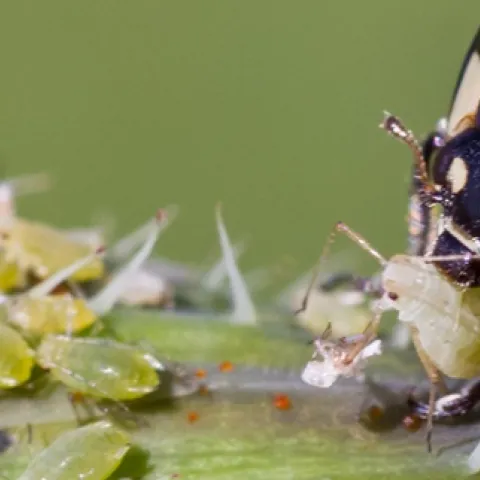
information for home gardener on common insect pests in Sonoma County
UC Master Gardener Program of Sonoma County: Page

Pests, Diseases, and Weeds: Safe and Sustainable Management through IPM

Integrated Pest Management (IPM) involves the use of environmentally sound, effective practices to keep pests, diseases, and weeds from damaging gardens. IPM begins by identifying the pest, disease, or weed, then selecting the most effective methods and materials for controlling the problem.
View Page
Primary Image
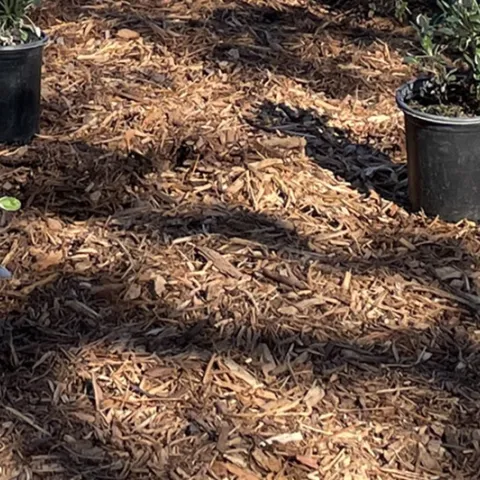
mulch
UC Master Gardener Program of Sonoma County: Page

Mulch

Of the many different types of materials that can be used to cover the ground, only mulch derived from plants benefits the soil and the garden. Learn why.
View Page
UC Master Gardener Program of Sonoma County: Page

Types of Mulch

Beyond the practical advantages of covering the groundwater conservation, soil health, weed controlmulch contributes to the beauty of a garden setting. Spread beneath stems and branches, it highlights colors, shapes, and textures of foliage and bark.
View Page
UC Master Gardener Program of Sonoma County: Page

Mulch Application

There are several steps to undertake when laying mulch, some of them more strenuous than others, especially in large gardens. In expansive areas, it helps to approach this task in increments, rather than accepting a challenge of completing it in only one go-around.
View Page