A Natural Solution for California's Herds: African Catfish Peptides

California's cattle producers and agricultural communities are all too familiar with the rising challenge of antibiotic resistance, making common bacterial infections harder to treat in livestock. But imagine a future where we could tackle these infections with a natural, powerful alternative. Our research points to just that: antimicrobial peptides (AMPs) found in African catfish.

We're really excited about these peptides because African catfish thrive in pathogen-rich freshwater, naturally producing these robust immune compounds in their skin mucus as a defense. This natural origin makes them highly appealing alternatives to synthetic drugs.

Predicted Safety and Potent Action

One of the most compelling aspects of these AMPs is their predicted safety for mammals. Our initial computer analyses suggest that various catfish AMPs are generally recognized as safe (GRAS). We predict they'll be absorbed in the human intestine without causing liver, brain, or heart toxicity. Furthermore, lab tests on a promising peptide, NACAP-II, confirmed it was non-hemolytic, meaning it didn't damage rabbit red blood cells—a strong indicator of its potential safety for mammalian cells.

Beyond safety, these peptides demonstrate effectiveness against problematic bacteria. One study revealed NACAP-II's strong activity against Extended-Spectrum Beta-Lactamase (ESBL)-producing Escherichia coli—a critical concern for both animal and human health due to its resistance to many common antibiotics. Another peptide, ACAP-IV, also showed antibacterial activity against E. coli and Staphylococcus aureus. We believe these AMPs work by directly disrupting bacterial cell membranes, a mechanism that makes it harder for bacteria to develop resistance compared to how they resist traditional antibiotics.
Primary Image
tree
UC Marin Master Gardeners: Page

Trees & How to Choose

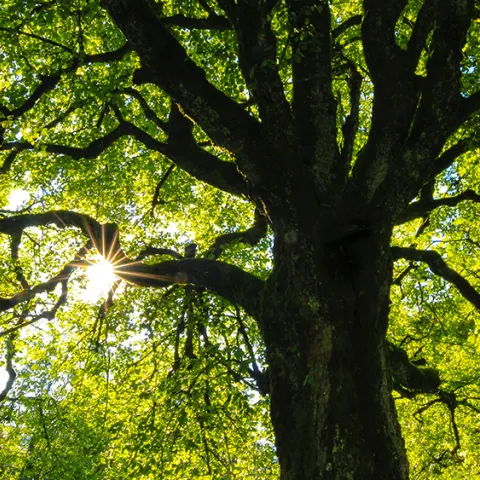
The tree you plant today may be here for your children and grandchildren and beyond. Photo: Candid Shots, Pixabay Use our PLANT LIST: > TREES FOR BACKYARDS AND PATIOS These trees thrive in Marin and are well-suited to the typical backyard setting.
View Page
Primary Image
banner pollinators
UC Marin Master Gardeners: Page

Pollination & Pollinators

Year-round food and water are essential for habitat gardens. Photo: Bridget Ahearn "The birds and the bees" is a sweet expression, but the work of pollinators is a serious business. Without pollination, life on Earth would cease.
View Page
UC Marin Master Gardeners: Page

Meet the Pollinators

Bees are our most important pollinators. Most are solitary bees that live independently, not the bumble bees or honey bees we are more familiar with. Bees visit flowers for the pollen or nectar, which supply the nutrients they need.
View Page
Primary Image
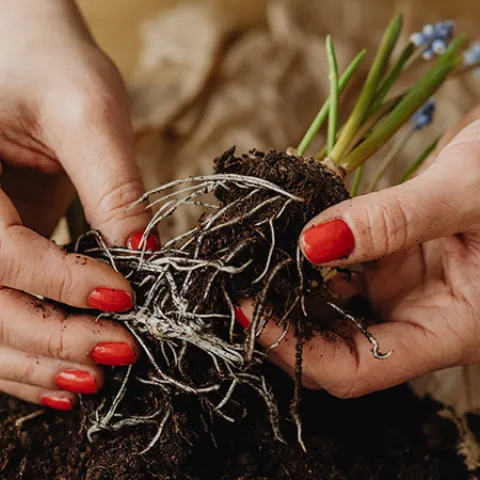
plant division
UC Marin Master Gardeners: Page

Dividing

Division benefits plants and allows you to share with others. Photo: Courtesy UC Regents Use division techniques for plants with runners, bulbs, tubers, or rhizomes. These plants produce multiple stems above the ground. You cannot use division techniques for plants with a single stem.
View Page
Primary Image
cuttings
UC Marin Master Gardeners: Page

Cuttings

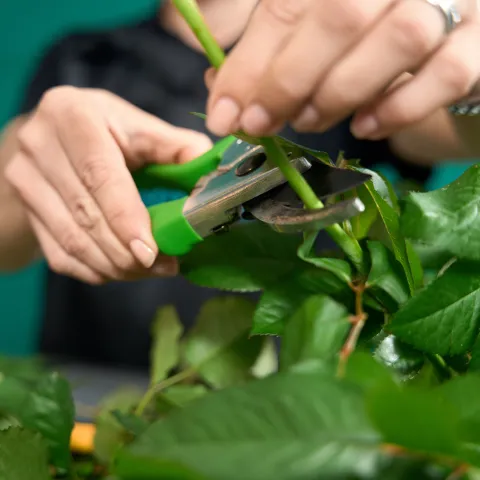
Gary Barnes, Pexels Propagation through cuttings is the process of using a piece of an existing plant and encouraging it to grow into a new plant. Stems, leaves, and roots can all be used for cuttings. This is a good method for woody and herbaceous plants.
View Page
Primary Image
succulents
UC Marin Master Gardeners: Page

Propagating Succulents

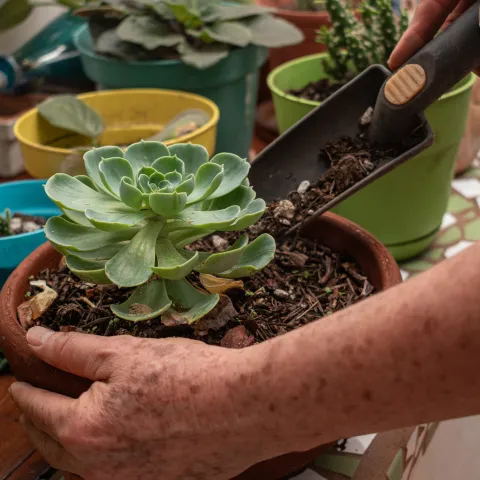
Corrine Kutx, Unsplash Succulents are among the easiest plants to propagate. Snap off baby succulents (pups) growing right off the parent plant or make a cutting of a stem. You can take succulent cuttings in the fall, spring, or summer. Pruning/cutting tools.
View Page
Primary Image
grafting
UC Marin Master Gardeners: Page

Grafts

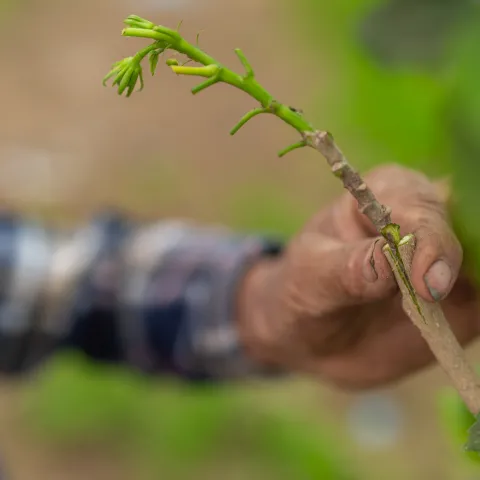
Whip graft tied with string. Photo: Piqsels Grafting involves joining two genetically distinct plants to unite and continue growth as a single, compound plant.
View Page
Primary Image
planting tools
UC Marin Master Gardeners: Page

Containers

Planting in containers opens up a whole new range of possibilities whether growing plants indoors or out, ornamental, or edible, from tiny succulents or large shrubs.
View Page
Primary Image
planting tools
UC Marin Master Gardeners: Page

Seeds & Starts

You can get a jump start on new plants by growing them from seeds indoors. This is a good way to grow edible plants, because there are many more varieties available from seed. Learn more about growing edibles from seed.
View Page
Primary Image
planting tools
UC Marin Master Gardeners: Page

Bulbs

Bulbs are great to plant then forget about. Often planted in fall (some in spring), theyre not visible during winter. Come spring or summer, depending on the bulb, voila! A beautiful plant! Theres a wide variety of types of things called bulbs, including rhizomes, tubers, corms, and true bulbs.
View Page