A Natural Solution for California's Herds: African Catfish Peptides

California's cattle producers and agricultural communities are all too familiar with the rising challenge of antibiotic resistance, making common bacterial infections harder to treat in livestock. But imagine a future where we could tackle these infections with a natural, powerful alternative. Our research points to just that: antimicrobial peptides (AMPs) found in African catfish.

We're really excited about these peptides because African catfish thrive in pathogen-rich freshwater, naturally producing these robust immune compounds in their skin mucus as a defense. This natural origin makes them highly appealing alternatives to synthetic drugs.

Predicted Safety and Potent Action

One of the most compelling aspects of these AMPs is their predicted safety for mammals. Our initial computer analyses suggest that various catfish AMPs are generally recognized as safe (GRAS). We predict they'll be absorbed in the human intestine without causing liver, brain, or heart toxicity. Furthermore, lab tests on a promising peptide, NACAP-II, confirmed it was non-hemolytic, meaning it didn't damage rabbit red blood cells—a strong indicator of its potential safety for mammalian cells.

Beyond safety, these peptides demonstrate effectiveness against problematic bacteria. One study revealed NACAP-II's strong activity against Extended-Spectrum Beta-Lactamase (ESBL)-producing Escherichia coli—a critical concern for both animal and human health due to its resistance to many common antibiotics. Another peptide, ACAP-IV, also showed antibacterial activity against E. coli and Staphylococcus aureus. We believe these AMPs work by directly disrupting bacterial cell membranes, a mechanism that makes it harder for bacteria to develop resistance compared to how they resist traditional antibiotics.
Primary Image
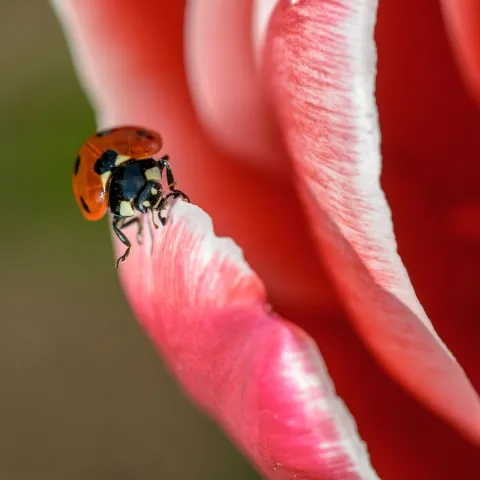
ladybug
UC Marin Master Gardeners: Page

Biological Control & Natural Enemies

Syrphid wasp. Wikimedia Commons Biological control is the beneficial action of predators, parasites, and pathogens in managing pests and their damage. Any organism that feeds on another organism is its natural enemy.
View Page
Primary Image
Banner Care
UC Marin Master Gardeners: Page

Reducing Harmful Chemicals in the Garden

UC ANR There are many different chemicals available for use in the garden. Unfortunately, these chemicals may contaminate soil, water, and air and may even harm plants, pets, and people.
View Page
Primary Image
Banner Plants
UC Marin Master Gardeners: Page

Plants

Colorful flowers and towering trees are lovely, but plants are so much more than that.
View Page
Primary Image
succulent
UC Marin Master Gardeners: Page

How to Choose

We can grow thousands of different plants in our mild climate, which can make a visit to the nursery overwhelming. Photo, Leone Christine, Unsplash Thanks to Marin's mild climate, we can grow thousands of different plants.
View Page
Primary Image
Pittosporum
UC Marin Master Gardeners: Page

Shrubs, Perennials, Etc

Whether you're planting a new garden or refreshing an existing landscape, there is a world of horticultural beauty at your fingertips. Shrubs, perennials, groundcovers, and grasses form the backbone of many gardens.
View Page
Primary Image
Redwoods
UC Marin Master Gardeners: Page

Marin Settings

Marin's beauty is vast and varied. Where else can you visit a coastal bluff, redwood forest, and oak woodland all in one day? In our gardens, the varied topography, microclimates, and proximity to open space can be a challenge especially when it involves clay soil or a steep hillside.
View Page
Primary Image
Ceanothus
UC Marin Master Gardeners: Page

Cal Native Plants

Bush anemone (Carpenteria californica) is a deer-resistant shrub that grows in sun or shade and has fragrant flowers. Photo: PlantMaster You can bring the natural beauty and ecology -- of your surroundings into your garden by growing some of the plants that were here before settlers arrived.
View Page
Primary Image
hummingbird
UC Marin Master Gardeners: Page

Plants for Pollinators

It's easy to invite bees, butterflies, hummingbirds, and other welcomed winged visitors into the garden. Just provide the food, water, and shelter they need to feel at home. This is called habitat gardening, and it's a satisfying way to choose plants.
View Page
Primary Image
banner lawn replacement
UC Marin Master Gardeners: Page

Lawn & Alternatives

Today there are more choices than ever when it comes to lawn and lawn alternatives. If you like the look and feel of a conventional lawn, there are even some lower-water choices available.
View Page
Primary Image
banner invasives
UC Marin Master Gardeners: Page

Plants to Avoid

Most plants are a pleasure to grow. Fortunately, there are only a few to avoid. Here's how invasive plants and plants that have been treated cause problems. Scotch broom currently infests millions of acres throughout California.
View Page