A Natural Solution for California's Herds: African Catfish Peptides

California's cattle producers and agricultural communities are all too familiar with the rising challenge of antibiotic resistance, making common bacterial infections harder to treat in livestock. But imagine a future where we could tackle these infections with a natural, powerful alternative. Our research points to just that: antimicrobial peptides (AMPs) found in African catfish.

We're really excited about these peptides because African catfish thrive in pathogen-rich freshwater, naturally producing these robust immune compounds in their skin mucus as a defense. This natural origin makes them highly appealing alternatives to synthetic drugs.

Predicted Safety and Potent Action

One of the most compelling aspects of these AMPs is their predicted safety for mammals. Our initial computer analyses suggest that various catfish AMPs are generally recognized as safe (GRAS). We predict they'll be absorbed in the human intestine without causing liver, brain, or heart toxicity. Furthermore, lab tests on a promising peptide, NACAP-II, confirmed it was non-hemolytic, meaning it didn't damage rabbit red blood cells—a strong indicator of its potential safety for mammalian cells.

Beyond safety, these peptides demonstrate effectiveness against problematic bacteria. One study revealed NACAP-II's strong activity against Extended-Spectrum Beta-Lactamase (ESBL)-producing Escherichia coli—a critical concern for both animal and human health due to its resistance to many common antibiotics. Another peptide, ACAP-IV, also showed antibacterial activity against E. coli and Staphylococcus aureus. We believe these AMPs work by directly disrupting bacterial cell membranes, a mechanism that makes it harder for bacteria to develop resistance compared to how they resist traditional antibiotics.
Primary Image
planting tools
UC Marin Master Gardeners: Page

Planting

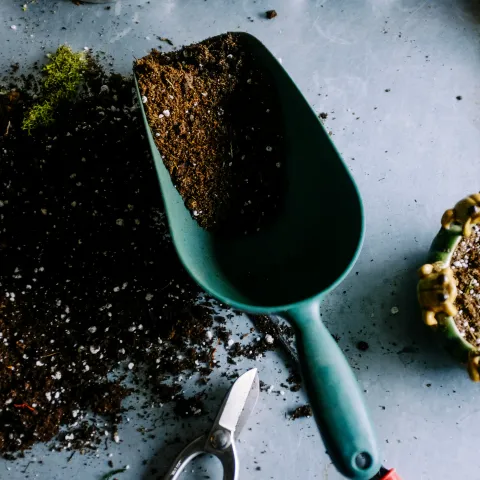
Getting plants off to a good start begins with planting. While its a simple enough concept dig a hole, cover the plants roots with soil, water, and watch it grow theres actually a bit more to it. The process varies slightly if youre planting bulbs, succulents, or trees and shrubs.
View Page
Primary Image
tools
UC Marin Master Gardeners: Page

Tools

Gardening tools and equipment Photo: Das Ant The right tool makes working in the garden more pleasurable. Always purchase the best quality tool since it is well worth the investment. Avoid tools that are too heavy or too light, which may not hold up under continuous use.
View Page
Primary Image
safety
UC Marin Master Gardeners: Page

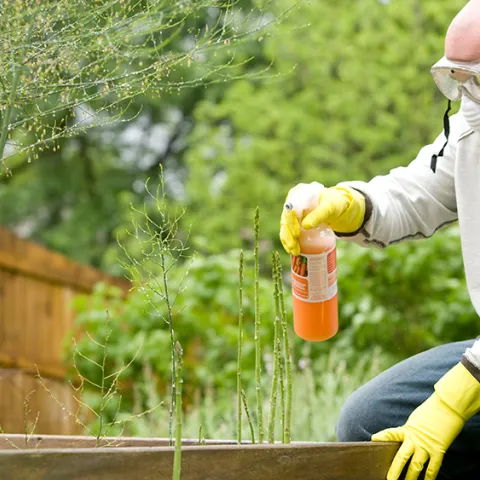
Health & Safety in the Garden

Whether you are a novice or an expert gardener, health and safety precautions are important to protect yourself, your family, and your pet as you head out to your garden.
View Page
Primary Image
Banner problems
UC Marin Master Gardeners: Page

PROBLEMS

All gardens have problems! Use sustainable, earth-friendly knowledge and techniques to solve and prevent problems in your garden.
View Page
Primary Image
banner
UC Marin Master Gardeners: Page

Solving Plant Problems

No matter how long youve been gardening months, years, or decades, sooner or later, just about every gardener will encounter a plant problem. While many are easily eliminated, there might be occasions when a pest or disease reaches a level where some sort of control measures is warranted.
View Page
UC Marin Master Gardeners: Page

Top 20 Garden Problems

Got pests or other problems and want to know how to manage them? Here are some of the most frequently asked about and most common plant problems and pests in Marin.
View Page
Primary Image
banner yellowjacket
UC Marin Master Gardeners: Page

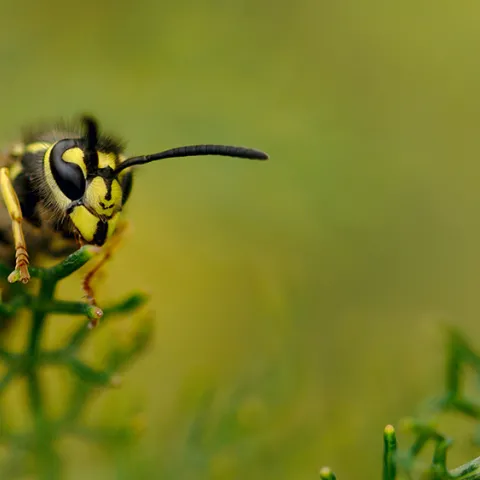
Garden Pests

Photo: N Londeree Pests in a garden or landscape can include all kinds of different life forms. From the microscopic disease-producing bacteria to large foliage-eating deer, they come in many types, sizes, shapes, forms, and destructive abilities.
View Page
Primary Image
Banner weeds
UC Marin Master Gardeners: Page

Weeds & Invasive Plants

Lambert Yuri, Unsplash > Types of weeds > Life cycle of weeds > How to identify weeds > Managing weeds > What to do when you already have weeds > What you should know about weedkillers > How to prevent weeds Weeds are generally defined as any plant growing in a place where you dont want it, or a pla...
View Page
Primary Image
Flooded shoes
UC Marin Master Gardeners: Page

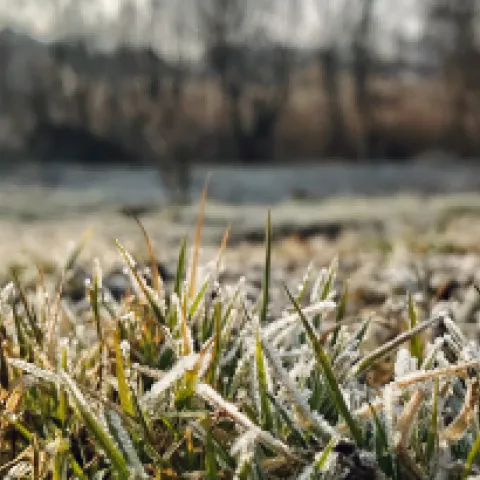
Extreme Conditions

Gardening extremes occur when unexpected weather conditions challenge plant growth and survival. Frost, heat, floods, wind, and drought are all environmental changes that can result in plant injury. Plant damage can be sudden and severe or it may occur over time.
View Page
UC Marin Master Gardeners: Page

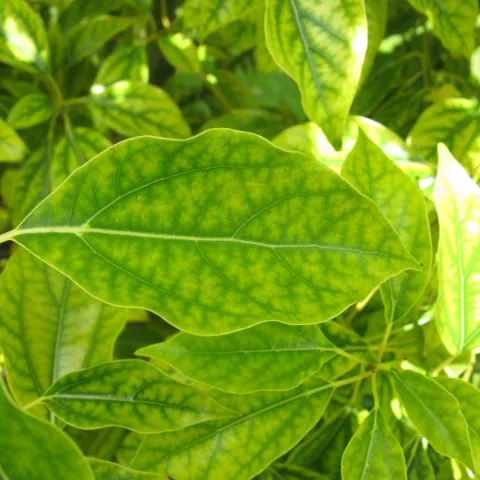
Other Garden Problems

Wikimedia Commons > Physical factors > Environmental factors > Mechanical factors > Chemical factors Stormy weather, lack of water, drifting herbicides, freezing temperatures, transplant shock, compacted soils, mower injury, and lack of nutrients are some examples of factors that can damage plants.
View Page