A Natural Solution for California's Herds: African Catfish Peptides

California's cattle producers and agricultural communities are all too familiar with the rising challenge of antibiotic resistance, making common bacterial infections harder to treat in livestock. But imagine a future where we could tackle these infections with a natural, powerful alternative. Our research points to just that: antimicrobial peptides (AMPs) found in African catfish.

We're really excited about these peptides because African catfish thrive in pathogen-rich freshwater, naturally producing these robust immune compounds in their skin mucus as a defense. This natural origin makes them highly appealing alternatives to synthetic drugs.

Predicted Safety and Potent Action

One of the most compelling aspects of these AMPs is their predicted safety for mammals. Our initial computer analyses suggest that various catfish AMPs are generally recognized as safe (GRAS). We predict they'll be absorbed in the human intestine without causing liver, brain, or heart toxicity. Furthermore, lab tests on a promising peptide, NACAP-II, confirmed it was non-hemolytic, meaning it didn't damage rabbit red blood cells—a strong indicator of its potential safety for mammalian cells.

Beyond safety, these peptides demonstrate effectiveness against problematic bacteria. One study revealed NACAP-II's strong activity against Extended-Spectrum Beta-Lactamase (ESBL)-producing Escherichia coli—a critical concern for both animal and human health due to its resistance to many common antibiotics. Another peptide, ACAP-IV, also showed antibacterial activity against E. coli and Staphylococcus aureus. We believe these AMPs work by directly disrupting bacterial cell membranes, a mechanism that makes it harder for bacteria to develop resistance compared to how they resist traditional antibiotics.
Primary Image
Banner Edibles
UC Marin Master Gardeners: Page

Edibles

Growing some of your own food is as healthy as it is satisfying. Homegrown crops taste better and come in a much wider variety than what is found in grocery store aisles. Growing your own also allows you to control the environment so you're assured what you're eating is truly organic.
View Page
Primary Image
Garden Grown Vegetables
UC Marin Master Gardeners: Page

What Edible Gardens Need

Growing a successful edible garden takes planning, correct timing, and a little know-how. But once you have it down it is such a pleasure to eat homegrown produce fresh from the garden. Here's what you need to get started.
View Page
Primary Image
Garden Grown Vegetables
UC Marin Master Gardeners: Page

Best Choices for Marin

Be sure to grow what you and your family like to eat. Marie Narlock It's possible to eat fresh from the garden all year long in Marin. Doing so takes a fair amount of planning. Here's how to determine which crops will suit your climate, space, and palate.
View Page
Primary Image
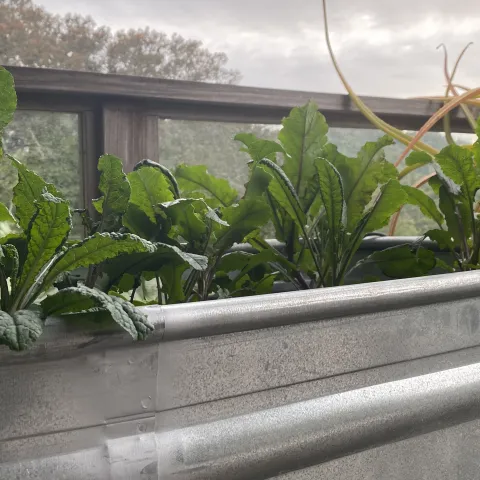
Kale in trough
UC Marin Master Gardeners: Page

Preparing: Beds, Containers, Soil, Irrigation

Few areas of the garden benefit from detailed preparation like the edible garden. The two most important components are putting the infrastructure in place (beds and irrigation) and using healthy soil.
View Page
Primary Image
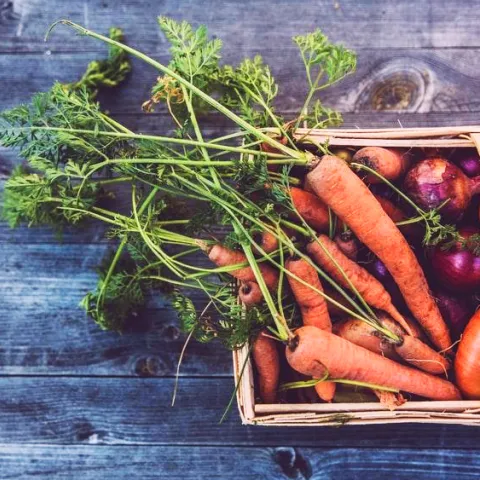
carrots
UC Marin Master Gardeners: Page

Tips & Techniques

Edible gardens are a world unto themselves in the landscape. There are many strategies unique to vegetable gardens that extend growing times, keep the garden healthy, and maximize crop yields. Here's a cheat sheet of common edible garden lingo and strategies.
View Page
Primary Image
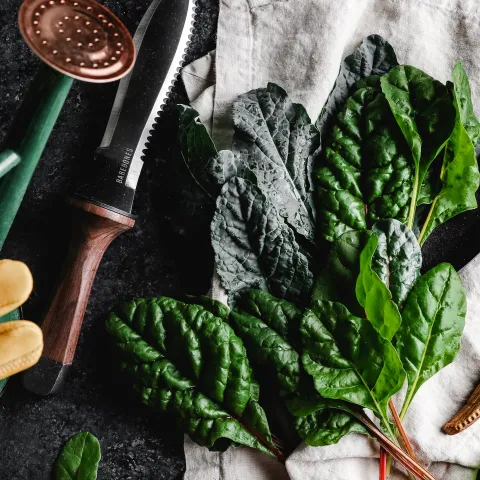
vegetables
UC Marin Master Gardeners: Page

Maintenance

Monitor the garden for pests and diseases as you maintain it. Photo: Courtesy UC Regents Once the fruit trees, berries, herbs and vegetables are planted, the magic begins. Even seasoned gardeners marvel at how the seed becomes the plant that produces a vegetable that appears on a plate.
View Page
Primary Image
Cucumber beetle
UC Marin Master Gardeners: Page

Top 20 Edible Garden Problems

Edible gardens are certainly not immune to pests and diseases. Pests can take out tender young plant shoots in one night, eat holes in mature leaves and fruit, and leave slimy tracks all over.
View Page
Primary Image
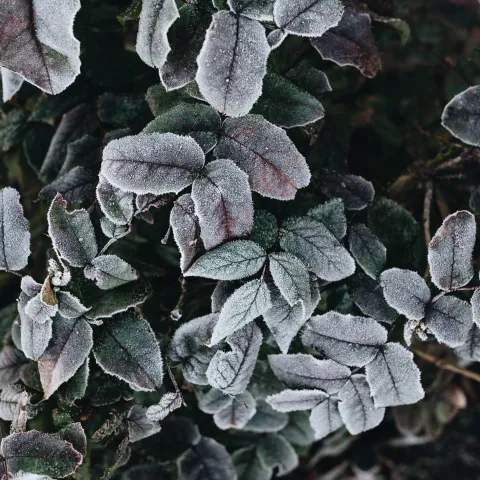
banner frost
UC Marin Master Gardeners: Page

Frost

Frost injures plants by causing ice crystals to form in plant cells. This makes water unavailable to plant tissues and disrupts the movement of fluids. Frost-damaged leaves appear water-soaked, shrivel, and turn dark brown or black.
View Page
Primary Image
Sunny Sky
UC Marin Master Gardeners: Page

Heat

Wilted, drooping leaves are signs of heat stress in plants. Photo credit: Pikist.com Plants are sensitive to both air and soil surface temperatures. Temperatures ranging from 60 to 85F are optimum for plant growth and development.
View Page
Primary Image
Flooded feet
UC Marin Master Gardeners: Page

Flood

Richard Bell, Unsplash Most landscape plants will survive a few days of flooding. Photo credit: Iowa State University Plant roots need air too. Good garden soil contains a network of pore spaces filled with water and air. Both are necessary for healthy roots and beneficial soil-dwelling organisms.
View Page