A Natural Solution for California's Herds: African Catfish Peptides

California's cattle producers and agricultural communities are all too familiar with the rising challenge of antibiotic resistance, making common bacterial infections harder to treat in livestock. But imagine a future where we could tackle these infections with a natural, powerful alternative. Our research points to just that: antimicrobial peptides (AMPs) found in African catfish.

We're really excited about these peptides because African catfish thrive in pathogen-rich freshwater, naturally producing these robust immune compounds in their skin mucus as a defense. This natural origin makes them highly appealing alternatives to synthetic drugs.

Predicted Safety and Potent Action

One of the most compelling aspects of these AMPs is their predicted safety for mammals. Our initial computer analyses suggest that various catfish AMPs are generally recognized as safe (GRAS). We predict they'll be absorbed in the human intestine without causing liver, brain, or heart toxicity. Furthermore, lab tests on a promising peptide, NACAP-II, confirmed it was non-hemolytic, meaning it didn't damage rabbit red blood cells—a strong indicator of its potential safety for mammalian cells.

Beyond safety, these peptides demonstrate effectiveness against problematic bacteria. One study revealed NACAP-II's strong activity against Extended-Spectrum Beta-Lactamase (ESBL)-producing Escherichia coli—a critical concern for both animal and human health due to its resistance to many common antibiotics. Another peptide, ACAP-IV, also showed antibacterial activity against E. coli and Staphylococcus aureus. We believe these AMPs work by directly disrupting bacterial cell membranes, a mechanism that makes it harder for bacteria to develop resistance compared to how they resist traditional antibiotics.
Forestry Research and Outreach: Page

Post-Fire Forest Resilience Online Course

Learn about post-fire forest resilienceGain the fundamental knowledge needed to help your forest recover after wildfire, from landowner assistance programs and reforestation to salvage harvesting.🕑 Self-paced ✅ Free 💻Online via Campus Foundation  Enroll in the courseAbout this courseThis FREE online,…
View Page
Primary Image
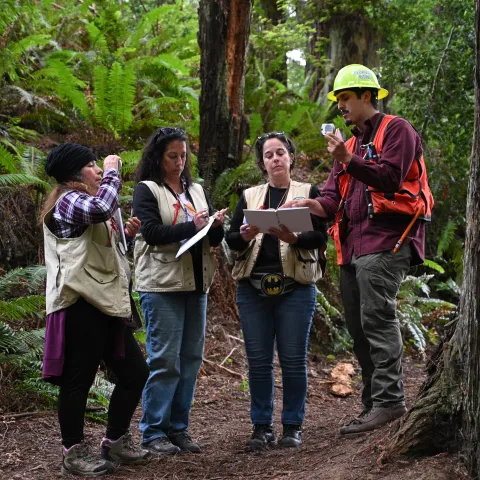
Four people standing in a redwood forest and using forestry tools.
Forestry Research and Outreach: Page

Youth Education

Find information on UCCE K-12 forestry programs, including FIT, Project Learning Tree, and Oak Fireworks. Tags: Forestry Education, Environmental Education, K–12 Education, Teacher Professional Development, Forest Ecosystems, Wildland Fire Education, Project Learning Tree, Project WILD, Next Generation…
View Page
Primary Image
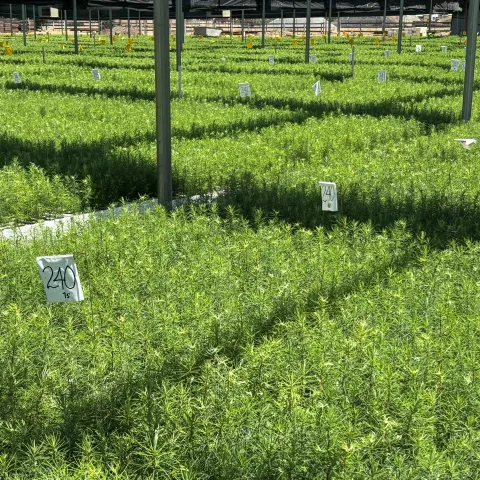
Nursery
Forestry Research and Outreach: Page

Reforestation

Reforestation is a complex, multi-year process involving a sequence of seed collection, site preparation, planting, and seedling maintenance. Proper planning and implementation of these time-sensitive steps are required to ensure long-term seedling success and avoid costly follow-up treatments.
View Page
Forestry Research and Outreach: Page

California Tree Stick

The CA Tree Stick Handout explains how to use the tree stick to measure the height and diameter of a tree.
View Page
Forestry Research and Outreach: Page

Additional Resources

Archeology/Historical Information Resources CA Forest Practice Rules Protection of Archaeological Historical and Cultural Sites California Office of Historic Preservation The formation of the OHP was an outgrowth of the passage of the National Historic Preservation Act of 1966, which called for the...
View Page
Forestry Research and Outreach: Page

Materials/Resources

Forest Stewardship & Forest Ecology Introduction to Forest Stewardship Susan Kocher, UCCE Success in forest improvement projects Fred Euphrat, RPF A Crash Course on Forest Inventory Mike Jones, UCCE Introduction to Mapping Mike Jones, UCCE Forest Management (planning and cost-share programs) Forest...
View Page
Primary Image
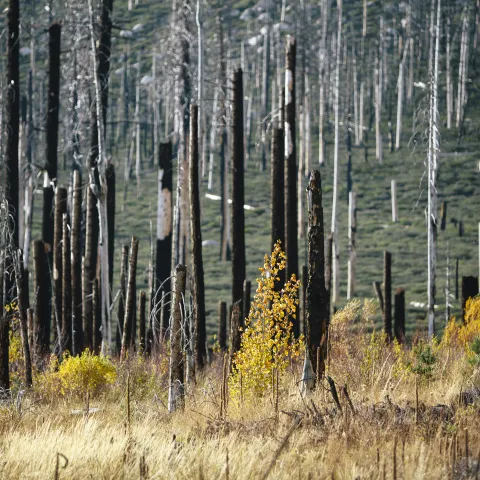
Stand of dead trees in King Fire footprint, El Dorado County.
Forestry Research and Outreach: Page

Post-fire Forest Resilience Education

As seen throughout the last decade, the size, frequency, and severity of wildfires in California has dramatically increased to an unprecedented scale. Consequently, forest landowners are faced with the inevitable challenge of managing for wildfire and addressing its potential impact on their land.
View Page
Primary Image
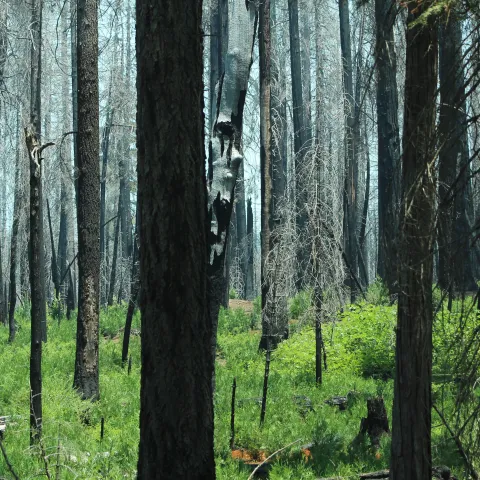
Burned conifer forest with green understory growth.
Forestry Research and Outreach: Page

Fact Sheets for Post-Fire Forest Management

This series of fact sheets has been created to provide landowners and land managers with an overview of specific post-fire topics. All fact sheets have been produced and internally reviewed by UC ANR forestry and natural resource advisors. Resources have been organized in these main topics:Post-Fire…
View Page