A Natural Solution for California's Herds: African Catfish Peptides

California's cattle producers and agricultural communities are all too familiar with the rising challenge of antibiotic resistance, making common bacterial infections harder to treat in livestock. But imagine a future where we could tackle these infections with a natural, powerful alternative. Our research points to just that: antimicrobial peptides (AMPs) found in African catfish.

We're really excited about these peptides because African catfish thrive in pathogen-rich freshwater, naturally producing these robust immune compounds in their skin mucus as a defense. This natural origin makes them highly appealing alternatives to synthetic drugs.

Predicted Safety and Potent Action

One of the most compelling aspects of these AMPs is their predicted safety for mammals. Our initial computer analyses suggest that various catfish AMPs are generally recognized as safe (GRAS). We predict they'll be absorbed in the human intestine without causing liver, brain, or heart toxicity. Furthermore, lab tests on a promising peptide, NACAP-II, confirmed it was non-hemolytic, meaning it didn't damage rabbit red blood cells—a strong indicator of its potential safety for mammalian cells.

Beyond safety, these peptides demonstrate effectiveness against problematic bacteria. One study revealed NACAP-II's strong activity against Extended-Spectrum Beta-Lactamase (ESBL)-producing Escherichia coli—a critical concern for both animal and human health due to its resistance to many common antibiotics. Another peptide, ACAP-IV, also showed antibacterial activity against E. coli and Staphylococcus aureus. We believe these AMPs work by directly disrupting bacterial cell membranes, a mechanism that makes it harder for bacteria to develop resistance compared to how they resist traditional antibiotics.

Event Primary Image
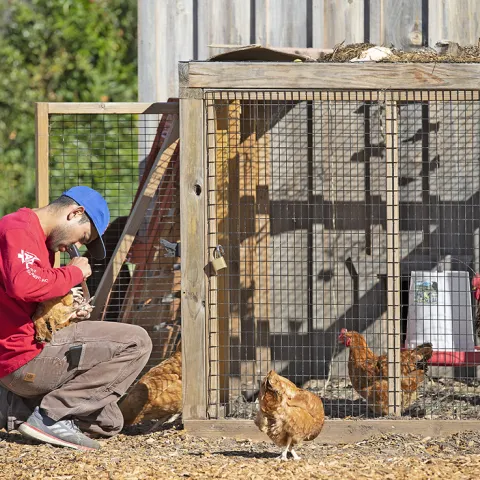
Person caring for a chicken next to a small chicken coop, photo by Evett M Kilmartin, UC ANR
UC Master Gardeners of Santa Clara County: Event

Pests of Backyard Chickens - Online

Event Date
Jan 15, 2026

Chickens may host a variety of different pests, including lice, mites, and fleas. These ectoparasites can negatively affect chicken health, welfare, and production. This presentation will cover identification, prevention, and management of common ectoparasites found in backyard chicken flocks. Visit the…
UC Master Gardeners of Santa Clara County
View Event
Nutrition Policy Institute News: Article

New policy brief explores safety net program participation, diet quality, and weight among disadvantaged children

December 11, 2025
By Brianna Aguayo Villalon, Danielle Lee, Lorrene D Ritchie
A new policy brief highlighting a recent study shows how federal safety net programs such as Medicaid, the Supplemental Nutrition Assistance Program, and especially the Special Supplemental Nutrition Program for Women, Infants, and Children, also known as WIC, play a critical role in improving diet…
View Article
Primary Image
Statues in a formal garden
Fresno Gardening Green: Article

A visit to the Royal Botanical Gardens, Kew

December 11, 2025
 In October 2025, I visited the Royal Botanical Gardens, Kew. Located in a London suburb, it is a showpiece for British Royalty with many foreign gifts (including a great pagoda!). It is also a World Heritage Site with seven world records. At 330 acres, it is one of the largest botanical gardens in the…
View Article
Primary Image
Red poinsettias
Fresno Gardening Green: Article

This week in the garden: Dec. 12 - 18

December 11, 2025
TasksRemove fallen camellia blossoms promptly to prevent petal blight on next year’s flowers.Mistletoe is very difficult to control because reinfestation occurs from nearby infected trees. An infected branch must be removed at its points of origin and at least 1 foot below the cluster.PruningWait to prune…
View Article
Primary Image
FIRES
Nuestra Comunidad: Article

Study exposes invisible risks faced by farmworkers during wildfires

December 10, 2025
By Ricardo A Vela
  Most Sonoma County agricultural workers labored through wildfire smoke — even in a state with some of the strongest protections in the nationSONOMA COUNTY, Calif. — Most farmworkers in Sonoma County have worked at least once under wildfire smoke and hazardous air conditions since 2017, according…
View Article
Primary Image
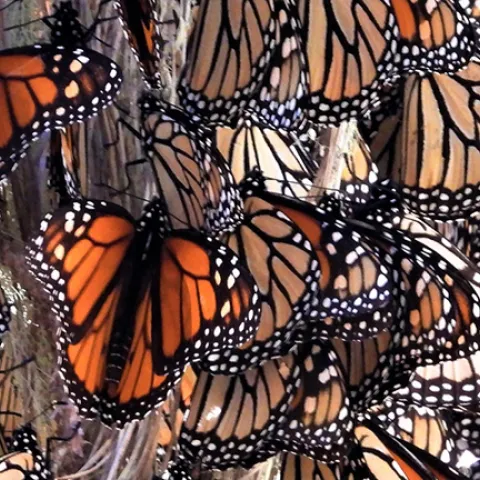
Cluster of overwintering monarchs.
Bug Squad: Article

Radio-Tagging the Migratory Monarchs

December 10, 2025
By Kathy Keatley Garvey
 What exciting research--fitting overwintering monarch butterflies with the newly developed ULTRALIGHT solar-powered radio tags to monitor their movements.Senior conservation biologist Emma Pelton of the Xerces Society for Invertebrate Conservation today announced in a news release that “Scientists are…
View Article
Grown in Marin: Page

Land Access

Whether for livestock or specialty crops, all agriculture starts with the land. Marin’s working landscapes have been under human stewardship for millenia, beginning with the Coastal Miwok who gathered shellfish from the ocean’s edge, managed oak woodlands for acorn production and used good fire to ensure…
View Page
Primary Image
Agricultura orgánica
Noticias: Article

Nueva serie de webinarios de CAFF y UC apoyará a agricultores en su transición a la producción orgánica

December 10, 2025
By Diana Cervantes
 Los agricultores que buscan iniciar o fortalecer su transición hacia la producción orgánica podrán acceder a una nueva serie de seminarios virtuales gratuitos, impartidos por especialistas de la Universidad de California, productores experimentados y expertos en certificación.La serie, titulada “Serie…
View Article