A Natural Solution for California's Herds: African Catfish Peptides

California's cattle producers and agricultural communities are all too familiar with the rising challenge of antibiotic resistance, making common bacterial infections harder to treat in livestock. But imagine a future where we could tackle these infections with a natural, powerful alternative. Our research points to just that: antimicrobial peptides (AMPs) found in African catfish.

We're really excited about these peptides because African catfish thrive in pathogen-rich freshwater, naturally producing these robust immune compounds in their skin mucus as a defense. This natural origin makes them highly appealing alternatives to synthetic drugs.

Predicted Safety and Potent Action

One of the most compelling aspects of these AMPs is their predicted safety for mammals. Our initial computer analyses suggest that various catfish AMPs are generally recognized as safe (GRAS). We predict they'll be absorbed in the human intestine without causing liver, brain, or heart toxicity. Furthermore, lab tests on a promising peptide, NACAP-II, confirmed it was non-hemolytic, meaning it didn't damage rabbit red blood cells—a strong indicator of its potential safety for mammalian cells.

Beyond safety, these peptides demonstrate effectiveness against problematic bacteria. One study revealed NACAP-II's strong activity against Extended-Spectrum Beta-Lactamase (ESBL)-producing Escherichia coli—a critical concern for both animal and human health due to its resistance to many common antibiotics. Another peptide, ACAP-IV, also showed antibacterial activity against E. coli and Staphylococcus aureus. We believe these AMPs work by directly disrupting bacterial cell membranes, a mechanism that makes it harder for bacteria to develop resistance compared to how they resist traditional antibiotics.
Primary Image
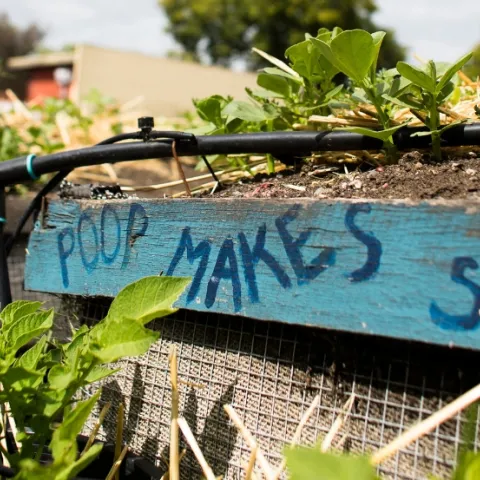
Raised bed with Poop makes soil on it
UC Master Gardener Program: Page

Managing and Amending Soil

Healthy soil is vital for successful gardening, but even good soil can develop problems over time. Understanding when and how to improve your soil can make the difference between thriving and struggling plants.
View Page
Primary Image
Raised bed with Poop makes soil on it
UC Master Gardener Program: Page

Container Soil

Growing plants in containers requires different soil than growing in the ground. Whether you're tending patio plants, houseplants, or a container vegetable garden, understanding potting soil basics will help your plants thrive.
View Page
Primary Image
Raised bed with Poop makes soil on it
UC Master Gardener Program: Page

Soil Properties & Characteristics

Understanding your soil's properties and characteristics helps you become a more successful gardener. In California's diverse landscape, soil can vary dramatically even within short distances. These variations influence everything from how often you water to which plants will thrive in your garden.
View Page
UC Master Gardener Program: Page

Soil improvements and preparation

Healthy soil is an important part of a productive vegetable garden. Source: USDA Soil provides plants with air, water, and nutrients. Garden soils are of three general types, or textures. Texture is difficult to change.
View Page
UC Master Gardener Program: Page

Time of planting

California has a unique vegetable growing climate, we can grow many different types of vegetable crops throughout the year. Crops are classified as warm-season or cool-season crops. Vegetable planting guides provide the approximate planting periods for both cool and warm-season crops.
View Page
UC Master Gardener Program: Page

Irrigation

A sprinkler irrigation display board at the Fair Oaks Horticulture Center in Sacramento, Calif.Photo credit: Melissa Womack Gardens in most areas of California require regular irrigation to provide the soil with the moisture needed for maximum plant growth. Vegetable crops are not drought tolerant.
View Page
UC Master Gardener Program: Page

Fertilizing

Band fertilizing uses a trench to distribute fertilizer to young plants, always follow the manufacturer's instructions. Photo credit: Lauren Snowden (Learn about the fertilization application process before planting in the soil preparation and improvements section.
View Page
UC Master Gardener Program: Page

Thinning

Thinning of radish shoots to prevent overcrowding, thin radishes so plants are 1 inch apart. Photo source: eLearning Brothers Overcrowded plants cannot grow rapidly or reach a good size. Thin small root crops, salad crops, and those grown for greens early at the second or third true leaf stage.
View Page
UC Master Gardener Program: Page

Weeding

Apply mulch around your garden beds and pull young weeds before they can become established in your vegetable garden. Photo credit: Lauren Snowden Weeds adversely affect crop growth by competing for nutrients, water, and sunlight.
View Page
UC Master Gardener Program: Page

Contact Us

Welcome to the UC Master Gardener Program. Whether you are troubleshooting garden pests, learning to compost, or interested in joining our mission, we are here to help.
View Page