A Natural Solution for California's Herds: African Catfish Peptides

California's cattle producers and agricultural communities are all too familiar with the rising challenge of antibiotic resistance, making common bacterial infections harder to treat in livestock. But imagine a future where we could tackle these infections with a natural, powerful alternative. Our research points to just that: antimicrobial peptides (AMPs) found in African catfish.

We're really excited about these peptides because African catfish thrive in pathogen-rich freshwater, naturally producing these robust immune compounds in their skin mucus as a defense. This natural origin makes them highly appealing alternatives to synthetic drugs.

Predicted Safety and Potent Action

One of the most compelling aspects of these AMPs is their predicted safety for mammals. Our initial computer analyses suggest that various catfish AMPs are generally recognized as safe (GRAS). We predict they'll be absorbed in the human intestine without causing liver, brain, or heart toxicity. Furthermore, lab tests on a promising peptide, NACAP-II, confirmed it was non-hemolytic, meaning it didn't damage rabbit red blood cells—a strong indicator of its potential safety for mammalian cells.

Beyond safety, these peptides demonstrate effectiveness against problematic bacteria. One study revealed NACAP-II's strong activity against Extended-Spectrum Beta-Lactamase (ESBL)-producing Escherichia coli—a critical concern for both animal and human health due to its resistance to many common antibiotics. Another peptide, ACAP-IV, also showed antibacterial activity against E. coli and Staphylococcus aureus. We believe these AMPs work by directly disrupting bacterial cell membranes, a mechanism that makes it harder for bacteria to develop resistance compared to how they resist traditional antibiotics.
Primary Image
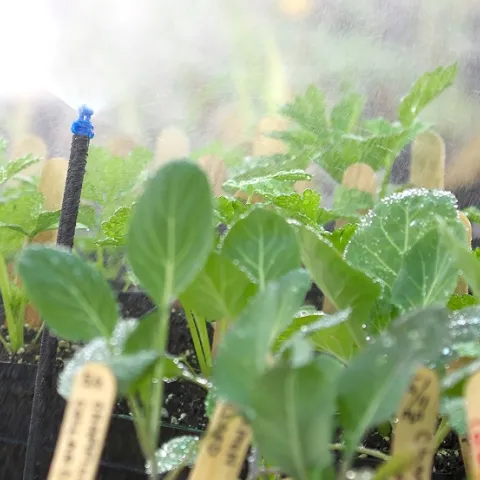
seedlings being watered by a mister
UC Master Gardener Program: Page

Gardening Resources

The UC Master Gardener Program believes that gardening is not just about growing plants, but about cultivating healthier lives, stronger communities, and a more sustainable world.
View Page
Primary Image
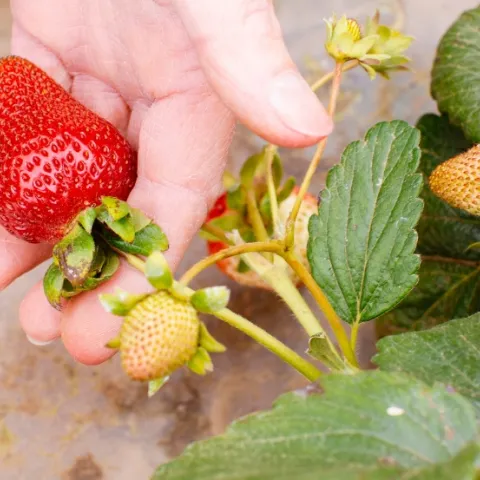
Hand holding a strawberry still attached to the plant
UC Master Gardener Program: Page

Edible Gardening

It is easy to grow your own fruits and vegetables in a container, your yard, a community garden plot or on a large ranch property! To have a successful garden just follow the seven basic rules of edible gardening: Plant only as much as you can easily maintain. Create a garden plan before you begin.
View Page
UC Master Gardener Program: Page

Planning Your Edible Garden

Sample Garden Plan with planting dates and bed widths. Source: California Master Gardener Handbook Growing vegetables in your home or garden is good for you, your neighborhood, and for helping to reduce your global footprint on this earth.
View Page
UC Master Gardener Program: Page

Preparing for Planting

California has a unique vegetable growing climate and can grow many different types of vegetable crops throughout the year. Crops are classified as warm-season or cool-season crops.
View Page
UC Master Gardener Program: Page

Harvesting and Storing

Freshly harvested tomatoes should be stored at room temperature (6570F) and away from direct sunlight (see Group 4).
View Page
Primary Image
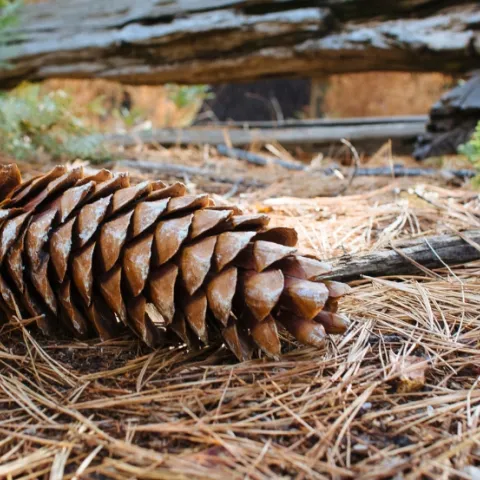
Pinecone on the forest floor
UC Master Gardener Program: Page

Climate Zones

Most gardening books, catalogs, and seed packets refer to plant hardiness zones, climate zones, or growing zones. Temperature hardiness climate zones are based on normally expected high and low temperatures and serve as guides to help you know which plants will grow where you live.
View Page
UC Master Gardener Program: Page

Vegetable Classifications

Vegetables can be classified in many ways, but the two most useful ways to gardening are by their growth habit and their temperature requirements.
View Page
UC Master Gardener Program: Page

Location

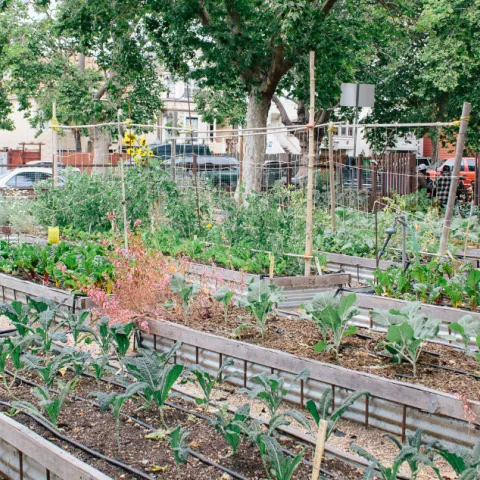
Raised garden beds at the Fair Oaks Horticulture Center. Photo credit: Audrey Brandt Choose the best site for your garden, preferably in a location that is easily accessible from your home. Make sure the site receives 6 to 8 hours of full sun per day.
View Page
UC Master Gardener Program: Page

How much and what to plant?

Plant enough of each vegetable crop to meet your familys needs for fresh, stored, and preserved supplies. For most vegetables, there are a number of varieties (cultivars) from which to choose.
View Page