A Natural Solution for California's Herds: African Catfish Peptides

California's cattle producers and agricultural communities are all too familiar with the rising challenge of antibiotic resistance, making common bacterial infections harder to treat in livestock. But imagine a future where we could tackle these infections with a natural, powerful alternative. Our research points to just that: antimicrobial peptides (AMPs) found in African catfish.

We're really excited about these peptides because African catfish thrive in pathogen-rich freshwater, naturally producing these robust immune compounds in their skin mucus as a defense. This natural origin makes them highly appealing alternatives to synthetic drugs.

Predicted Safety and Potent Action

One of the most compelling aspects of these AMPs is their predicted safety for mammals. Our initial computer analyses suggest that various catfish AMPs are generally recognized as safe (GRAS). We predict they'll be absorbed in the human intestine without causing liver, brain, or heart toxicity. Furthermore, lab tests on a promising peptide, NACAP-II, confirmed it was non-hemolytic, meaning it didn't damage rabbit red blood cells—a strong indicator of its potential safety for mammalian cells.

Beyond safety, these peptides demonstrate effectiveness against problematic bacteria. One study revealed NACAP-II's strong activity against Extended-Spectrum Beta-Lactamase (ESBL)-producing Escherichia coli—a critical concern for both animal and human health due to its resistance to many common antibiotics. Another peptide, ACAP-IV, also showed antibacterial activity against E. coli and Staphylococcus aureus. We believe these AMPs work by directly disrupting bacterial cell membranes, a mechanism that makes it harder for bacteria to develop resistance compared to how they resist traditional antibiotics.
UC Master Gardener Program: Page

By the numbers

UC Master Gardener volunteers are passionate about extending their knowledge of sustainable gardening practices and building partnerships for sustainable community gardens and green spaces. Their tireless efforts are reflected in the impressive data and numbers presented in this impact report.
View Page
UC Master Gardener Program: Page

Impact areas

UC Agriculture and Natural Resources connects the power of UC research in agriculture, natural resources, economic growth, nutrition and youth development with local communities to improve the lives of all Californians.
View Page
UC Master Gardener Program: Page

Promoting health for people and communities

UC Master Gardeners take data on tree growth and health in partnership with Advisor Hartin on the 'Climate-ready Tree' study aimed at cooling urban he California is one of the most populated and urbanized states in the United States, with cities that span hundreds of miles and house millions of peop...
View Page
UC Master Gardener Program: Page

Building climate-resilient communities

Visitors talk to UC Master Gardeners at a Fire Smart Demonstration Garden community event in Marin County. Photo/Bonnie Marks The impact of climate change is visible across California, threatening diverse landscapes and impacting the lives of residents.
View Page
Primary Image
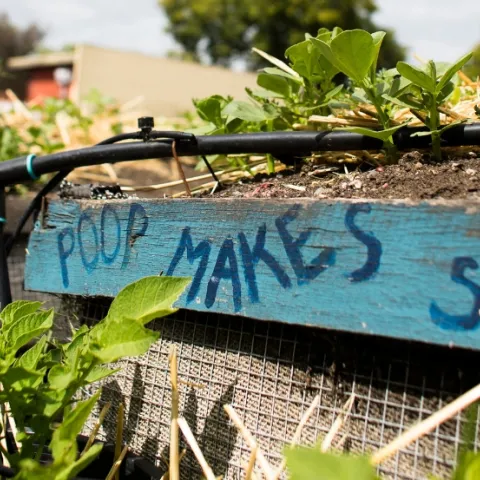
Raised bed with Poop makes soil on it
UC Master Gardener Program: Page

Soil

Healthy soil is the secret to a successful garden. Just like you need nutritious food to grow and thrive, your plants need healthy soil to produce beautiful flowers, delicious vegetables, and strong roots.
View Page
Primary Image
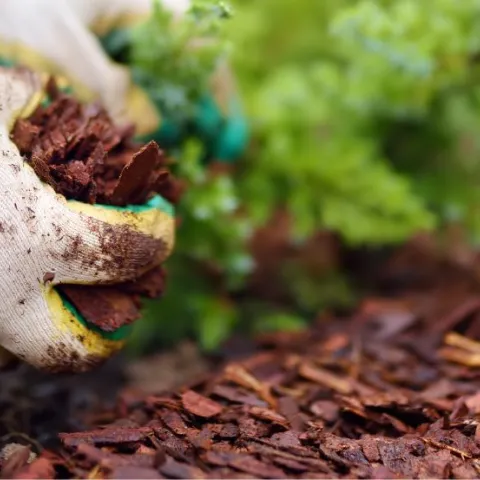
Person wearing gardening gloves spreading mulch in a garden bed.
UC Master Gardener Program: Page

Mulch

Mulching is a simple yet powerful tool for gardeners and landscapers. By applying mulch properly, you can enhance the health and appearance of your plants, reduce water use, and even improve the quality of your soil over time.
View Page
Primary Image
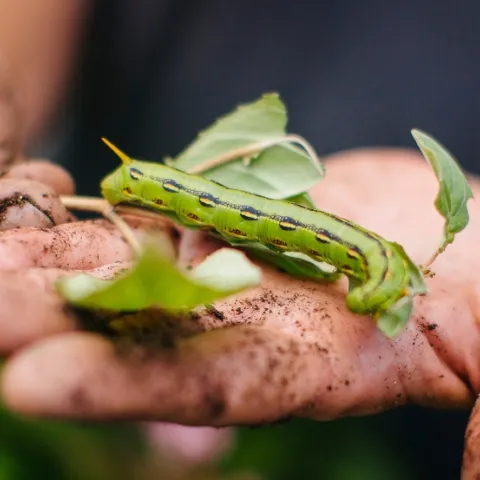
Tomato worm in a person's hand
UC Master Gardener Program: Page

Pest and Weeds

The UC Master Gardener Program understands that pests and weeds can pose significant challenges for gardeners. However, with ecosystem-based integrated pest management (IPM) approaches, you can effectively manage these garden intruders while promoting a thriving and sustainable garden.
View Page
Primary Image
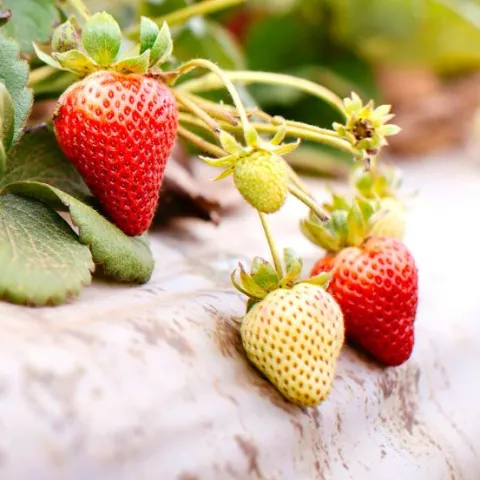
Strawberries
UC Master Gardener Program: Page

About Us

Welcome to the UC Master Gardener Program! We're here to help you grow. Our mission is to provide California residents with research-based information on home horticulture, pest management, and sustainable landscape practices.
View Page