A Natural Solution for California's Herds: African Catfish Peptides

California's cattle producers and agricultural communities are all too familiar with the rising challenge of antibiotic resistance, making common bacterial infections harder to treat in livestock. But imagine a future where we could tackle these infections with a natural, powerful alternative. Our research points to just that: antimicrobial peptides (AMPs) found in African catfish.

We're really excited about these peptides because African catfish thrive in pathogen-rich freshwater, naturally producing these robust immune compounds in their skin mucus as a defense. This natural origin makes them highly appealing alternatives to synthetic drugs.

Predicted Safety and Potent Action

One of the most compelling aspects of these AMPs is their predicted safety for mammals. Our initial computer analyses suggest that various catfish AMPs are generally recognized as safe (GRAS). We predict they'll be absorbed in the human intestine without causing liver, brain, or heart toxicity. Furthermore, lab tests on a promising peptide, NACAP-II, confirmed it was non-hemolytic, meaning it didn't damage rabbit red blood cells—a strong indicator of its potential safety for mammalian cells.

Beyond safety, these peptides demonstrate effectiveness against problematic bacteria. One study revealed NACAP-II's strong activity against Extended-Spectrum Beta-Lactamase (ESBL)-producing Escherichia coli—a critical concern for both animal and human health due to its resistance to many common antibiotics. Another peptide, ACAP-IV, also showed antibacterial activity against E. coli and Staphylococcus aureus. We believe these AMPs work by directly disrupting bacterial cell membranes, a mechanism that makes it harder for bacteria to develop resistance compared to how they resist traditional antibiotics.

Primary Image
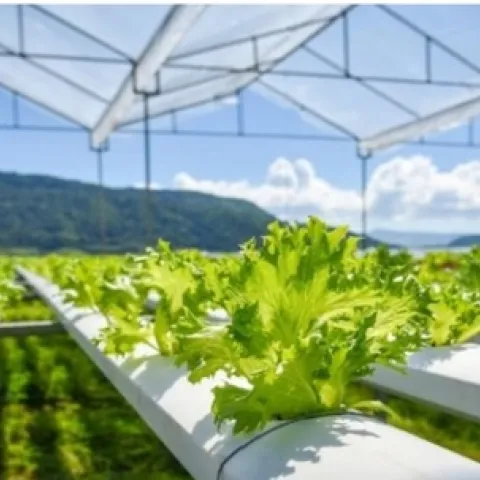
Hydroponic Picture
SoCal Urban Food Production Blog: Article

Water Quality Requirements for Urban Food Production and Hydroponics

January 28, 2025
By Esther N Lofton, Grant E Johnson, Amrita Mukherjee
Urban food production and hydroponic systems are gaining traction in Southern California driven by Increasing interest in local food sources, sustainability, and the efficient use of space and resources.
View Article
Primary Image
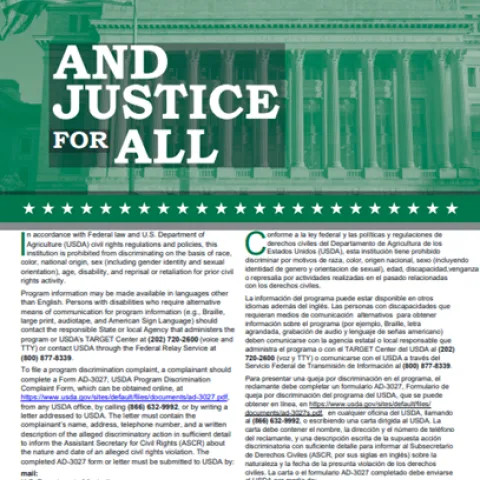
Justice for All poster
ANR Employee News: Article

How to use nondiscrimination statement, poster

January 28, 2025
By Pamela S Kan-Rice
As a federal contractor, UC ANR is required to display the nondiscrimination statement (i.e. the Statement) in a variety of situations and publications. We may as well include, here, the And Justice for All poster (i.e., the Poster), too.
View Article
Primary Image
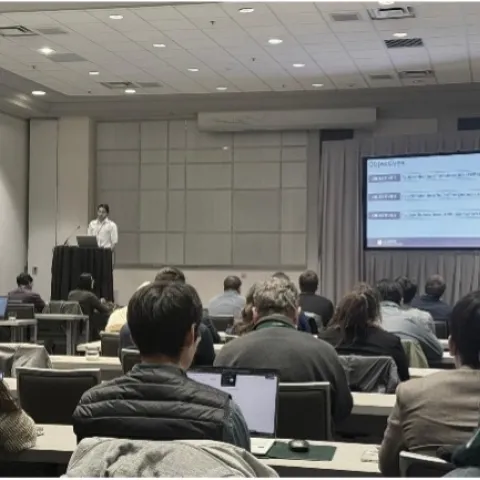
UC Davis Ph.D. student Alexandre Rico Fernandez presents Noelia Silva del Rio lab's HPAI H5N1 study results at at the 2025 Conference of Research Workers in Animal Diseases.
ANR Employee News: Article

Silva del Rio studies HPAI H5N1 in dairy cattle

January 28, 2025
By Pamela S Kan-Rice
Research on highly pathogenic avian influenza H5N1, a virus of growing concern following its spillover into dairy cattle,was featured at the 2025 Conference of Research Workers in Animal Diseases (CRWAD), held in Chicago from Jan. 18 to 21.
View Article
Stanislaus County: Event

Almond Variety Field Day

Event Date
May 8, 2025

View 22 new and experimental almond varieties from UC Davis, USDA, Burchell Nursery, Spain, and Australia, growing side by side in this 3rd leaf commercial orchard of Yorizane, the new self-fertile almond variety from USDA. All but two test varieties are self-fertile. Experimental varieties are being…
Stanislaus County
View Event
UC Cooperative Extension Imperial County: Article

Advances in Irrigation Tools & Technologies Workshop

January 28, 2025
Join us for the upcoming Advances in Irrigation Tools and Technologies Workshop Date: February 27, 2025 Time: 8:00am - 2:30pm (PST) Location: Barbara Worth Country Club, 2050 Country Club Dr.
View Article