A Natural Solution for California's Herds: African Catfish Peptides

California's cattle producers and agricultural communities are all too familiar with the rising challenge of antibiotic resistance, making common bacterial infections harder to treat in livestock. But imagine a future where we could tackle these infections with a natural, powerful alternative. Our research points to just that: antimicrobial peptides (AMPs) found in African catfish.

We're really excited about these peptides because African catfish thrive in pathogen-rich freshwater, naturally producing these robust immune compounds in their skin mucus as a defense. This natural origin makes them highly appealing alternatives to synthetic drugs.

Predicted Safety and Potent Action

One of the most compelling aspects of these AMPs is their predicted safety for mammals. Our initial computer analyses suggest that various catfish AMPs are generally recognized as safe (GRAS). We predict they'll be absorbed in the human intestine without causing liver, brain, or heart toxicity. Furthermore, lab tests on a promising peptide, NACAP-II, confirmed it was non-hemolytic, meaning it didn't damage rabbit red blood cells—a strong indicator of its potential safety for mammalian cells.

Beyond safety, these peptides demonstrate effectiveness against problematic bacteria. One study revealed NACAP-II's strong activity against Extended-Spectrum Beta-Lactamase (ESBL)-producing Escherichia coli—a critical concern for both animal and human health due to its resistance to many common antibiotics. Another peptide, ACAP-IV, also showed antibacterial activity against E. coli and Staphylococcus aureus. We believe these AMPs work by directly disrupting bacterial cell membranes, a mechanism that makes it harder for bacteria to develop resistance compared to how they resist traditional antibiotics.

Primary Image
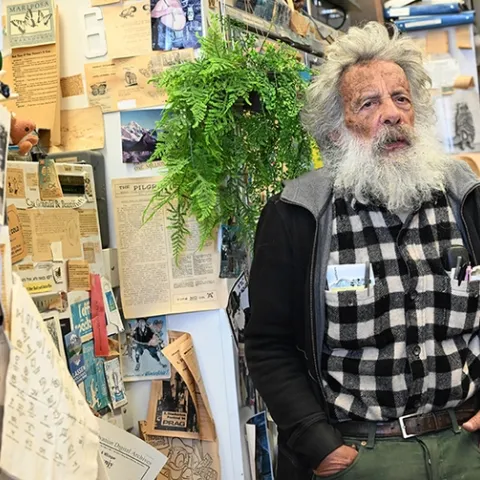
UC Davis distinguished professor emeritus Art Shapiro relates how he collected the 2025 winning cabbage white butterfly. (Photo by Kathy Keatley Garvey)
Bug Squad: Article

Big Blue: A Sweet Ride for a Cabbage White Butterfly

January 27, 2025
By Kathy Keatley Garvey
When UC Davis distinguished professor emeritus Art Shapiro collected the first cabbage white butterfly of the year on Thursday, Jan. 23 to win his annual Beer-for-a-Butterfly Contest, the butterfly rode in sweet style to his campus office/lab--in a Big Blue soda bottle.
View Article
Primary Image
Extension Methods & Delivery banner
ANR Employee News: Article

L&D - Keeping extension relevant, integrating climate into extension, culturally responsive evals, 21-day racial equity habit, ANR credit card machine

January 27, 2025
By Jodi L Azulai
Landing page | Archived webinars | Learning resources Extension Methods & Delivery Building Support Equity, Diversity, Inclusion Office, Team, & Personal Management NECI Professional Development Webinar: Integrating Climate into Extension Programming (Extension Foundation) Feb. 5 | noon - 1 p.
View Article
Primary Image
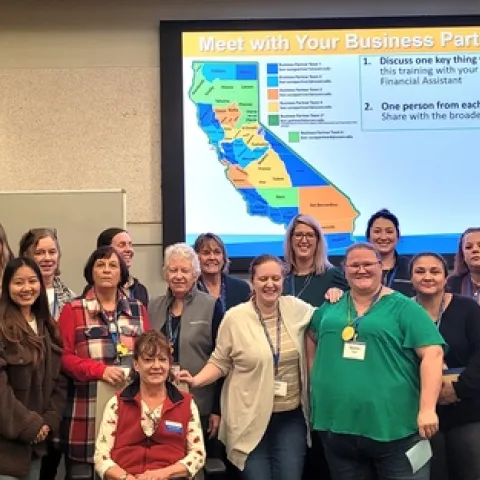
BOC Business Partner Team 1 with their county office partners. Top row from left: Jenel Vinze, Erin Spaniel, Kathleen Stewart, Melanie Weir, Sue Lake, Brandy Lee McCarthy, Stephanie Gomez, Shauna La Brash Bottom row from left: Lupe Ibarra, Lindsey Torres, Mikayla Hwee, Sheree Nuxoll, Kathy Speer, Kaitlin Zuwala, Heather Waller and Kathy Hanke seated.
ANR Employee News: Article

BOC leads a successful training in Davis

January 27, 2025
By Pamela S Kan-Rice
The UC ANR Business Operations Center (BOC) hosted a two-day training on administrative services at the ANR Building in Davis on Dec.
View Article
Nutrition Policy Institute News: Article

New study shows that long-term investments in community nutrition policies and programs supports healthy food access

January 27, 2025
By Brianna Aguayo Villalon, Danielle Lee
A recent study highlights the importance of sustained investment in community nutrition programs and policies to improve healthy food access at home. Children get up to two-thirds of their food from home, making the availability of food in their household a key role in shaping their diets.
View Article
Stanislaus County: Article

Northern San Joaquin Valley Processing Tomato Meeting - 2/12/2025

January 27, 2025
2025 Northern San Joaquin Valley Processing Tomato Meeting University of California Cooperative Extension San Joaquin, Stanislaus, and Merced Counties In conjunction with The California Tomato Growers Association Annual Meeting & Exhibit Wednesday, February 12th, 2025, 8:00 11:00 am Modesto Centre...
View Article