A Natural Solution for California's Herds: African Catfish Peptides

California's cattle producers and agricultural communities are all too familiar with the rising challenge of antibiotic resistance, making common bacterial infections harder to treat in livestock. But imagine a future where we could tackle these infections with a natural, powerful alternative. Our research points to just that: antimicrobial peptides (AMPs) found in African catfish.

We're really excited about these peptides because African catfish thrive in pathogen-rich freshwater, naturally producing these robust immune compounds in their skin mucus as a defense. This natural origin makes them highly appealing alternatives to synthetic drugs.

Predicted Safety and Potent Action

One of the most compelling aspects of these AMPs is their predicted safety for mammals. Our initial computer analyses suggest that various catfish AMPs are generally recognized as safe (GRAS). We predict they'll be absorbed in the human intestine without causing liver, brain, or heart toxicity. Furthermore, lab tests on a promising peptide, NACAP-II, confirmed it was non-hemolytic, meaning it didn't damage rabbit red blood cells—a strong indicator of its potential safety for mammalian cells.

Beyond safety, these peptides demonstrate effectiveness against problematic bacteria. One study revealed NACAP-II's strong activity against Extended-Spectrum Beta-Lactamase (ESBL)-producing Escherichia coli—a critical concern for both animal and human health due to its resistance to many common antibiotics. Another peptide, ACAP-IV, also showed antibacterial activity against E. coli and Staphylococcus aureus. We believe these AMPs work by directly disrupting bacterial cell membranes, a mechanism that makes it harder for bacteria to develop resistance compared to how they resist traditional antibiotics.
Primary Image
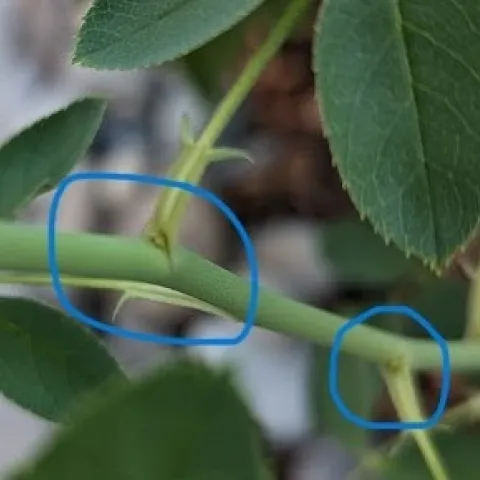
bud union on leaflet picture by D DiNoto
Fresno Gardening Green: Article

Rosie’s Corner: Thoughts of autumn for the rose garden

September 6, 2024
Are you ready for autumn to begin and be done with the heat of the summer? I am looking forward to the fall and it can start anytime in my book! However, looks like we are (still) in for warmer than normal temperatures for the foreseeable future.
View Article
Primary Image
Be mindful of changing irrigation needs as days get shorter and temperatures begin to drop. Adjust automatic timers accordingly. (Photo: Jeannette Warnert)
Fresno Gardening Green: Article

This week in the garden: Sept. 6 - 12

September 6, 2024
When planning the fall changes in your garden, think about drought tolerant plants. A garden is a thing of beauty and a job forever ~ Richard Briers Tasks Despite a few last very hot summer days, fall is rapidly approaching with shorter days and cooler nights.
View Article
Primary Image
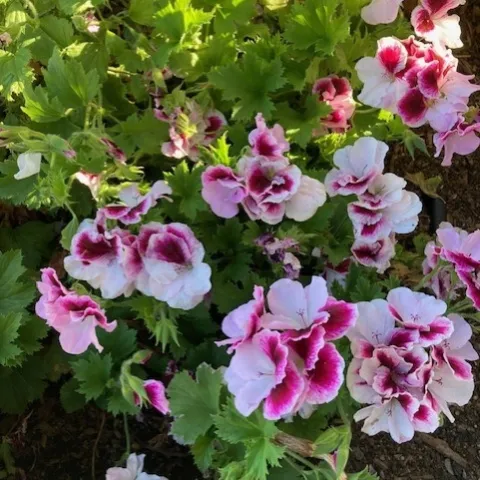
Martha Qashington geranium. photo by Michelle Davis

The Master Gardener Plant Exchange

September 6, 2024
Up and coming: The UCCE Master Gardener Fall Plant Exchange, Saturday, September 28, 2024, 9 AM to 12 PM. Fall is a great time to plant, not just for the plant's health for the gardener's as well. The soil is warm, but the air temperature is usually a little cooler.
View Article
Primary Image
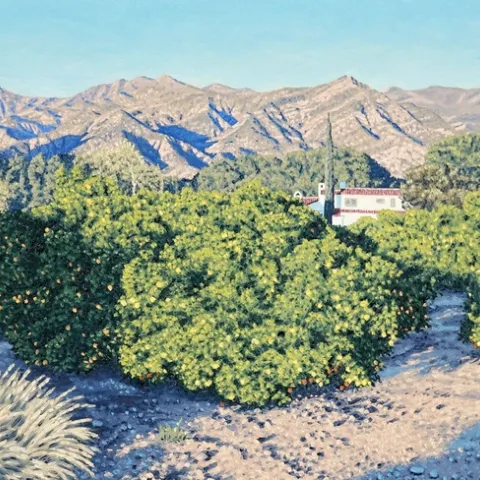
lemon tree image
Topics in Subtropics: Article

California Citrus

September 6, 2024
By Ben A Faber
2024 California Citrus Acreage Report The Pacific Regional Office of the USDA's National Agricultural Statistics Service (NASS) conducts an acreage survey of California citrus growers as funding is available.
View Article
Primary Image
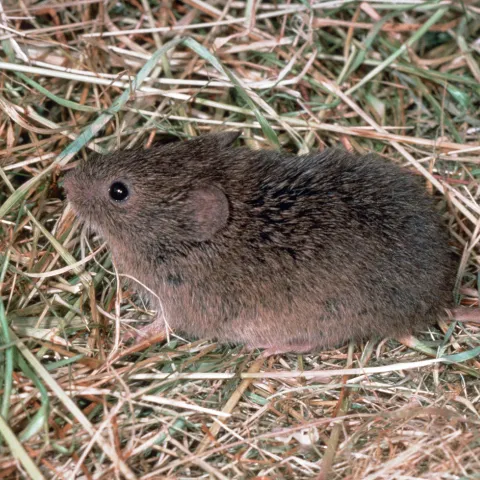
Vole. Jack Kelly Clark. UC IPM Program
The Real Dirt: Article

Serious Garden Pests: Voles, Moles, and Gophers

September 6, 2024
It's an exasperating experience. You go to the nursery, pick out a flowering plant, shrub, or tree and bring it home only to have some critter damage or destroy it within the first week. Pests cause damage and waste time and money.
View Article
Primary Image
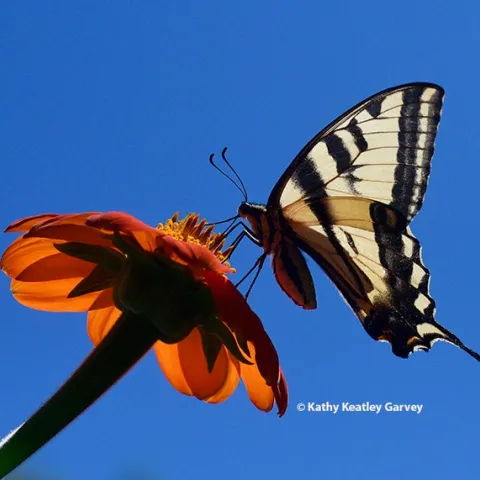
A Western tiger swallowtail lands on a Mexican sunflower and begins to nectar. (Photo by Kathy Keatley Garvey)
Bug Squad: Article

A Tiger and a Tithonia

September 5, 2024
By Kathy Keatley Garvey
When a tiger meets a Tithonia, or a Tithonia meets a tiger, Nature bursts forth in all its glory. Such was the case when we spotted a Western tiger swallowtail, Papilio rutulus, foraging for nectar on a Mexican sunflower, Tithonia rotundifola, in a Vacaville garden.
View Article
Primary Image
dylan beal
Salinas Valley Agriculture: Article

New UCIPM Entomology Advisor--Dylan Beal

September 5, 2024
By Michael D Cahn
Hello everyone, I'm the new UC IPM Entomology Advisor serving the communities of Monterey, Santa Cruz, and San Benito Counties. Born and raised in the Santa Clarita Valley, I'm excited to return to my home state of California.
View Article