A Natural Solution for California's Herds: African Catfish Peptides

California's cattle producers and agricultural communities are all too familiar with the rising challenge of antibiotic resistance, making common bacterial infections harder to treat in livestock. But imagine a future where we could tackle these infections with a natural, powerful alternative. Our research points to just that: antimicrobial peptides (AMPs) found in African catfish.

We're really excited about these peptides because African catfish thrive in pathogen-rich freshwater, naturally producing these robust immune compounds in their skin mucus as a defense. This natural origin makes them highly appealing alternatives to synthetic drugs.

Predicted Safety and Potent Action

One of the most compelling aspects of these AMPs is their predicted safety for mammals. Our initial computer analyses suggest that various catfish AMPs are generally recognized as safe (GRAS). We predict they'll be absorbed in the human intestine without causing liver, brain, or heart toxicity. Furthermore, lab tests on a promising peptide, NACAP-II, confirmed it was non-hemolytic, meaning it didn't damage rabbit red blood cells—a strong indicator of its potential safety for mammalian cells.

Beyond safety, these peptides demonstrate effectiveness against problematic bacteria. One study revealed NACAP-II's strong activity against Extended-Spectrum Beta-Lactamase (ESBL)-producing Escherichia coli—a critical concern for both animal and human health due to its resistance to many common antibiotics. Another peptide, ACAP-IV, also showed antibacterial activity against E. coli and Staphylococcus aureus. We believe these AMPs work by directly disrupting bacterial cell membranes, a mechanism that makes it harder for bacteria to develop resistance compared to how they resist traditional antibiotics.
Primary Image
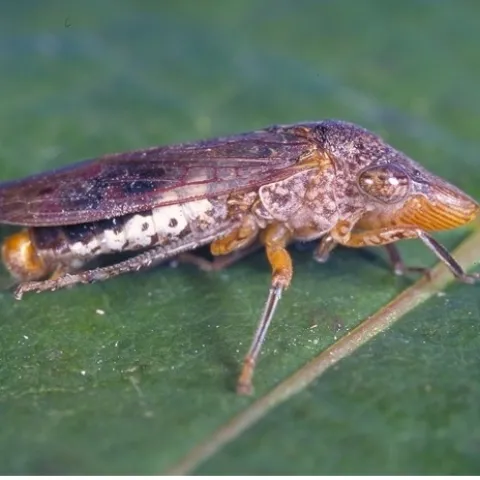
A long, speckled brown insect with a pointed head on a green leaf.
Pests in the Urban Landscape: Article

What are exotic and invasive pests?

July 16, 2024
By Belinda Messenger-Sikes
Exotic and invasive pests threaten California's natural environments, agricultural production, structures, landscapes and gardens. Exotic pests are organisms introduced into an area beyond their natural range and become pests in the new environment.
View Article
Article

What I grow

July 16, 2024
By Stephen Dampier
I grow Hot Hot Hot peppers including: Carolina Reapers Red Ghost Peppers aka Bhut Jolokia Habanero Rocoto Serrano I have other peppers I grow but they vary depending on my mood. Sweating is good. Hot peppers are fantastic for sweating. Therefore I Love Hot Hot Hot Peppers.
View Article

ESRI User Conference 2004 in San Diego - Day 1

July 15, 2024
By Shane T Feirer
The first day of the 2024 ESRI User Conference was filled with exciting announcements and innovative stories of Conservation and GIS. With around 21,000 attendees in San Diego and an additional people joining virtually, the energy and enthusiasm were palpable.
View Article
Primary Image
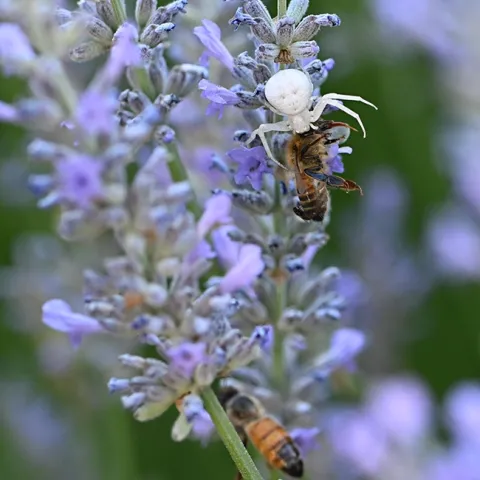
The resident crab spider nails a honey bee, as another bee continues to forage in the lavender. (Photo by Kathy Keatley Garvey)
Bug Squad: Article

Saga of the Spider and the Bee

July 15, 2024
By Kathy Keatley Garvey
(Continued from the July 13th Bug Squad) Our resident crab spider, family Thomisidae, appears to be an extremely poor hunter. She waits, camouflaged in the lavender patch, as bees buzz around her. They dart away when she lunges at them.
View Article
Primary Image
photo by DJ Andriessen
The Savvy Sage: Article

Revival of a Garden

July 15, 2024
In 2012, Delta Elementary Charter School (DECS) teachers and the Administration in Clarksburg decided to write a grant to use the money to create a learning garden dedicated to a past principal, Don Fenocchio.
View Article