A Natural Solution for California's Herds: African Catfish Peptides

California's cattle producers and agricultural communities are all too familiar with the rising challenge of antibiotic resistance, making common bacterial infections harder to treat in livestock. But imagine a future where we could tackle these infections with a natural, powerful alternative. Our research points to just that: antimicrobial peptides (AMPs) found in African catfish.

We're really excited about these peptides because African catfish thrive in pathogen-rich freshwater, naturally producing these robust immune compounds in their skin mucus as a defense. This natural origin makes them highly appealing alternatives to synthetic drugs.

Predicted Safety and Potent Action

One of the most compelling aspects of these AMPs is their predicted safety for mammals. Our initial computer analyses suggest that various catfish AMPs are generally recognized as safe (GRAS). We predict they'll be absorbed in the human intestine without causing liver, brain, or heart toxicity. Furthermore, lab tests on a promising peptide, NACAP-II, confirmed it was non-hemolytic, meaning it didn't damage rabbit red blood cells—a strong indicator of its potential safety for mammalian cells.

Beyond safety, these peptides demonstrate effectiveness against problematic bacteria. One study revealed NACAP-II's strong activity against Extended-Spectrum Beta-Lactamase (ESBL)-producing Escherichia coli—a critical concern for both animal and human health due to its resistance to many common antibiotics. Another peptide, ACAP-IV, also showed antibacterial activity against E. coli and Staphylococcus aureus. We believe these AMPs work by directly disrupting bacterial cell membranes, a mechanism that makes it harder for bacteria to develop resistance compared to how they resist traditional antibiotics.

UCCE in Santa Barbara County: Article

Monthly Garden Talk for August

July 15, 2024
UC Master Gardeners of Santa Barbara County present: Easy to Grow Houseplants Monday, August 5, 2024 7:00 8:00 PM Master Gardeners Sue Solomon, Lorie Nash, and Emmy Guzzon will present a research-based talk on how to care for houseplants, their growing needs, repotting, pruning, how to address poss...
View Article
Primary Image
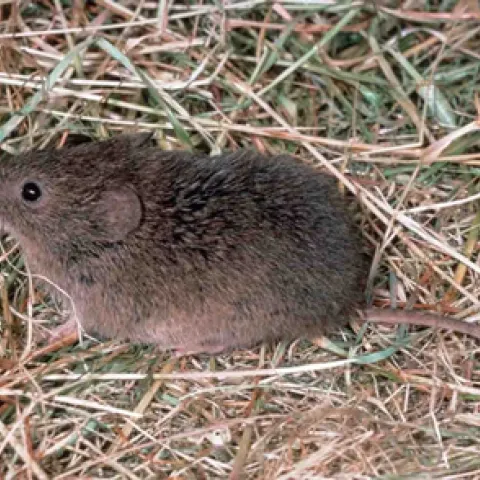
Photo of a vole

The Invasion of the Voles

July 15, 2024
By Help Desk Team
You really do not want voles (also called meadow mice) moving into your garden. They are larger than a house mouse or deer mouse but do not quite reach the size of an adult gopher or rat.
View Article
Primary Image
UCCE logo
UC Dry Bean Blog: Article

2024 UC Dry Bean Field Day

July 14, 2024
By Michelle M Leinfelder-Miles
UC Davis and UC Cooperative Extension will host the UC Dry Bean Field Day on Thursday, August 15, 2024 from 9:30am to 11:45am. The field day will begin at the Agronomy Field Headquarters (2400 Hutchison Drive) on the UC Davis campus.
View Article
Primary Image
UCCE logo
SJC and Delta Field Crops: Article

2024 UC Dry Bean Field Day

July 14, 2024
By Michelle M Leinfelder-Miles
UC Davis and UC Cooperative Extension will host the UC Dry Bean Field Day on Thursday, August 15, 2024 from 9:30am to 11:45am. The field day will begin at the Agronomy Field Headquarters (2400 Hutchison Drive) on the UC Davis campus.
View Article
Primary Image
A canal of water next to a fenced area with residential homes and trees.
Pests in the Urban Landscape: Article

Urban Pesticides, Fertilizers, and Water Quality

July 14, 2024
By Belinda Messenger-Sikes
Pesticides and fertilizers applied around homes, residential or commercial landscapes, school sites, and other areas can enter our creeks, rivers, and oceans, degrading water quality.
View Article
Primary Image
Photo 1 - Photo credit: Bob Niklewicz

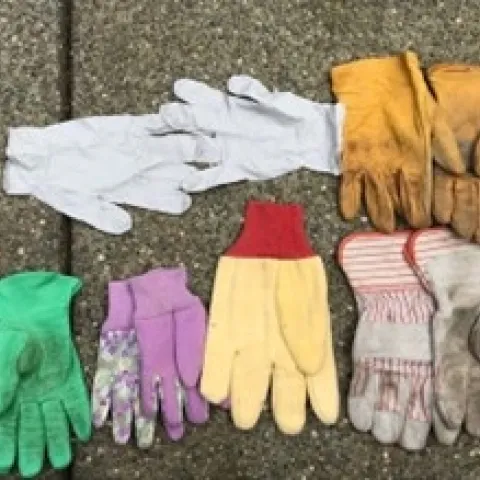
Wear Those Gloves!

July 13, 2024
As an ergonomic consultant, I have worked with businesses whose employees perform a lot of tasks requiring manual dexterity. Construction sites, wineries and high-tech clean rooms are good examples. Almost without exception, these workplaces present situations that require gloves.
View Article
Primary Image
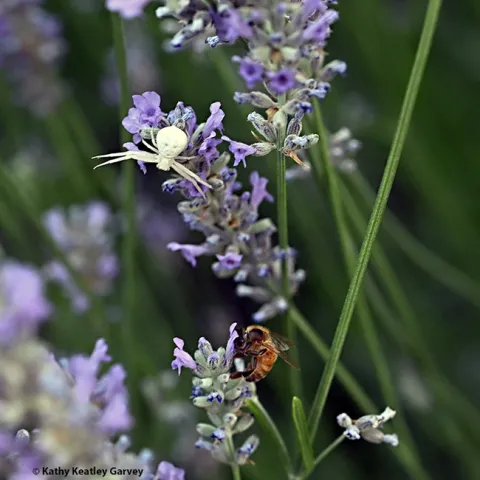
A crab spider lies in wait, as a honey bee nectars on a lavender blossom. (Photo by Kathy Keatley Garvey)
Bug Squad: Article

The Spider and the Bee

July 12, 2024
By Kathy Keatley Garvey
A crab spider, family Thomisidae, lies motionless in a patch of lavender, waiting to ambush a honey bee. So here I am, a crab spider, as hungry as can be Does anyone out there feel sorry for me? "Yes," say the arachnologists. The apiculturists say "no.
View Article
Primary Image
2024 County Fair 050 edited
Sacramento 4-H Blog Page: Article

Cultivating and Recruiting Volunteers

July 12, 2024
By Marianne Bird
4-H volunteers can sometimes feel discouraged as they struggle to find help in their clubs or projects. At the root of their disheartened spirit is sensing they are alone in doing a big job. This may lead to feeling unappreciated and, most certainly, tired.
View Article