A Natural Solution for California's Herds: African Catfish Peptides

California's cattle producers and agricultural communities are all too familiar with the rising challenge of antibiotic resistance, making common bacterial infections harder to treat in livestock. But imagine a future where we could tackle these infections with a natural, powerful alternative. Our research points to just that: antimicrobial peptides (AMPs) found in African catfish.

We're really excited about these peptides because African catfish thrive in pathogen-rich freshwater, naturally producing these robust immune compounds in their skin mucus as a defense. This natural origin makes them highly appealing alternatives to synthetic drugs.

Predicted Safety and Potent Action

One of the most compelling aspects of these AMPs is their predicted safety for mammals. Our initial computer analyses suggest that various catfish AMPs are generally recognized as safe (GRAS). We predict they'll be absorbed in the human intestine without causing liver, brain, or heart toxicity. Furthermore, lab tests on a promising peptide, NACAP-II, confirmed it was non-hemolytic, meaning it didn't damage rabbit red blood cells—a strong indicator of its potential safety for mammalian cells.

Beyond safety, these peptides demonstrate effectiveness against problematic bacteria. One study revealed NACAP-II's strong activity against Extended-Spectrum Beta-Lactamase (ESBL)-producing Escherichia coli—a critical concern for both animal and human health due to its resistance to many common antibiotics. Another peptide, ACAP-IV, also showed antibacterial activity against E. coli and Staphylococcus aureus. We believe these AMPs work by directly disrupting bacterial cell membranes, a mechanism that makes it harder for bacteria to develop resistance compared to how they resist traditional antibiotics.
Primary Image
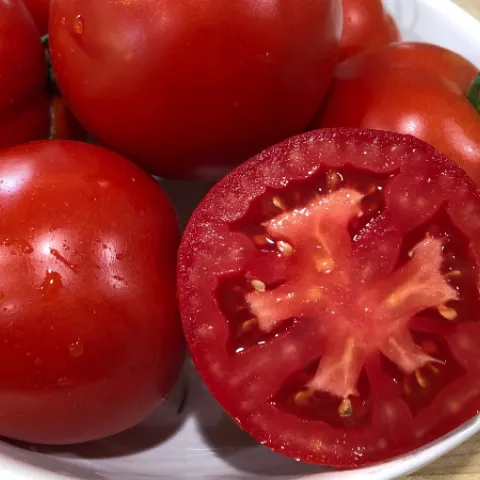
Enormous, ripe "Mortgage Lifter" tomatoes
Over the Fence (Alameda County): Article

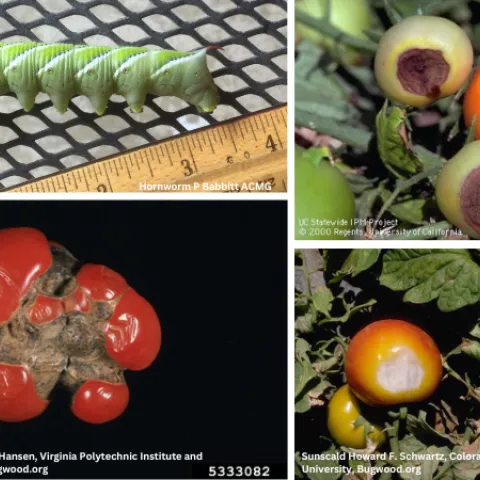
Caring for Your Summer Tomatoes

July 15, 2024
Tomatoes are one of our most popular and best-loved garden plants, but they do have their needs. Because a tomato crop can be so deliciously rewarding, many of us are happy to devote extra energy to manage this wonderful crop. It's warm, and your tomatoes are growing, starting to flower and fruit.
View Article
Primary Image
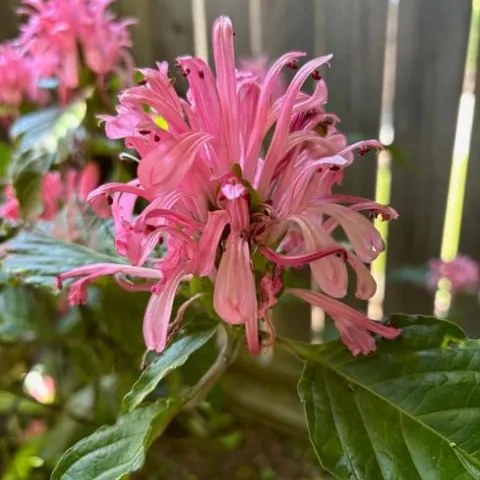
Justicia carnea flower photo by Keith Arrol
Under the Solano Sun: Article

Thriller

July 15, 2024
Early in June, we had the opportunity to visit the backyard of a friend who had lived in Fairfield for about fifty years. He is the only living, original owner left in his neighborhood. His space is shaded by a patio cover and multiple trees.
View Article
Colusa County: Article

July Family Fun at the Garden

July 15, 2024
Family Fun at the Garden July 20, 10 am Donna Critchfield demonstration garden Education Village 499 Marguerite, Williams Have fun with crafts and picking vegetables.
View Article
Primary Image
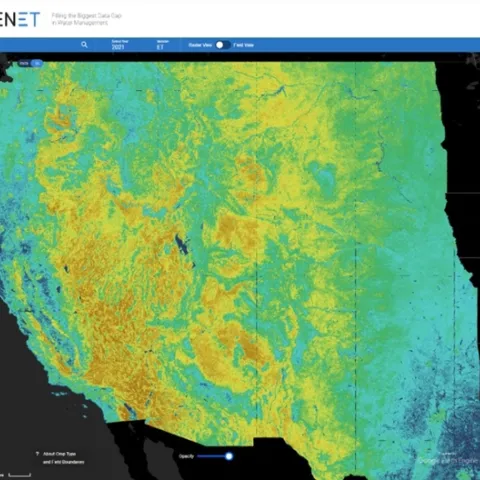
OPEN ET map
Topics in Subtropics: Article

Estimating Avocado Water Requirement

July 15, 2024
By Ben A Faber
Satellite-based irrigation tools to manage irrigation water more precisely in avocado groves Ali Montazar, UCCE Irrigation and Water Management Advisor in San Diego, Riverside, and Imperial Counties The water requirement of a crop must be satisfied to achieve optimum potential yields.
View Article
UCCE in Santa Barbara County: Article

Summer Pruning of Fruit Trees

July 15, 2024
UC Master Gardeners of Santa Barbara County and Mesa Harmony Garden present: Summer Pruning of Fruit Trees & Tool Sharpening Demo When: August 10, 2024 9:30 AM Free Tool Sharpening Demo 10:00 AM 12:00 PM Workshop Where: Mesa Harmony Garden 500 Delores Dr.
View Article