A Natural Solution for California's Herds: African Catfish Peptides

California's cattle producers and agricultural communities are all too familiar with the rising challenge of antibiotic resistance, making common bacterial infections harder to treat in livestock. But imagine a future where we could tackle these infections with a natural, powerful alternative. Our research points to just that: antimicrobial peptides (AMPs) found in African catfish.

We're really excited about these peptides because African catfish thrive in pathogen-rich freshwater, naturally producing these robust immune compounds in their skin mucus as a defense. This natural origin makes them highly appealing alternatives to synthetic drugs.

Predicted Safety and Potent Action

One of the most compelling aspects of these AMPs is their predicted safety for mammals. Our initial computer analyses suggest that various catfish AMPs are generally recognized as safe (GRAS). We predict they'll be absorbed in the human intestine without causing liver, brain, or heart toxicity. Furthermore, lab tests on a promising peptide, NACAP-II, confirmed it was non-hemolytic, meaning it didn't damage rabbit red blood cells—a strong indicator of its potential safety for mammalian cells.

Beyond safety, these peptides demonstrate effectiveness against problematic bacteria. One study revealed NACAP-II's strong activity against Extended-Spectrum Beta-Lactamase (ESBL)-producing Escherichia coli—a critical concern for both animal and human health due to its resistance to many common antibiotics. Another peptide, ACAP-IV, also showed antibacterial activity against E. coli and Staphylococcus aureus. We believe these AMPs work by directly disrupting bacterial cell membranes, a mechanism that makes it harder for bacteria to develop resistance compared to how they resist traditional antibiotics.

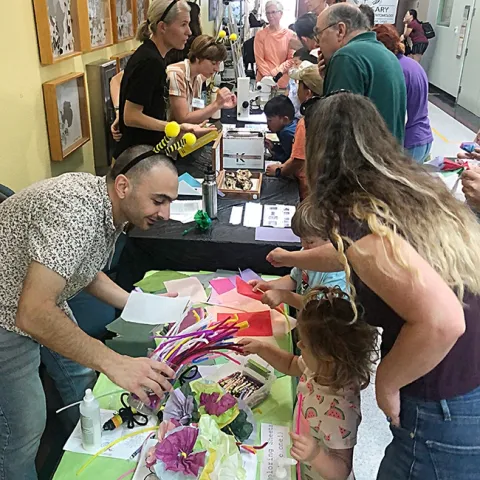
Primary Image
The Rachel Vannette lab engages the crowd at the Bohart Museum open house. In front, from back, are doctoral student Dino Sbardellati, associate professor Rachel Vannette, junior specialist Leta Landucci and doctoral candidate Lexie Martin. (Photo by Kathy Keatley Garvey)
Bug Squad: Article

Bees Reign at Bohart Museum Open House

May 24, 2024
By Kathy Keatley Garvey
World Bee Day was May 20, but the Bohart Museum of Entomology celebrated it early--on May 19--with an open house on wild bees and managed bees. More than 300 attended the May 19th event, noted Tabatha Yang, education and outreach coordinator.
View Article
Article

2024-25 UC Cooperative Extension positions announced

May 24, 2024
By Pamela S Kan-Rice
Dear Colleagues, It is with great pleasure that I announce that the University of California Agriculture and Natural Resources (UC ANR) is continuing to support the research and extension needs of California through placement of new University of California Cooperative Extension (UCCE) Advisor and S...
View Article
Primary Image
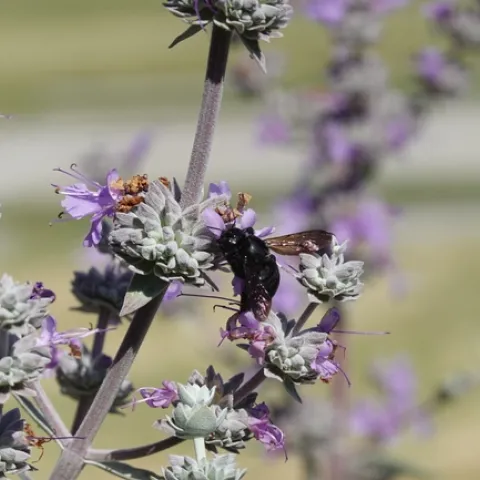
Large black bee perches on purple flower.
The Stanislaus Sprout: Article

Spectacular Salvias - Native Sages

May 24, 2024
By Anne E Schellman
If you ask me what the one plant you should plant in your garden is, my response would likely be salvia. A favorite of mine, technically, salvia is not just one plant, but a group of well over a hundred plants in the Lamiaceae (mint) family.
View Article
Primary Image
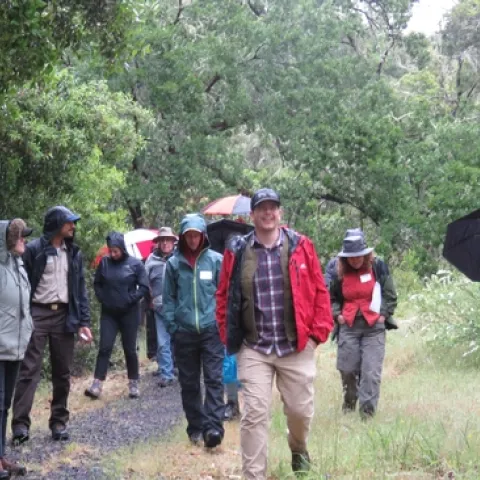
UC ANR Forestry Advisor Mike Jones leads participants in a field class on oak woodland ecosystems. Credit: G.Dean..
Blog - Forest Research and Outreach : Article

Forest Stewardship Branches Out with California Tree School- Hopland

May 24, 2024
By Grace N Dean
5,000 acres of Mendocino County oak woodlands provided the backdrop for UC ANR's first California Tree School session on May 4, which saw 45 forest landowners, natural resource professionals, and students join the UC ANR Forest Stewardship team at the Hopland REC for this special educational event.
View Article
Primary Image
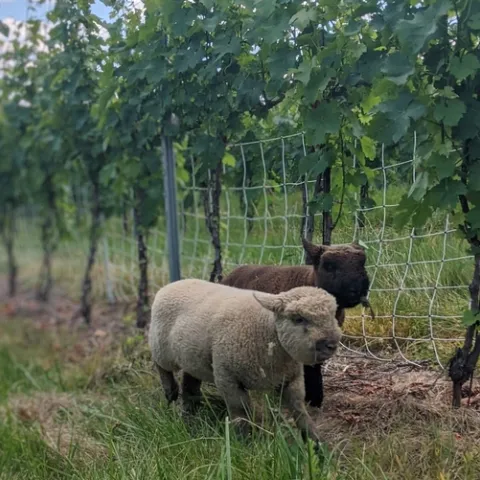
Sheep
Climate Smart Agriculture: Article

Sheep in the Vineyard?

May 24, 2024
By Michael Jaquez
Historically, farmers raised both crops and livestock because they are mutually beneficial.
View Article
Primary Image
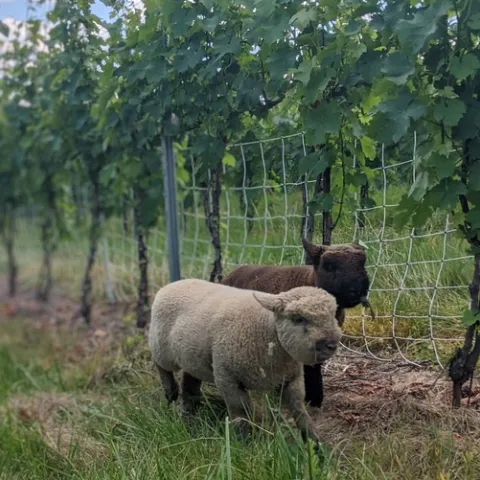
Sheep
San Diego County Climate Smart Agriculture: Article

Sheep in the Vineyard?

May 24, 2024
By Michael Jaquez
Historically, farmers raised both crops and livestock because they are mutually beneficial.
View Article