A Natural Solution for California's Herds: African Catfish Peptides

California's cattle producers and agricultural communities are all too familiar with the rising challenge of antibiotic resistance, making common bacterial infections harder to treat in livestock. But imagine a future where we could tackle these infections with a natural, powerful alternative. Our research points to just that: antimicrobial peptides (AMPs) found in African catfish.

We're really excited about these peptides because African catfish thrive in pathogen-rich freshwater, naturally producing these robust immune compounds in their skin mucus as a defense. This natural origin makes them highly appealing alternatives to synthetic drugs.

Predicted Safety and Potent Action

One of the most compelling aspects of these AMPs is their predicted safety for mammals. Our initial computer analyses suggest that various catfish AMPs are generally recognized as safe (GRAS). We predict they'll be absorbed in the human intestine without causing liver, brain, or heart toxicity. Furthermore, lab tests on a promising peptide, NACAP-II, confirmed it was non-hemolytic, meaning it didn't damage rabbit red blood cells—a strong indicator of its potential safety for mammalian cells.

Beyond safety, these peptides demonstrate effectiveness against problematic bacteria. One study revealed NACAP-II's strong activity against Extended-Spectrum Beta-Lactamase (ESBL)-producing Escherichia coli—a critical concern for both animal and human health due to its resistance to many common antibiotics. Another peptide, ACAP-IV, also showed antibacterial activity against E. coli and Staphylococcus aureus. We believe these AMPs work by directly disrupting bacterial cell membranes, a mechanism that makes it harder for bacteria to develop resistance compared to how they resist traditional antibiotics.
Primary Image
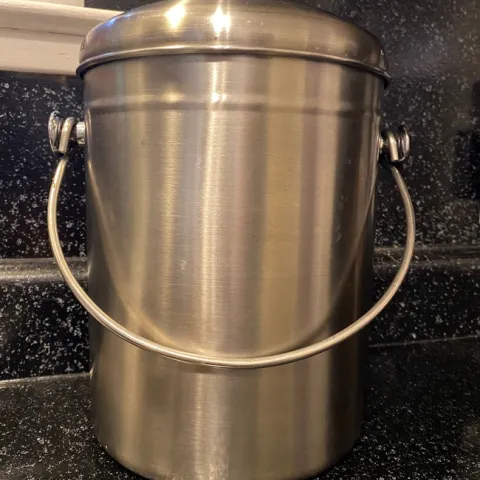
A silver, stainless steel pail with a handle and lid sitting on a kitchen counter.
Pests in the Urban Landscape: Article

Maggots in your food waste bin?

May 21, 2024
By Lauren Fordyce
Indoor food waste bins (also known as kitchen bins or compost bins) have become a popular addition to Californian homes. They are a great way to collect food scraps and divert food waste from landfills, but they can sometimes attract pest insects like maggots, ants, and fruit flies.
View Article
Nutrition Policy Institute News: Article

NPI welcomes Elsa Esparza as new project policy analyst

May 20, 2024
By Wendi Gosliner, Danielle Lee, Elsa M Esparza
Elsa Esparza joined the Nutrition Policy Institute at the University of California, Agriculture and Natural Resources on March 18, 2024 as a part-time project policy analyst.
View Article
Primary Image
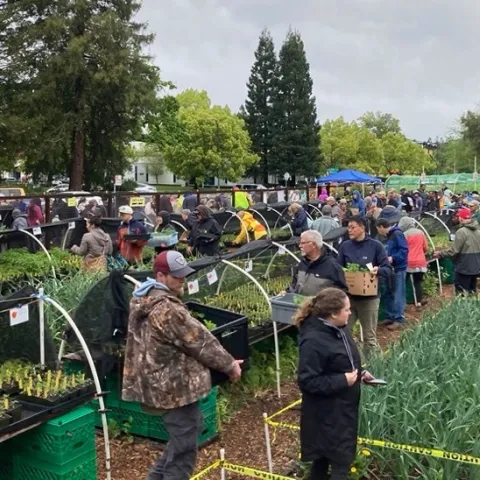
Customers load up on the offerings at the Our Garden Walnut Creek GTPS. Photo by Greg Letts.
UC Master Gardener Program of Contra Costa County: Article

2024 GTPS Succeeds Across the County

May 20, 2024
By Janet Miller, Mary Jo Corby and Wendy Kraft The 2024 Great Tomato Plant Sale was the first year since COVID-19 that we have had a sale in all three county areas! Welcome back to Rivertown Garden, where there was a steady flow of customers all day and the garden looked fabulous! At the Richmond P...
View Article
Primary Image
The nearly 500 West County GTPS customers line up around the block and wait for the sale to start.
UC Master Gardener Program of Contra Costa County: Article

West County GTPS Serves Nearly 500 Residents

May 20, 2024
By Liz Rottger Photos by Jim Marchetti Perhaps the most challenging of all of the Contra Costa UC Master Gardener's Great Tomato Plant Sales is in West County. Growing plants in one place and then selling them in an entirely different place is simply crazy.
View Article
UC Master Gardener Program of Contra Costa County: Article

West County GTPS Banner Honors Local Families

May 20, 2024
UC Master Gardeners Liz Rottger and Fletcher Oakes created this tribute poster for the West County Great Tomato Plant Sale to honor the sizeable flower-growing community of Japanese ancestry that settled in Richmond/El Cerrito and were incarcerated during World War II.
View Article
UC Master Gardener Program of Contra Costa County: Article

Pam Austin and the School Gardens

May 20, 2024
by David George UC Master Gardener Pam Austin has been working and driving overtime as lead for the School Gardens project since the departure last year of Co-Lead Kate Verhoef from the Contra Costa program.
View Article
Primary Image
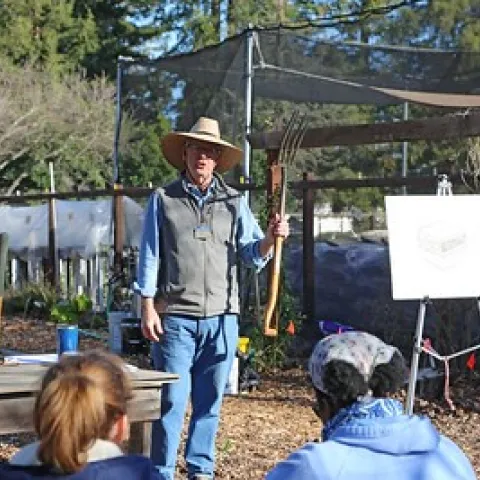
UC Master Gardener Greg Letts demonstrates various tools used to garden.
UC Master Gardener Program of Contra Costa County: Article

Why Do I Like Working on the Growing Gardener Project?

May 20, 2024
Article By Ann Ramirez Photos by Hedwig Van Den Broeck-Claeys Spring is here, and Summer is coming. We had our first group of enthusiastic beginning vegetable gardeners in February and are now beginning our May course.
View Article
UC Master Gardener Program of Contra Costa County: Article

Growing Up Together

May 20, 2024
Article by Meb Phillips Photos by Mary Beth Phillips In some indigenous cultures, often in May, the golden triangle of the corn seed, the glossy brown bean, and the hand-pie-shaped squash seed are planted together in a mound. These are called the Three Sisters.
View Article
Primary Image
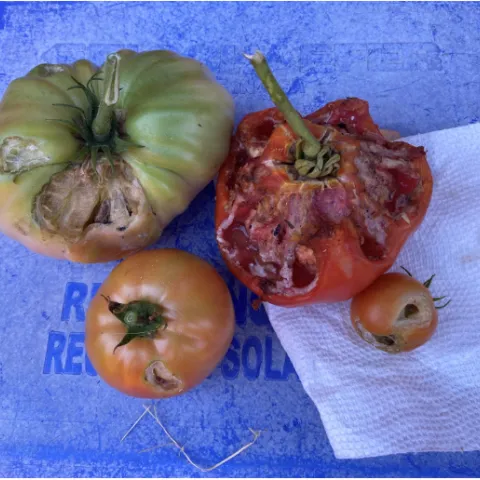
WhatsEatingTomatoes-1
UC Master Gardener Program of Contra Costa County: Article

Can you tell me what's eating my beautiful tomatoes? Squirrels?

May 20, 2024
By Susan Heckly Thank you for contacting the UC Master Gardener Program Help Desk and for sending a photo of your poor tomatoes. If the tomatoes were still on your plants and not moved a distance away when you discovered this, it's rats doing the damage.
View Article