A Natural Solution for California's Herds: African Catfish Peptides

California's cattle producers and agricultural communities are all too familiar with the rising challenge of antibiotic resistance, making common bacterial infections harder to treat in livestock. But imagine a future where we could tackle these infections with a natural, powerful alternative. Our research points to just that: antimicrobial peptides (AMPs) found in African catfish.

We're really excited about these peptides because African catfish thrive in pathogen-rich freshwater, naturally producing these robust immune compounds in their skin mucus as a defense. This natural origin makes them highly appealing alternatives to synthetic drugs.

Predicted Safety and Potent Action

One of the most compelling aspects of these AMPs is their predicted safety for mammals. Our initial computer analyses suggest that various catfish AMPs are generally recognized as safe (GRAS). We predict they'll be absorbed in the human intestine without causing liver, brain, or heart toxicity. Furthermore, lab tests on a promising peptide, NACAP-II, confirmed it was non-hemolytic, meaning it didn't damage rabbit red blood cells—a strong indicator of its potential safety for mammalian cells.

Beyond safety, these peptides demonstrate effectiveness against problematic bacteria. One study revealed NACAP-II's strong activity against Extended-Spectrum Beta-Lactamase (ESBL)-producing Escherichia coli—a critical concern for both animal and human health due to its resistance to many common antibiotics. Another peptide, ACAP-IV, also showed antibacterial activity against E. coli and Staphylococcus aureus. We believe these AMPs work by directly disrupting bacterial cell membranes, a mechanism that makes it harder for bacteria to develop resistance compared to how they resist traditional antibiotics.
Primary Image
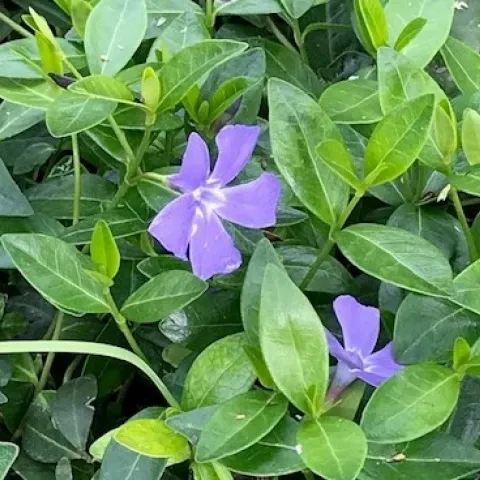
Periwinkle (Vinca major) is an invasive plant in California. It was introduced from Europe in the 1700s for ornamental and medicinal purposes, but it should not be planted in California gardens. (Photo: Cynthia Zimmerman)
Fresno Gardening Green: Article

Some 'garden' plants are actually invasive species

May 22, 2024
"We're not talking about one hungry plant here, we're talking about world conquest." Seymour, Little Shop of Horrors. Most often we think of invasive plants as those that are not indigenous to a region. California claims the greatest amount of natural botanical diversity of any state in the U.S.
View Article
Primary Image
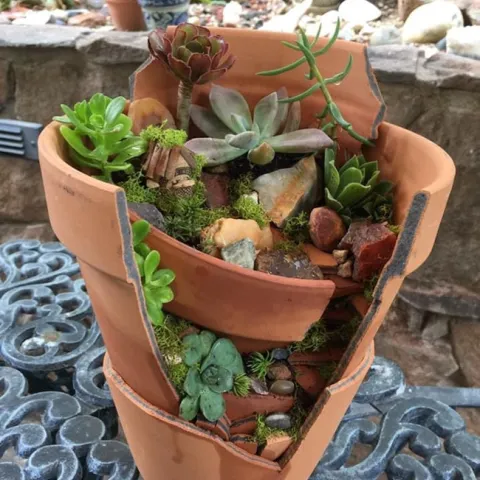
photos by Cindy Yee
Under the Solano Sun: Article

Broken Pot Fairy Garden

May 21, 2024
Having seen many pretty pictures of succulent fairy gardens online, I finally decided to attempt one myself. Armed with a hammer, chisel and old towel, I was ready to start on some Dollar Store Terracotta pots. The klutz in me had said to definitely buy more than one pot.
View Article
Primary Image
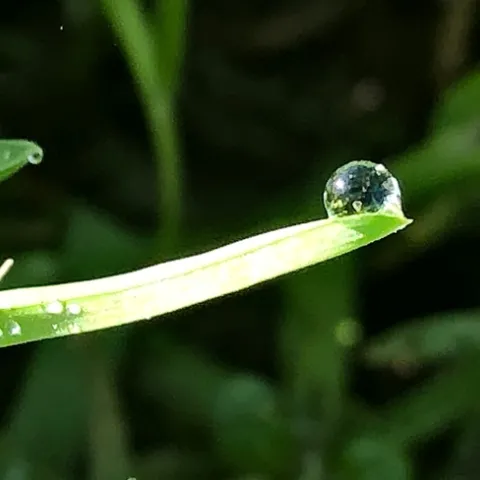
Single water drop resting near the tip of a horizonal blade of grass
The Savvy Sage: Article

A New View of the Morning Dew

May 21, 2024
The next time you are annoyed that your shoes get soaked during an early morning stroll across the yard, take a closer look at what is happening underfoot Because, in the right light, the morning dew is magical! Dew is moisture formed via condensation- water moving from a vapor (gaseous form) to a l...
View Article
Primary Image
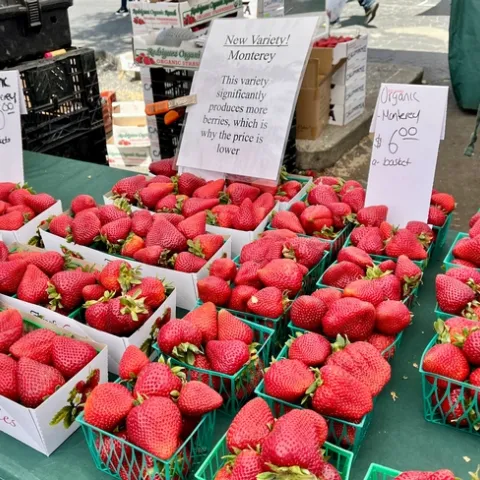
Sign reads: “New Variety! Monterey. This variety significantly produces more berries, which is why the price is lower.” Smaller sign: Organic Monterey $6 a basket.
Food Blog: Article

New UC study estimates costs for growing coastal organic strawberries

May 21, 2024
By Pamela S Kan-Rice
A new study that can help growers and other readers estimate costs and potential returns for Central Coast organic strawberries was recently released by UC Agriculture and Natural Resources, UC Cooperative Extension and the UC Davis Department of Agricultural and Resource Economics.
View Article
Primary Image
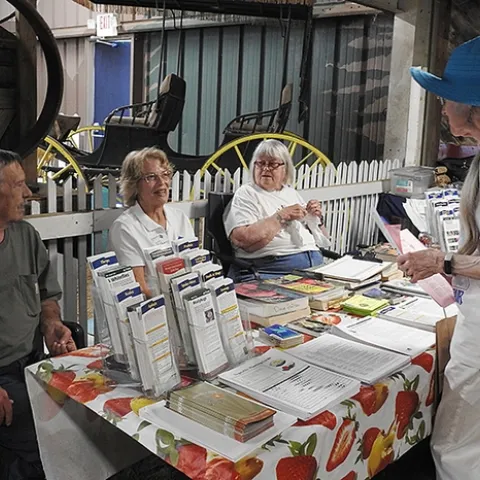
Marilyn Sexton of Fairfield, who plants tomatoes every year, asks a question at the UC Master Gardeners table at the Dixon May Fair. Master Gardeners (from left) are Tom Hutson, Julie Smith, and Betty Buxton. (Photo by Kathy Keatley Garvey)

Enthusiastic Team of UC Master Gardeners at Dixon May Fair

May 21, 2024
By Kathy Keatley Garvey
It wouldn't be a fair without the UC Master Gardeners. If you visited the horticulture building during the Dixon May Fair (the four-day fair traditionally ends on Mother's Day), you probably saw a team of UC Master Gardeners answering questions from fairgoers and handing out literature.
View Article
Kern County: Article

Kern UCCE/DWR Weekly Crop Water Use Report 05-20-2024

May 21, 2024
Please see below link to access "How To Use Weekly Crop Water Use (ET) Reports to Assist Farm Water Management" How to Use Weekly Water Crop Use Report Please see below link to access "Weekly ET Report 05-20-2024" ET Report 05-20-2024 Please see disclaimer link below: University of California Divisi...
View Article
Primary Image
A ship loaded with shipping containers sits in port beneath cranes.
Food Blog: Article

A U.S.-China trade war would cost California farmers

May 21, 2024
By Pamela S Kan-Rice
Loss of China's preferred trade status could hurt crop, dairy and livestock exports The Biden administration recently announced large, increased tariff rates for Chinese electric vehicles, solar cells, semiconductors, and aluminum and steel products.
View Article