A Natural Solution for California's Herds: African Catfish Peptides

California's cattle producers and agricultural communities are all too familiar with the rising challenge of antibiotic resistance, making common bacterial infections harder to treat in livestock. But imagine a future where we could tackle these infections with a natural, powerful alternative. Our research points to just that: antimicrobial peptides (AMPs) found in African catfish.

We're really excited about these peptides because African catfish thrive in pathogen-rich freshwater, naturally producing these robust immune compounds in their skin mucus as a defense. This natural origin makes them highly appealing alternatives to synthetic drugs.

Predicted Safety and Potent Action

One of the most compelling aspects of these AMPs is their predicted safety for mammals. Our initial computer analyses suggest that various catfish AMPs are generally recognized as safe (GRAS). We predict they'll be absorbed in the human intestine without causing liver, brain, or heart toxicity. Furthermore, lab tests on a promising peptide, NACAP-II, confirmed it was non-hemolytic, meaning it didn't damage rabbit red blood cells—a strong indicator of its potential safety for mammalian cells.

Beyond safety, these peptides demonstrate effectiveness against problematic bacteria. One study revealed NACAP-II's strong activity against Extended-Spectrum Beta-Lactamase (ESBL)-producing Escherichia coli—a critical concern for both animal and human health due to its resistance to many common antibiotics. Another peptide, ACAP-IV, also showed antibacterial activity against E. coli and Staphylococcus aureus. We believe these AMPs work by directly disrupting bacterial cell membranes, a mechanism that makes it harder for bacteria to develop resistance compared to how they resist traditional antibiotics.
Primary Image
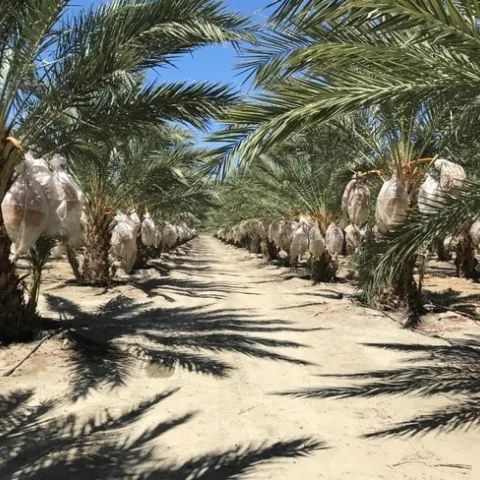
Drip irrigation lines run along the base of date palms. The fruit is bagged on the tree to protect the dates from insects.
Food Blog: Article

AI and sustainable farming focus of May 7 workshop with UC, partners

April 23, 2024
By Pamela S Kan-Rice
On May 7, scientists from University of California, Riverside, UC Agriculture and Natural Resources, Colorado State University Extension, Kansas State University, University of Arizona, Central Arizona Project, and USDA-Agricultural Research Service will gather with growers in Palm Desert to discuss...
View Article
Primary Image
Alfalfa Field Day
Alfalfa & Forage News: Article

Alfalfa/Grains Field Day to be held May 9, 2024

April 23, 2024
By Mark E Lundy
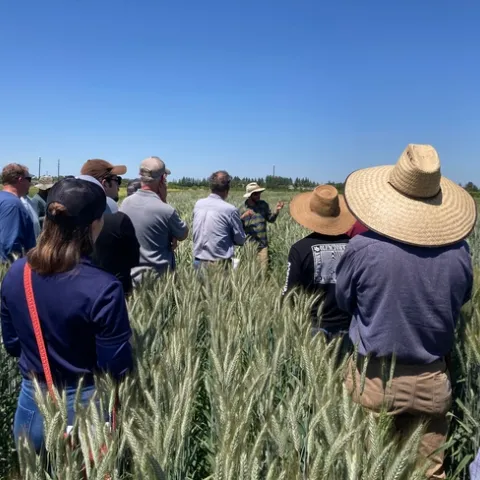
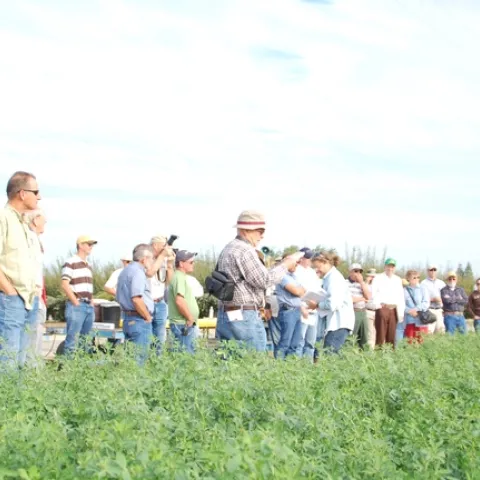
The weather looks great for 9 May, 2024..... Please Join us for a Grains/Alfalfa Field Day at UC Davis, coming up soon. Always a great field trip in the morning!!! Join us for a BBQ lunch sponsored by California Crop Improvement and learn something new about grains and alfalfa.
View Article
Primary Image
photo by Alex Russell
Under the Solano Sun: Article

Growing Potatoes Two Ways in the Home Garden

April 23, 2024
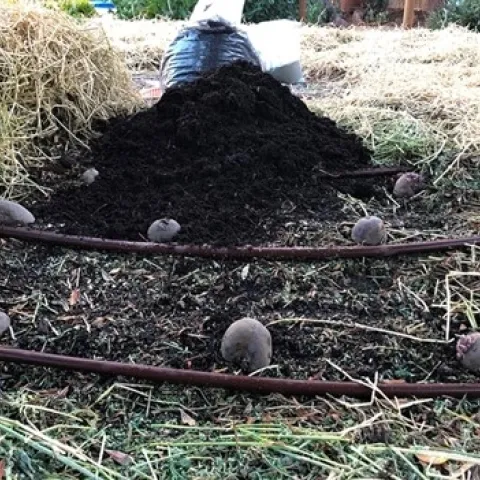
When I first started growing vegetables at home, potatoes seemed like they would be impossible or gross. I didn't like the idea of digging them up and having to wash them endlessly before cooking them. I don't usually peel potatoes I buy from the store, so washing would be extra work.
View Article
Primary Image
IMG 5147
UC Small Grains Blog: Article

May 9th: 2024 UC Davis Small Grains and Alfalfa Field Day

April 22, 2024
By Mark E Lundy
2024 UC Davis Small Grains and Alfalfa Field Day May 9th, 7:30 a.m. 1:30 p.m. Supported by the California Crop Improvement Association (CCIA) REGISTER HERE (no charge for event) Department of Plant Sciences Field Facility, UC Davis (2400 Hutchison Dr, Davis CA 38.5390, -121.
View Article
Kern County: Article

Kern UCCE/DWR Weekly Crop Water Use Report 04-22-2024

April 22, 2024
Please see below link to access "How To Use Weekly Crop Water Use (ET) Reports to Assist Farm Water Management" How to Use Weekly Crop Water Use Report Please see below link to access "Weekly ET Report 04-22-2024" ET Report 04-22-2024 Please see disclaimer link below: University of California Divisi...
View Article
Primary Image
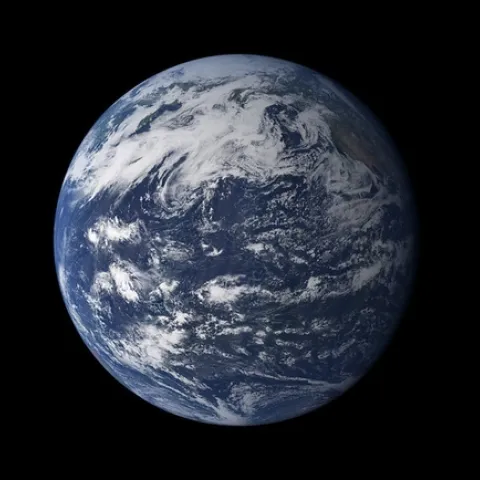
The earth in space.
The Stanislaus Sprout: Article

Being Wise about Water Use in our Gardens

April 22, 2024
By Anne E Schellman
Earth is known as the Blue Planet since from space one can see it is about 71% covered with water. However, about 99% of that water is either ocean salt water or saline water. Less than 1% is freshwater and much of that freshwater is trapped in glaciers or underground where it is inaccessible.
View Article