A Natural Solution for California's Herds: African Catfish Peptides

California's cattle producers and agricultural communities are all too familiar with the rising challenge of antibiotic resistance, making common bacterial infections harder to treat in livestock. But imagine a future where we could tackle these infections with a natural, powerful alternative. Our research points to just that: antimicrobial peptides (AMPs) found in African catfish.

We're really excited about these peptides because African catfish thrive in pathogen-rich freshwater, naturally producing these robust immune compounds in their skin mucus as a defense. This natural origin makes them highly appealing alternatives to synthetic drugs.

Predicted Safety and Potent Action

One of the most compelling aspects of these AMPs is their predicted safety for mammals. Our initial computer analyses suggest that various catfish AMPs are generally recognized as safe (GRAS). We predict they'll be absorbed in the human intestine without causing liver, brain, or heart toxicity. Furthermore, lab tests on a promising peptide, NACAP-II, confirmed it was non-hemolytic, meaning it didn't damage rabbit red blood cells—a strong indicator of its potential safety for mammalian cells.

Beyond safety, these peptides demonstrate effectiveness against problematic bacteria. One study revealed NACAP-II's strong activity against Extended-Spectrum Beta-Lactamase (ESBL)-producing Escherichia coli—a critical concern for both animal and human health due to its resistance to many common antibiotics. Another peptide, ACAP-IV, also showed antibacterial activity against E. coli and Staphylococcus aureus. We believe these AMPs work by directly disrupting bacterial cell membranes, a mechanism that makes it harder for bacteria to develop resistance compared to how they resist traditional antibiotics.
Primary Image
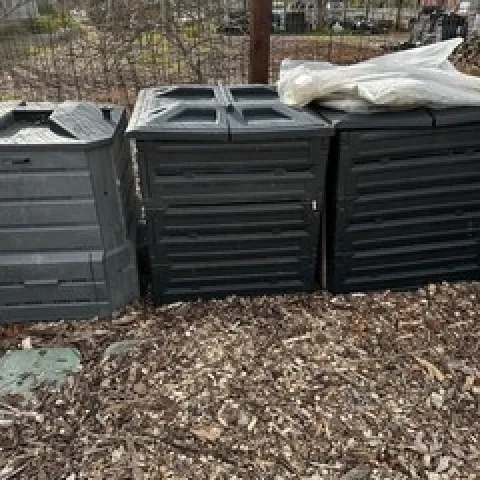
Photo of three compost bins
HOrT COCO-UC Master Gardener Program of Contra Costa: Article

Composting for the Home Gardener

April 22, 2024
By Help Desk Team
We have all heard of this magical stuff called compost. But what is it? Where does it come from? Why is it so important for our gardens? The reason compost is so important is because it enriches our soil, adding important nutrients that are used by plants for growth.
View Article
Primary Image
A yellow-faced bumble bee,Bombus vosnesenskii, buzzes into a barely opened California golden poppy in a Vacaville garden. (Photo by Kathy Keatley Garvey)
Bug Squad: Article

There Is No Planet 'B'

April 22, 2024
By Kathy Keatley Garvey
There is no "Planet B." The Earth is all we have. Today, April 22, is Earth Day (an annual event launched April 22, 1970) and what a perfect occasion to celebrate a native bee and a native wildflower.
View Article
Primary Image
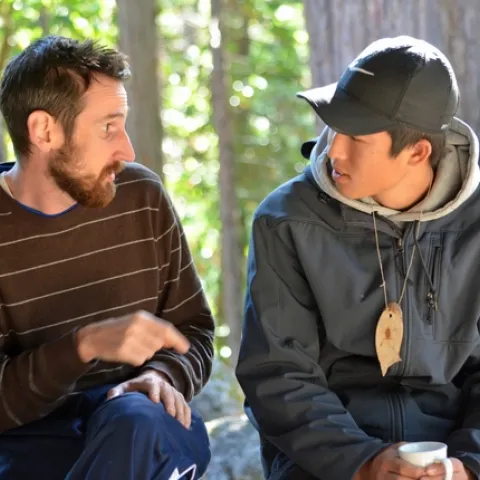
Wild Side 2016 Session I 090 edited small
Sacramento 4-H Blog Page: Article

Cultivating Growth

April 21, 2024
By Marianne Bird
My favorite part of our Sacramento 4-H volunteer orientation comes when we introduce the 4-H Thriving Model (Arnold, 2018). Think back to when you were a child or a teenager, we ask.
View Article
UC Master Gardener Program Statewide Blog: Article

Gardeners with Heart: Sustainable Landscape Stewards

April 21, 2024
By Barbra Braaten
Watch the video on YouTube here As we continue our celebrations of National Volunteer Month, we're excited to spotlight a remarkable group of UC Master Gardeners dedicated to nurturing vibrant habitat gardens, promoting biodiversity, and advocating for sustainable landscaping practices.
View Article
Primary Image
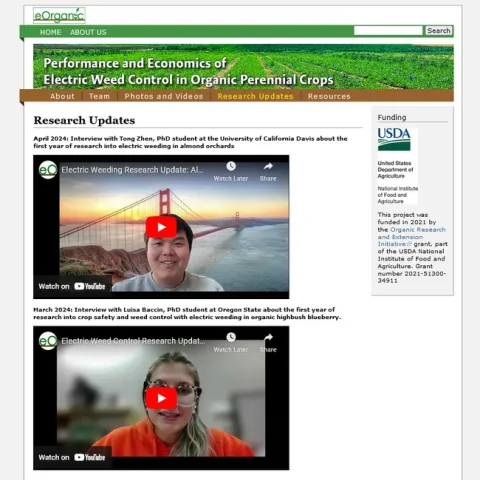
Interviews on electric weeding research
UC Weed Science (weed control, management, ecology, and minutia): Article

Electric weed control research updates

April 21, 2024
By Gale Perez
From the eOrganic and Performance and Economics of Electric Weed Control in Organic Perennial Crops Project: (Click HERE to see the presentations) Electric Weed Control in Orchards Tong Zhen, Ph.D.
View Article
Primary Image
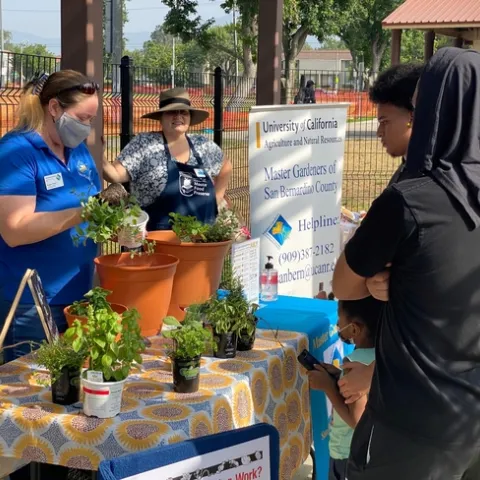
Volunteers
Nuestra Comunidad: Article

The importance of volunteering at UC ANR

April 20, 2024
By Basilisa M Rawleigh
They are considered the backbone of any nonprofit organization. They strongly believe in the objectives of the institution in which they invest their time. Of course, I am talking about volunteersthe special people who are motivated to change the communities where they live.
View Article
UC Master Food Preservers of Tulare County: Article

Homemade Seasoning Mix

April 20, 2024
 Herbs and spices are undoubtedly the unsung heroes of the culinary world, adding a delightful array of flavors and aromas to our food. Incredibly, these preserved foods originate fresh from plants like leaves, stems, seeds, and roots. After harvesting, the herbs and spices are packaged into air-tight…
View Article