A Natural Solution for California's Herds: African Catfish Peptides

California's cattle producers and agricultural communities are all too familiar with the rising challenge of antibiotic resistance, making common bacterial infections harder to treat in livestock. But imagine a future where we could tackle these infections with a natural, powerful alternative. Our research points to just that: antimicrobial peptides (AMPs) found in African catfish.

We're really excited about these peptides because African catfish thrive in pathogen-rich freshwater, naturally producing these robust immune compounds in their skin mucus as a defense. This natural origin makes them highly appealing alternatives to synthetic drugs.

Predicted Safety and Potent Action

One of the most compelling aspects of these AMPs is their predicted safety for mammals. Our initial computer analyses suggest that various catfish AMPs are generally recognized as safe (GRAS). We predict they'll be absorbed in the human intestine without causing liver, brain, or heart toxicity. Furthermore, lab tests on a promising peptide, NACAP-II, confirmed it was non-hemolytic, meaning it didn't damage rabbit red blood cells—a strong indicator of its potential safety for mammalian cells.

Beyond safety, these peptides demonstrate effectiveness against problematic bacteria. One study revealed NACAP-II's strong activity against Extended-Spectrum Beta-Lactamase (ESBL)-producing Escherichia coli—a critical concern for both animal and human health due to its resistance to many common antibiotics. Another peptide, ACAP-IV, also showed antibacterial activity against E. coli and Staphylococcus aureus. We believe these AMPs work by directly disrupting bacterial cell membranes, a mechanism that makes it harder for bacteria to develop resistance compared to how they resist traditional antibiotics.

Primary Image
hands-1838658_1280_Pixabay
Napa Master Gardener Column: Article

Planting in spring, the season of rebirth

April 20, 2024
I find great pleasure in planting and growing perennials. In contrast to annuals, perennials are the vines, bushes, trees, and other plants that come back year after year. Planting in spring, the season of rebirth, is particularly gratifying.
View Article
Tulare County Cooperative Extension: Article

HPAI Information from UC Davis

April 19, 2024
Dear dairy producer and allied industry, Highly Pathogenic Avian Influenza (HPAI) has been recently detected in dairy herds across multiple states, including Texas, Kansas, Michigan, New Mexico, Idaho, Ohio, North Carolina, and South Dakota.
View Article
UCCE in the County of San Luis Obispo: Article

California Rangeland Trust: Conserving Your Legacy

April 19, 2024
Please see attached flyer: Conserving Your Legacy June 5, 2024 8 AM - 1 PM SLO FARM BUREAU OFFICE 4875 Morabito Place, San Luis Obispo, CA 93401 $25 includes lunch from Firestone Grill More Information : Contact Robin Hanson, rhanson@rangelandtrust.
View Article
Primary Image
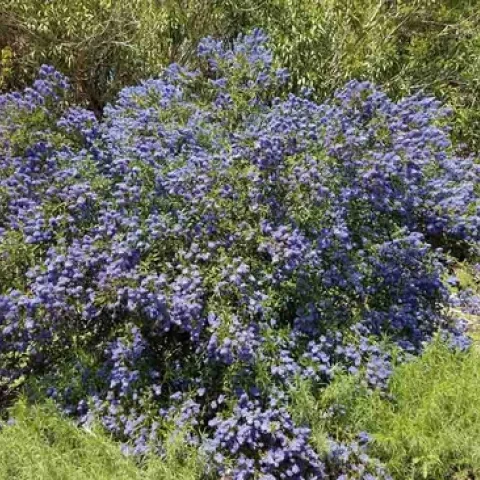
Ceanothus 'Concha' is a good firewise choice. Jeanette Alosi
The Real Dirt: Article

Firewise: Fire Resistant Plants

April 19, 2024
The devastating Camp Fire of 2018, along with the numerous fires North State residents have experienced since then, have led many of us to focus on creating a defensible fire-resistant landscape around our homes.
View Article
San Benito County: Article

San Benito 4-H Newsletter - April

April 18, 2024
Dear 4-H families, We have several events coming up this weekend as well as the rest of the month into May. We have several articles in the newsletter with information on the 4-H program, event and camps. Please see the 4-H county website for all the flyers with more details and registration links.
View Article