A Natural Solution for California's Herds: African Catfish Peptides

California's cattle producers and agricultural communities are all too familiar with the rising challenge of antibiotic resistance, making common bacterial infections harder to treat in livestock. But imagine a future where we could tackle these infections with a natural, powerful alternative. Our research points to just that: antimicrobial peptides (AMPs) found in African catfish.

We're really excited about these peptides because African catfish thrive in pathogen-rich freshwater, naturally producing these robust immune compounds in their skin mucus as a defense. This natural origin makes them highly appealing alternatives to synthetic drugs.

Predicted Safety and Potent Action

One of the most compelling aspects of these AMPs is their predicted safety for mammals. Our initial computer analyses suggest that various catfish AMPs are generally recognized as safe (GRAS). We predict they'll be absorbed in the human intestine without causing liver, brain, or heart toxicity. Furthermore, lab tests on a promising peptide, NACAP-II, confirmed it was non-hemolytic, meaning it didn't damage rabbit red blood cells—a strong indicator of its potential safety for mammalian cells.

Beyond safety, these peptides demonstrate effectiveness against problematic bacteria. One study revealed NACAP-II's strong activity against Extended-Spectrum Beta-Lactamase (ESBL)-producing Escherichia coli—a critical concern for both animal and human health due to its resistance to many common antibiotics. Another peptide, ACAP-IV, also showed antibacterial activity against E. coli and Staphylococcus aureus. We believe these AMPs work by directly disrupting bacterial cell membranes, a mechanism that makes it harder for bacteria to develop resistance compared to how they resist traditional antibiotics.

Primary Image
UC Davis distinguished professor Lynn Kimsey, director of the Bohart Museum of Entomology, holds some of the stocking stuffers available in the Bohart git shop. (Photo by Kathy Keatley Garvey)
Bug Squad: Article

There's a Bed Bug in My Christmas Stocking!

December 18, 2023
By Kathy Keatley Garvey
'Twas the night before Christmas, when all through the house Not a creature was stirring, not even a mouse. The stockings were hung by the chimney with care, In hopes that St. Nicholas soon would be there.
View Article
Primary Image
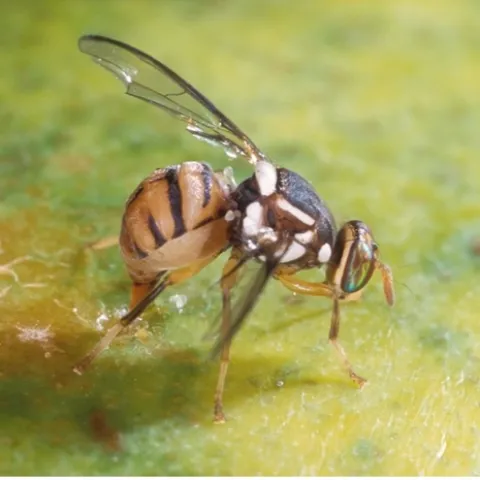
A fruit fly laying eggs into a green mango fruit.
Pests in the Urban Landscape: Article

Invasive Pest Spotlight: Oriental Fruit Fly

December 18, 2023
By Belinda Messenger-Sikes
The invasive pest spotlight focuses on emerging or potential invasive pests in California. In this issue we are covering the Oriental fruit fly. The Oriental fruit fly (OFF) is an invasive pest that attacks over 230 crops including citrus and other fruits, nuts, vegetables, and berries.
View Article
Primary Image
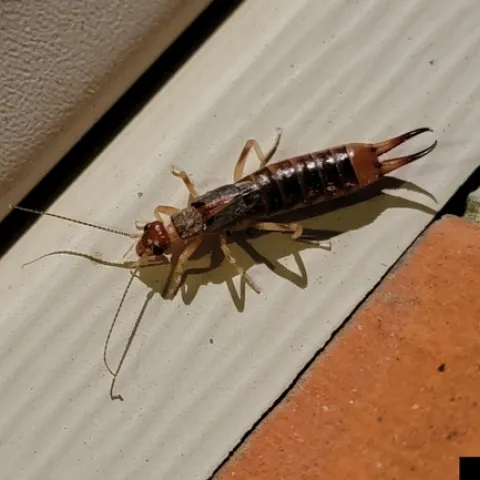
Earwig on the threshold of an exterior door.
Pests in the Urban Landscape: Article

Winter Invaders!

December 18, 2023
By Belinda Messenger-Sikes
During the holiday season, the only creatures you want stirring in your home are your family, friends, and pets. But as temperatures drop, and the rain returns, some pests may seek shelter indoors with you.
View Article
Nutrition Policy Institute News: Article

NPI's director of community health Suzanne Rauzon retires

December 18, 2023
By Danielle Lee, Lorrene D Ritchie
Suzanne Rauzon, director of community health for the Nutrition Policy Institute, will retire in January 2024. Rauzon's University of California career began over twenty years ago when she joined the UC Berkeley Center for Weight and Health, which joined NPI in 2015.
View Article
Tulare County Cooperative Extension: Article

December 2023 - Special Edition

December 18, 2023
Horn Removal Options - Opciones de descorne Calves scour - Diarrea en terneros Udder Prep Towels - Toallas de pao para preparacin Calf Pneumonia - Neumonia en terneros...
View Article
Primary Image
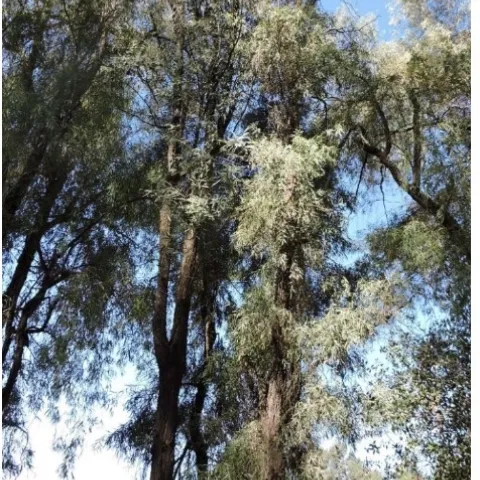
narrow leaf ironbark eucalyptus
Topics in Subtropics: Article

Looking for a Windbreak Tree?

December 18, 2023
By Ben A Faber
Maybe eucalyptus? So you thought there were only three species of eucalyptus? Well there are a lot more and they all grow differently. Here's an interesting study evaluating their performance in the Central Valley which probably has value along coastal Southern California, as well. https://www.nrcs.
View Article
Primary Image
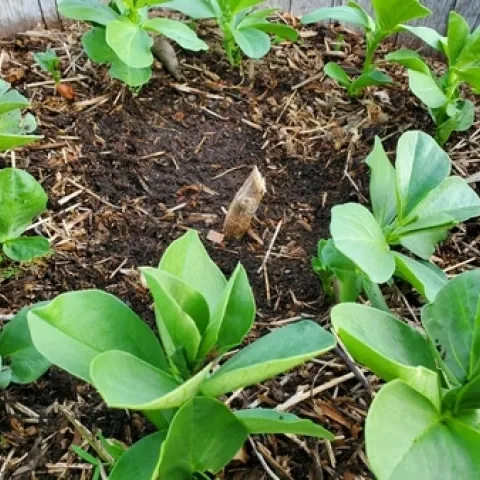
Photo of plant cut off 3 inches above the ground level.
HOrT COCO-UC Master Gardener Program of Contra Costa: Article

Leave Those Roots!

December 18, 2023
By Help Desk Team
At the end of the gardening season, there is an instinct to uproot spent plants and clear the soil for a fresh start, whether it be for a cover crop, a winter vegetable crop, or next year's summer crops.
View Article
Primary Image
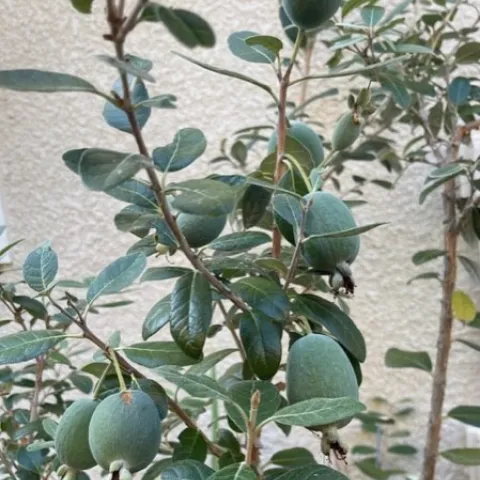
photo by Cindy Yee
Under the Solano Sun: Article

Pineapple Guava

December 18, 2023
We love to eat Acca sellowiana formerly Feijoa sellowiana aka pineapple guava. But growing it has been hit and miss, because in each case, we did not plant it in the correct spot.
View Article