A Natural Solution for California's Herds: African Catfish Peptides

California's cattle producers and agricultural communities are all too familiar with the rising challenge of antibiotic resistance, making common bacterial infections harder to treat in livestock. But imagine a future where we could tackle these infections with a natural, powerful alternative. Our research points to just that: antimicrobial peptides (AMPs) found in African catfish.

We're really excited about these peptides because African catfish thrive in pathogen-rich freshwater, naturally producing these robust immune compounds in their skin mucus as a defense. This natural origin makes them highly appealing alternatives to synthetic drugs.

Predicted Safety and Potent Action

One of the most compelling aspects of these AMPs is their predicted safety for mammals. Our initial computer analyses suggest that various catfish AMPs are generally recognized as safe (GRAS). We predict they'll be absorbed in the human intestine without causing liver, brain, or heart toxicity. Furthermore, lab tests on a promising peptide, NACAP-II, confirmed it was non-hemolytic, meaning it didn't damage rabbit red blood cells—a strong indicator of its potential safety for mammalian cells.

Beyond safety, these peptides demonstrate effectiveness against problematic bacteria. One study revealed NACAP-II's strong activity against Extended-Spectrum Beta-Lactamase (ESBL)-producing Escherichia coli—a critical concern for both animal and human health due to its resistance to many common antibiotics. Another peptide, ACAP-IV, also showed antibacterial activity against E. coli and Staphylococcus aureus. We believe these AMPs work by directly disrupting bacterial cell membranes, a mechanism that makes it harder for bacteria to develop resistance compared to how they resist traditional antibiotics.

Primary Image
oranges-fruits-orange-tree-citrus-fruits pisquels
The Stanislaus Sprout: Article

Top 5 Answers to Questions Asked About Orange Trees

December 15, 2023
By Anne E Schellman
Our UC Master Gardener Help Line often receives calls about citrus. Here are five commonly asked questions about how to care for this juicy, delicious fruit tree. Why are the leaves on my orange tree turning yellow? It's common for citrus tree leaves to turn yellow in winter*.
View Article
Primary Image
IMG 0949
Salinas Valley Agriculture: Article

Introducing Ag Technology Advisor, Paramveer Singh (Param)

December 15, 2023
By Paramveer Singh
Hello everyone! I'm the new Ag Technology Advisor serving Monterey, Santa Cruz, San Benito, and San Luis Obispo. My focus is on harnessing technology to tackle the unique agricultural challenges we face.
View Article
Primary Image
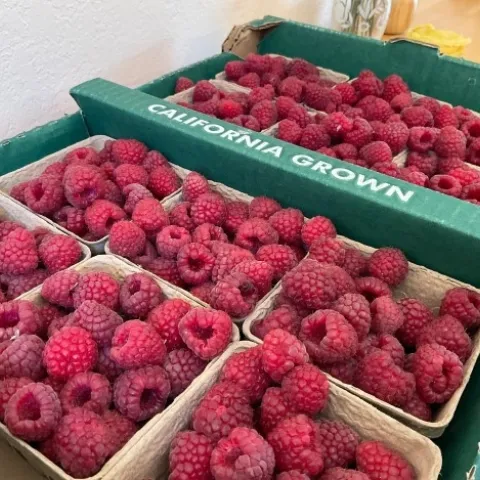
Multiple baskets of raspberries in bulk box
Master Food Preserver SLO/SB Counties: Article

Raspberry Richness

December 15, 2023
Lately, I've been experimenting with making jam the old fashioned way, which means a long cooking time and no added pectin. I'm finding that the fruit's flavor is much more concentrated and the jam has an extra layer of richness that I don't taste from jams made with added pectin.
View Article
Primary Image
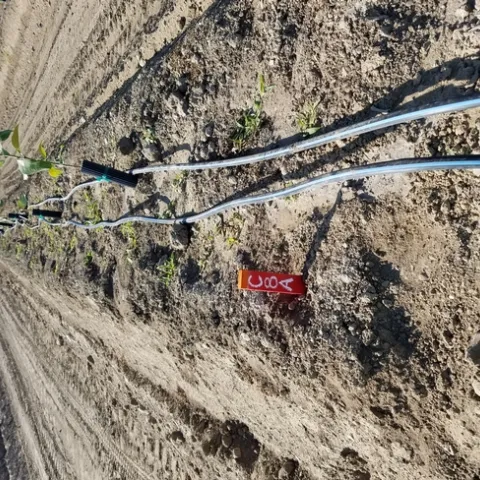
irrigation with double lines
Topics in Subtropics: Article

Make Your Irrigation Effective!!!!

December 15, 2023
By Ben A Faber
SWEEP 2023 opening soon! The State Water Efficiency Enhancement Program READ ALL ABOUT IT https://www.cdfa.ca.gov/oefi/sweep/ Get your paperwork ready! SWEEP 2023 will release $23 million in funding this round, looking to open by the end of this year.
View Article
Primary Image
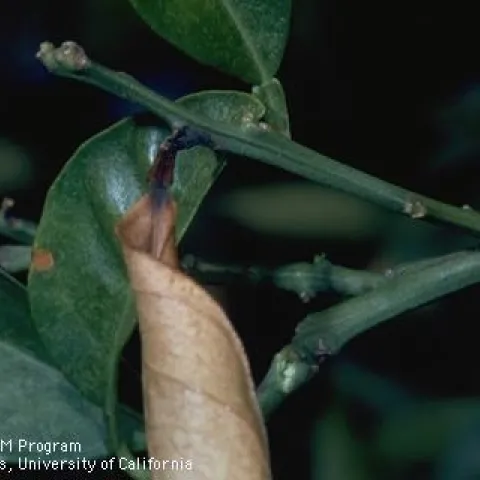
A curled, dried leaf with a black lesion on the petiole are symptoms of citrus blast caused by Pseudomonas syringae. UC IPM Program
The Real Dirt: Article

Citrus Blast

December 15, 2023
Cold, windy, rainy weather provides ideal conditions for the development of Citrus blast, a disease that affects many varieties of citrus grown in Butte County, including oranges, grapefruits, lemons and mandarins.
View Article
ANR Employee News: Article

Communications Advisory Board seeks new members

December 14, 2023
By Pamela S Kan-Rice
UC ANR's advisory board to the Publishing, Information Technology, and Strategic Communications units is accepting nominations for Communications Advisory Board members.
View Article
Primary Image
A monarch caterpillar, the result of fall breeding in Vacaville, Calif. (Photo by Kathy Keatley Garvey)
Bug Squad: Article

Roll Call: Answer If You're Here

December 14, 2023
By Kathy Keatley Garvey
Roll call of monarch caterpillars today in a milkweed bed in a Vacaville pollinator garden. Secretary: "Caterpillar No. 1!" "Present." Secretary: "Caterpillar No. 2!" "Present!" Secretary: "Caterpillar No. 3!" "Present!" Secretary: "Caterpillar No. 4!" "Here!" Secretary: "Caterpillar No.
View Article