A Natural Solution for California's Herds: African Catfish Peptides

California's cattle producers and agricultural communities are all too familiar with the rising challenge of antibiotic resistance, making common bacterial infections harder to treat in livestock. But imagine a future where we could tackle these infections with a natural, powerful alternative. Our research points to just that: antimicrobial peptides (AMPs) found in African catfish.

We're really excited about these peptides because African catfish thrive in pathogen-rich freshwater, naturally producing these robust immune compounds in their skin mucus as a defense. This natural origin makes them highly appealing alternatives to synthetic drugs.

Predicted Safety and Potent Action

One of the most compelling aspects of these AMPs is their predicted safety for mammals. Our initial computer analyses suggest that various catfish AMPs are generally recognized as safe (GRAS). We predict they'll be absorbed in the human intestine without causing liver, brain, or heart toxicity. Furthermore, lab tests on a promising peptide, NACAP-II, confirmed it was non-hemolytic, meaning it didn't damage rabbit red blood cells—a strong indicator of its potential safety for mammalian cells.

Beyond safety, these peptides demonstrate effectiveness against problematic bacteria. One study revealed NACAP-II's strong activity against Extended-Spectrum Beta-Lactamase (ESBL)-producing Escherichia coli—a critical concern for both animal and human health due to its resistance to many common antibiotics. Another peptide, ACAP-IV, also showed antibacterial activity against E. coli and Staphylococcus aureus. We believe these AMPs work by directly disrupting bacterial cell membranes, a mechanism that makes it harder for bacteria to develop resistance compared to how they resist traditional antibiotics.
Primary Image
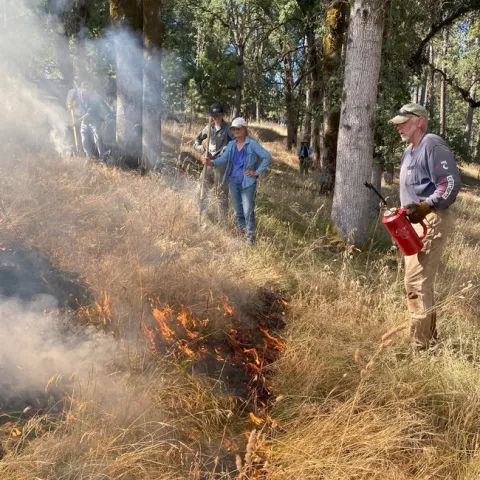
Lighting a prescribed fire to control barb goatgrass
Ranching in the Sierra Foothills: Article

Rancher's Fire Academy

December 14, 2023
By Daniel K Macon
There's still time to register for our first-ever Sierra Foothills Rancher's Fire Academy! We'll be covering topics like using prescribed fire to control rangeland weeds, planning your own prescribed fire, fire tool basics, ranching hardening, and managing livestock during wildfire.
View Article
Primary Image
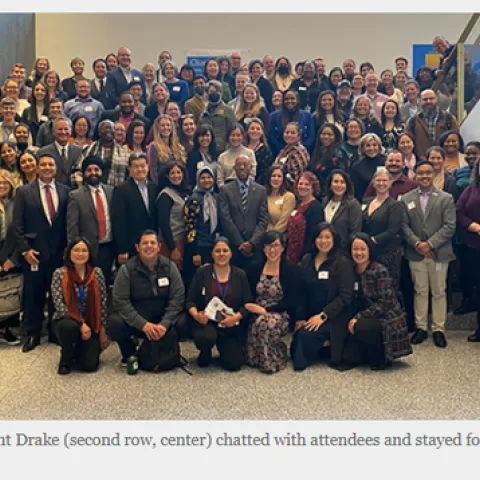
Photo of almost all 100 Attendees of the UCOP EDI Conference with President Drake.
Together@Work: Article

Passion. Insight. Community.

December 14, 2023
By Elizabeth A Moon
Passion. Insight. Community: These three words defined our experience at the inaugural UCOP EDI Conference on December 5.
View Article
Primary Image
Ginkgo. photos by Karen Metz
Under the Solano Sun: Article

Autumn in the Washington D.C. Area

December 14, 2023
In November, my husband and I were able to travel to the Washington, DC area to visit family and friends. I was immediately struck by the number of trees. They were hard to miss since they were in their full fall display.
View Article
Primary Image
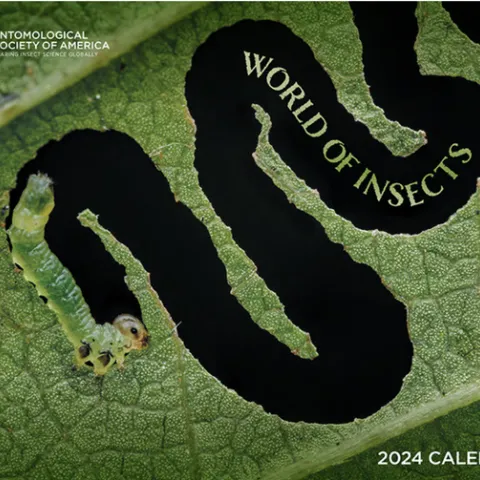
This image of the larva of an elm zigzag fly appears on the cover of the 2024 Entomological Society of America calendar. (Photo by Christian Brockes of Germany)
Bug Squad: Article

Inside the 'World of Insects' Calendar

December 13, 2023
By Kathy Keatley Garvey
If you like insects, macro photography, and cool calendars, you'll want to order the "World of Insects" calendar, published by the Entomological Society of America. You'll see insects you've never seen before--and learn a little about them.
View Article
Primary Image
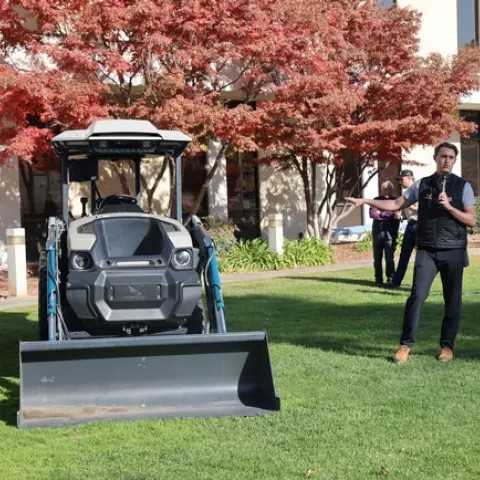
Standing on a lawn, a man gestures toward a piece of machinery.
ANR Employee News: Article

F3 celebrates first year of impact at All Gears meeting

December 13, 2023
By Pamela S Kan-Rice
The Farms, Food, Future Initiative celebrated its first anniversary with an All Gears meeting on Dec. 5 at Fresno State University. This meeting was not just a commemoration, but a forward-looking forum, addressing the vital components of agrifood technology and workforce development.
View Article