A Natural Solution for California's Herds: African Catfish Peptides

California's cattle producers and agricultural communities are all too familiar with the rising challenge of antibiotic resistance, making common bacterial infections harder to treat in livestock. But imagine a future where we could tackle these infections with a natural, powerful alternative. Our research points to just that: antimicrobial peptides (AMPs) found in African catfish.

We're really excited about these peptides because African catfish thrive in pathogen-rich freshwater, naturally producing these robust immune compounds in their skin mucus as a defense. This natural origin makes them highly appealing alternatives to synthetic drugs.

Predicted Safety and Potent Action

One of the most compelling aspects of these AMPs is their predicted safety for mammals. Our initial computer analyses suggest that various catfish AMPs are generally recognized as safe (GRAS). We predict they'll be absorbed in the human intestine without causing liver, brain, or heart toxicity. Furthermore, lab tests on a promising peptide, NACAP-II, confirmed it was non-hemolytic, meaning it didn't damage rabbit red blood cells—a strong indicator of its potential safety for mammalian cells.

Beyond safety, these peptides demonstrate effectiveness against problematic bacteria. One study revealed NACAP-II's strong activity against Extended-Spectrum Beta-Lactamase (ESBL)-producing Escherichia coli—a critical concern for both animal and human health due to its resistance to many common antibiotics. Another peptide, ACAP-IV, also showed antibacterial activity against E. coli and Staphylococcus aureus. We believe these AMPs work by directly disrupting bacterial cell membranes, a mechanism that makes it harder for bacteria to develop resistance compared to how they resist traditional antibiotics.


Primary Image
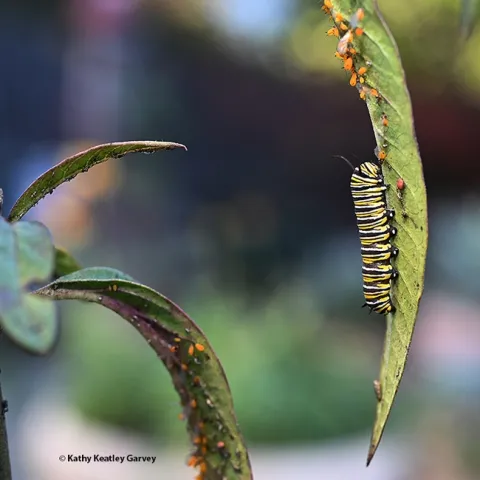
A monarch caterpillar sharing a milkweed leaf with oleander aphids on Dec. 8, 2023 in a Vacaville garden. (Photo by Kathy Keatley Garvey)
Bug Squad: Article

Monarch 'Cats Sleeping with the Aphids

December 8, 2023
By Kathy Keatley Garvey
Sleeping with the aphids...that's what this monarch caterpillar was doing. It lived--and quite hidden at that--through the freezing cold, the rain, and the wind. It surfaced today on a milkweed in our Vacaville pollinator garden.
View Article
Livestock, Range and Natural Resources: Article

Verano 2022

December 8, 2023
En este nmero: Grabaciones y recursos virtuales Encuesta sobre la mastitis ovina Eventos que vienen...
View Article
Primary Image
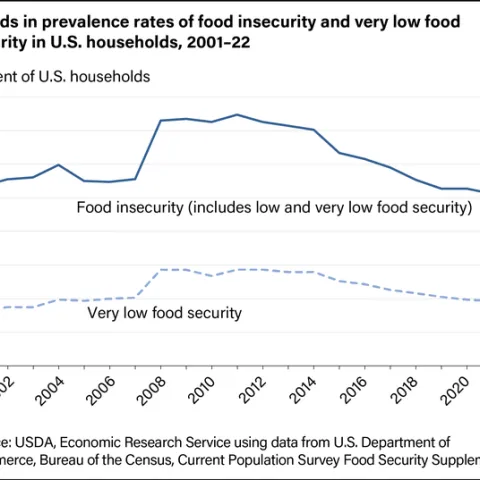
Chart of food insecurity from the USDA Economic Research Service
Healthy Youth, Families, and Communities: Article

Hunger and food insecurity is rising: COVID-19 taught us a lot about how to fix it

December 8, 2023
By Shannon Klisch
In the last 12 months, have you ever: worried that your food would run out before you got money to buy more? been unable to afford balanced meals? cut the size of your meals or skipped meals because there wasn't enough money for food? lost weight because there wasn't enough money for food?
View Article
Primary Image
sanitation survey QR UCD

Equipment sanitation survey (broomrape and other pests/pathogens)

December 8, 2023
By Brad Hanson
A group of crop pest management and food safety researchers across the U.S. is currently gathering grower and ag industry information on field equipment sanitation practices with the ultimate goal of designing research to address needs of the agricultural industry and consumers.
View Article
Primary Image
Cierre de invierno 2023
Avisos a empleados: Article

Cierre de invierno del 25 de diciembre hasta el 2 de enero de 2024

December 8, 2023
By Ricardo A Vela
Al igual que en aos anteriores, las unidades de UC ANR, incluidos los centros de investigacin y extensin, las oficinas del condado de UCCE, el edificio Second Street en Davis y el edificio UCOP Franklin en Oakland, estarn cerradas desde el 25 de diciembre de 2023 hasta el 2 de enero de 2024, excepto...
View Article