A Natural Solution for California's Herds: African Catfish Peptides

California's cattle producers and agricultural communities are all too familiar with the rising challenge of antibiotic resistance, making common bacterial infections harder to treat in livestock. But imagine a future where we could tackle these infections with a natural, powerful alternative. Our research points to just that: antimicrobial peptides (AMPs) found in African catfish.

We're really excited about these peptides because African catfish thrive in pathogen-rich freshwater, naturally producing these robust immune compounds in their skin mucus as a defense. This natural origin makes them highly appealing alternatives to synthetic drugs.

Predicted Safety and Potent Action

One of the most compelling aspects of these AMPs is their predicted safety for mammals. Our initial computer analyses suggest that various catfish AMPs are generally recognized as safe (GRAS). We predict they'll be absorbed in the human intestine without causing liver, brain, or heart toxicity. Furthermore, lab tests on a promising peptide, NACAP-II, confirmed it was non-hemolytic, meaning it didn't damage rabbit red blood cells—a strong indicator of its potential safety for mammalian cells.

Beyond safety, these peptides demonstrate effectiveness against problematic bacteria. One study revealed NACAP-II's strong activity against Extended-Spectrum Beta-Lactamase (ESBL)-producing Escherichia coli—a critical concern for both animal and human health due to its resistance to many common antibiotics. Another peptide, ACAP-IV, also showed antibacterial activity against E. coli and Staphylococcus aureus. We believe these AMPs work by directly disrupting bacterial cell membranes, a mechanism that makes it harder for bacteria to develop resistance compared to how they resist traditional antibiotics.
ANR Contracts & Grants Updates: Article

Three USDA NIFA Funding Opportunities

December 8, 2023
By Kathleen P Nolan
Dear Colleagues, USDA NIFA is soliciting proposals for the Secondary Education, Two-Year Postsecondary Education, and Agriculture in the K-12 Classroom Challenge Grants Program, the Smith-Lever Special Needs Competitive Grants Program, and the Food Safety Outreach Program.
View Article
UC Cooperative Extension Imperial County: Article

December 2023

December 8, 2023
CARROTS RESPONSE TO IRRIGATION AND NITROGEN MANAGEMENT STRATEGIES 34th ANNUAL UCCE FALL DESERT CROPS WORKSHOP REPORT GRANT WORKSHOP: STATE WATER EFFICIENCY & ENHANCEMENT PROGRAM IMPERIAL VALLEY CIMIS REPORT AND UC WATER MANAGEMENT RESOURCES...
View Article
Article

Kuali Financial System update for week of Dec 10-15

December 8, 2023
By Pamela S Kan-Rice
For personnel who work with requisitions/purchase orders, invoices, check requests, deposits, expense reimbursements, and the UCPath HR and payroll system, below are upcoming system cutoff dates as well as resources for the new Aggie Enterprise system.
View Article
Primary Image
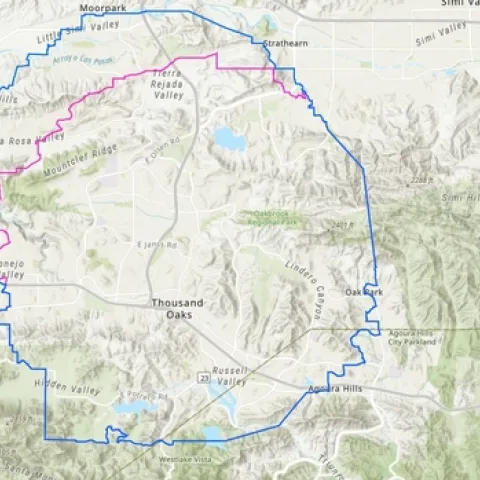
QFF map dec 6, 2023
Topics in Subtropics: Article

90 Square Miles Quarantined

December 8, 2023
By Ben A Faber
An agricultural quarantine in Ventura County, due to the discovery of a potentially destructive insect pests, has been expanded. The quarantine was declared in parts of Ventura County in October following the discovery of two Queensland Fruit Flies (QFF). The flies are native to Australia.
View Article
Primary Image
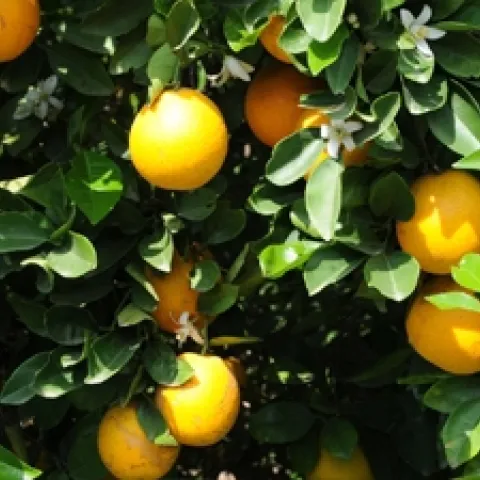
December is the time to begin enjoying your home-grown citrus. (Photo: USDA)
Fresno Gardening Green: Article

This week in the garden: Dec. 8 - 14

December 8, 2023
Walk through the garden and make notes for spring and summer changes and additions. Enjoy the quiet of the winter garden. Feed the birds, and other wildlife.
View Article
UCCE Siskiyou: Article

December 2023

December 8, 2023
Upcoming Events Returning Volunteer Deadline Mid Year Treasurer Review Leaders Council Meeting County Presentation Date Regional Presentation Date...
View Article
Primary Image
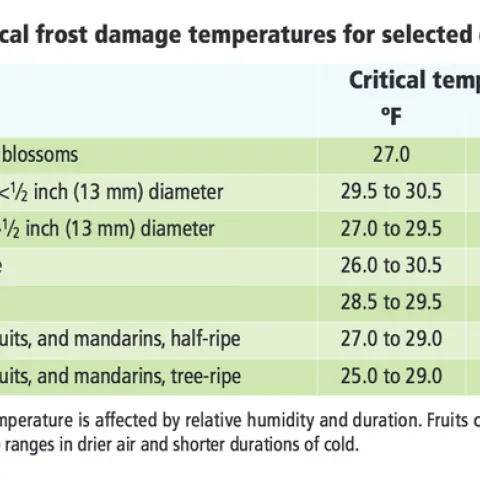
Frost damage temperatures for selected citrus. UC ANR
The Real Dirt: Article

Frost Protection for Sensitive Plants

December 8, 2023
Winter has finally arrived in the north state! Winter temperatures can pose a threat to the fruit and foliage of citrus, as well as other succulents, tender perennials, tropical and subtropical plants. The most common type of frost in California is referred to as radiation frost.
View Article
Primary Image
The Authentic Garden
Under the Solano Sun: Article

The Authentic Garden

December 8, 2023
If you were fortunate enough to attend the free Zoom lecture of Clair Saywers, presented by the American Horticulture Society, you would have been inspired by her depth of knowledge, experience and passion for her lifelong study and practice of horticulture.
View Article