A Natural Solution for California's Herds: African Catfish Peptides

California's cattle producers and agricultural communities are all too familiar with the rising challenge of antibiotic resistance, making common bacterial infections harder to treat in livestock. But imagine a future where we could tackle these infections with a natural, powerful alternative. Our research points to just that: antimicrobial peptides (AMPs) found in African catfish.

We're really excited about these peptides because African catfish thrive in pathogen-rich freshwater, naturally producing these robust immune compounds in their skin mucus as a defense. This natural origin makes them highly appealing alternatives to synthetic drugs.

Predicted Safety and Potent Action

One of the most compelling aspects of these AMPs is their predicted safety for mammals. Our initial computer analyses suggest that various catfish AMPs are generally recognized as safe (GRAS). We predict they'll be absorbed in the human intestine without causing liver, brain, or heart toxicity. Furthermore, lab tests on a promising peptide, NACAP-II, confirmed it was non-hemolytic, meaning it didn't damage rabbit red blood cells—a strong indicator of its potential safety for mammalian cells.

Beyond safety, these peptides demonstrate effectiveness against problematic bacteria. One study revealed NACAP-II's strong activity against Extended-Spectrum Beta-Lactamase (ESBL)-producing Escherichia coli—a critical concern for both animal and human health due to its resistance to many common antibiotics. Another peptide, ACAP-IV, also showed antibacterial activity against E. coli and Staphylococcus aureus. We believe these AMPs work by directly disrupting bacterial cell membranes, a mechanism that makes it harder for bacteria to develop resistance compared to how they resist traditional antibiotics.

Livestock, Range and Natural Resources: Article

Primavera 2022

December 6, 2023
En este nmero: Reglas de desva de agua Campamento sobre pastizales y recursos naturales Seminarios para propiedades pequeas Forraje y Sequa...
View Article
Primary Image
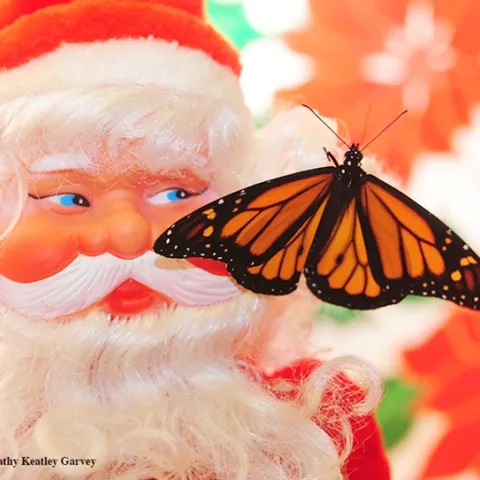
Does Santa shop at the Bohart? Yes, he does. Items in the gift shop include monarch pins. (Photo by Kathy Keatley Garvey)
Bug Squad: Article

Santa Shops at the Bohart!

December 6, 2023
By Kathy Keatley Garvey
News flash: Santa shops at the Bohart Museum of Entomology gift shop at UC Davis. Yes, he does.
View Article
Primary Image
Open sign
Climate Smart Agriculture: Article

CDFA’s 2023 SWEEP Incentive Grant is Open!

December 6, 2023
By Heather Montgomery
New Update! CDFA has opened the SWEEP application as of December 5th, 2023. SWEEP applications are open until January 26th, 2024. Funding will be announced and awarded February 2024.
View Article
Tulare County Cooperative Extension: Article

Celebrating 75 years of VMTRC

December 6, 2023
Celebrate with us at VMTRC! Join us to honor the 75th anniversary of UC Davis Veterinary Medicine and 40th of VMTRC. Enjoy a social hour, lunch, and tour at our Tulare location. Date: December 7th, 2023 Time: 11 a.m.
View Article
Tulare County Cooperative Extension: Article

75th Celebration Reminder

December 6, 2023
Celebrate with us at VMTRC! Join us to honor the 75th anniversary of UC Davis Veterinary Medicine and 40th of VMTRC. Enjoy a social hour, lunch, and tour at our Tulare location. Date: December 7th, 2023 Time: 11 a.m.
View Article
Livestock, Range and Natural Resources: Article

Invierno 2022

December 6, 2023
En este nmero: Intoxicacin por Hongos Municiones sin Plomo Taller de Compostaje de Cadveres de Ganado...
View Article
Primary Image
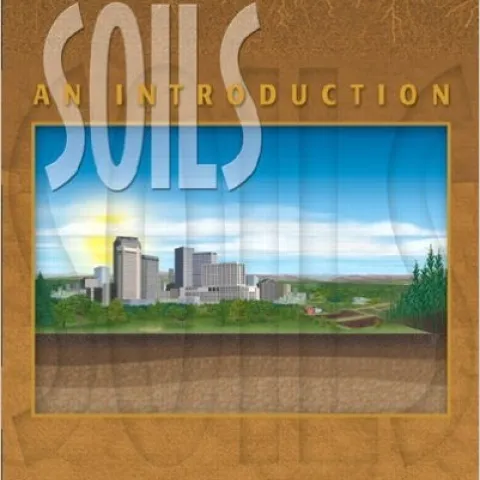
soils
Topics in Subtropics: Article

Know Your Dirt

December 6, 2023
By Ben A Faber
I am frequently asked if I can recommend a book on Soils. And yes, I can. It is Soils: An Introduction by Michael Singer and Donald Munns. The sixth edition recently came out so there's a lot of older used copies floating around on the wed for under $10.
View Article